
puppy teething stick beef flavor sounds simple, but if you’ve watched a pup shred a “long-lasting” chew in five minutes (or ignore it completely), you know the label doesn’t tell the whole story.
Teething is a real daily pain point: sore gums, mouthy behavior, and a puppy that suddenly wants to chew table legs instead of toys. The right chew can buy you calm time, protect your hands, and give your pup a safe outlet, but the wrong one can turn into a choking risk or an upset stomach.

This guide breaks down what “long lasting” usually means in real homes, how to pick a chew that matches your puppy’s age and bite strength, and how to use teething sticks safely without turning snack time into a vet visit.
Why puppies chew so much (and why beef flavor often helps)
Puppy chewing isn’t “bad behavior” so much as a mix of biology and curiosity. During teething, gums feel tender, and pressure from chewing may help soothe discomfort.
Beef flavor tends to work because scent drives interest. Many puppies engage faster with an animal-protein smell than a plain rubber toy, especially when they’re tired, cranky, and looking for something rewarding.
- Gum relief: consistent chewing pressure can be calming.
- Exploration: puppies learn with their mouths, and textures matter.
- Reinforcement: a tasty chew competes with furniture and shoes.
According to the American Veterinary Medical Association (AVMA)... chewing is a normal canine behavior, and providing appropriate chew items can help prevent destructive chewing in the home.
What “long lasting” really means for a puppy teething stick
“Long lasting” is relative. A light chewer might work on the same stick for days, a power chewer might reduce it quickly, and many pups fall somewhere in between. Your goal is not “indestructible,” it’s “durable enough to be useful, without becoming dangerous.”
When brands say a chew lasts, they usually mean it resists crumbling and softens slowly with saliva. In practice, longevity depends on:
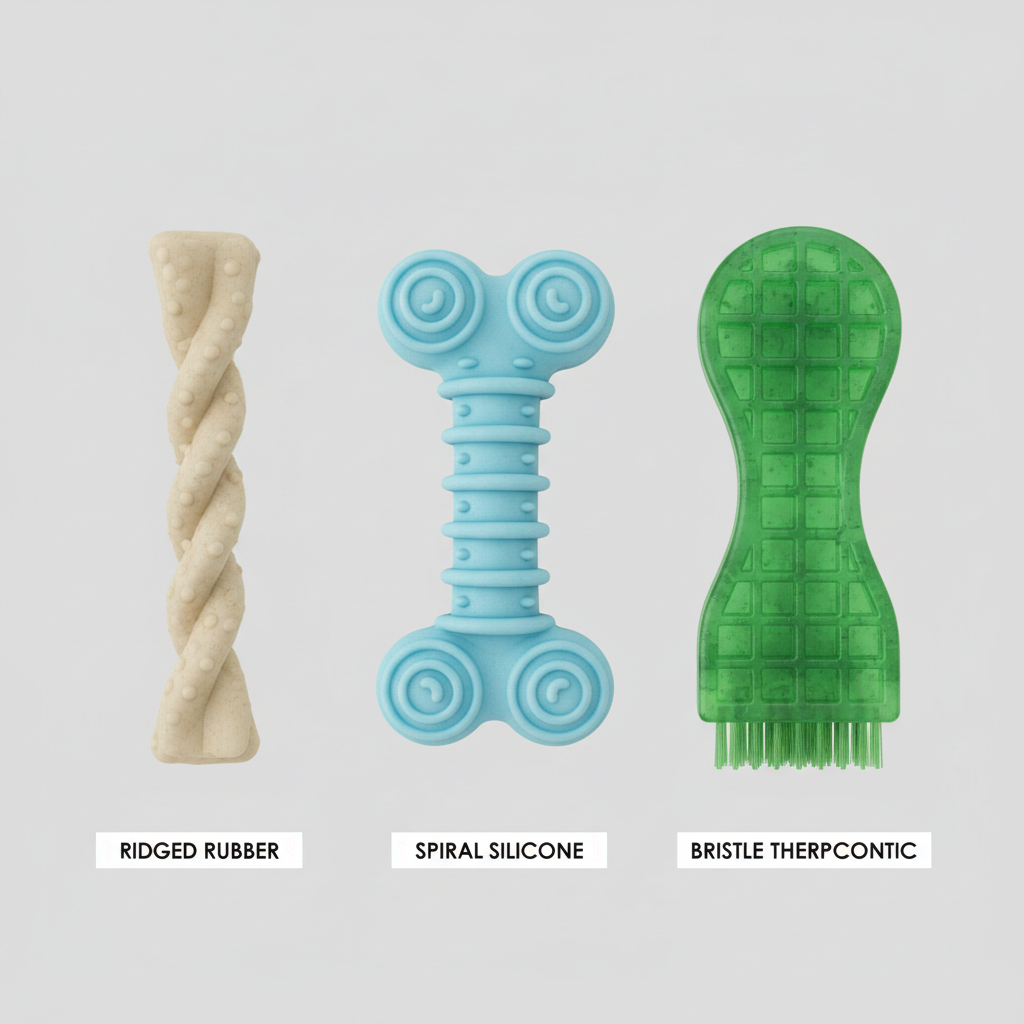
- Density and shape: thicker, smoother shapes often last longer than thin ridged sticks that splinter.
- Puppy jaw style: some pups gnaw, others scissor-bite and snap pieces.
- Time of day: many puppies chew harder when overtired.
- How you offer it: short supervised sessions often stretch a chew’s life.
If your puppy finishes a chew too fast, it doesn’t automatically mean it’s “bad.” It may just be the wrong hardness or size for that pup right now.
Quick self-check: is your puppy a good candidate for a beef-flavored teething stick?
Before you buy a bulk box, it helps to be honest about your puppy’s chewing style and digestion. Use this as a quick filter.
- Age range: teething is most intense in early puppy months, but many pups keep chewing habits afterward.
- Chew style: gnawers do well with sticks, snap-and-swallow pups need extra caution and possibly different formats.
- Stomach sensitivity: if new treats often cause soft stool, introduce chews slowly.
- Food allergies: beef may not fit every dog; itching or recurring ear issues can be a sign to ask your vet.
- Supervision: if you can’t watch, choose safer alternatives (like stuffed rubber toys) instead of edible sticks.
According to the American Kennel Club (AKC)... supervision is important with chews, and you should remove chew items that can be swallowed in large pieces.
How to choose the right beef-flavored teething stick (size, texture, ingredients)
The best choice is usually the chew your puppy can work on steadily without breaking off big chunks. That means sizing up more often than people expect.
1) Size and shape: bigger is often safer
Pick a stick long enough that your pup can grip it with paws without the whole thing disappearing into the mouth. For many puppies, a slightly larger chew reduces gulping behavior.
2) Texture: “busy” but not brittle
Ridges and nubs can keep interest high, but if the chew crumbles into sharp shards, it’s not a win. For teething, many owners prefer a chew that softens as it’s worked rather than one that cracks.
3) Ingredient list: keep it simple when possible
For a puppy teething stick beef flavor, look for clear labeling: what the base is, what creates the beef taste, and whether it includes rawhide or not. Some puppies handle rawhide-style chews fine under supervision, others don’t, and outcomes vary by product and dog.
- Fewer mystery additives: simpler formulas are often easier to introduce.
- Calorie awareness: chews count as food, so adjust meals if needed.
- Made for puppies: puppy-specific chews may be softer than adult “power chewer” options.
Safety rules that matter more than the flavor
Flavor helps motivation, but safety is the non-negotiable part. Chews can be useful and still require guardrails.
- Supervise the first sessions: you’re learning how your puppy breaks it down.
- Use the “chunk test”: if your pup can bite off large pieces quickly, switch to a different chew type.
- Remove small ends: once it’s small enough to swallow whole, take it away.
- Limit time: 10–20 minutes can be plenty, especially for rich chews.
- Fresh water nearby: chewing can make puppies thirsty.
According to the U.S. Food & Drug Administration (FDA)... pet treats and chews can sometimes be linked to digestive upset or choking incidents, and owners should monitor pets and report concerns to their veterinarian.

If your puppy has a history of swallowing non-food items, talk with your veterinarian about safer enrichment options. Some dogs simply need a different approach.
Practical routine: making a teething stick actually reduce nipping
Many people give a chew after the puppy is already over-aroused, then feel disappointed when the chewing turns frantic. A small routine change helps.
- Offer it early: when you notice the first signs of mouthiness, not after the “land shark” moment.
- Pair with a calm cue: give the chew in the crate or on a mat so chewing becomes a settle habit.
- Rotate options: alternate the beef stick with rubber toys and chilled teething toys to keep novelty.
- Trade, don’t chase: when it’s time to remove the chew, trade for a small treat to prevent guarding.
If you’re using a puppy teething stick beef flavor for training moments, treat it like a high-value reward: short, controlled access often works better than unlimited access.
Comparison table: which chew type fits your puppy today?
Not every puppy should live on sticks alone. This quick comparison helps you pick a realistic option for your home.
| Chew type | Typical durability | Best for | Watch-outs |
|---|---|---|---|
| Beef-flavored teething stick | Medium to high (varies by brand) | Gum-soothing, redirecting mouthing | Chunking, calories, stomach sensitivity |
| Rubber chew (stuffable) | High | Heavy chewers, longer solo enrichment | Pick correct size, clean regularly |
| Frozen washcloth / chilled teether | Low | Early teething discomfort | Supervision, replace when fraying |
| Edible dental chew | Medium | Light chewers, routine treat time | Not all are puppy-safe, portion control |
Key takeaways and a simple conclusion
Key points:
- A “long-lasting” chew still needs the right size, texture, and supervision to be truly useful.
- Beef flavor can boost engagement, but ingredient tolerance varies by puppy.
- Your best signal is behavior: steady gnawing is good, fast chunking means switch strategies.
Conclusion: a puppy teething stick beef flavor can be a genuinely practical tool when you match it to your pup’s chewing style and treat it as a supervised, time-limited activity. If you want one action step today, pick the appropriate size, then do three short “calm chew” sessions this week and watch how your puppy breaks it down.
FAQ
How long should a beef-flavored teething stick last for a puppy?
It depends on chew style and the product’s density. Many puppies will shorten a stick quickly at first, then slow down once the novelty fades. If it disappears in minutes due to chunking, sizing up or switching chew types is usually safer.
Is beef flavor okay for puppies with sensitive stomachs?
It can be, but many puppies do better with slow introductions. Start with short sessions and watch stool changes. If you see repeated digestive upset, it’s smart to pause and ask your veterinarian what ingredients to avoid.
Can I leave my puppy alone with a teething stick?
Many vets recommend supervision with edible chews because choking and gulping risks vary. If you need hands-free enrichment, a properly sized rubber toy can be a safer choice for many households.
What if my puppy tries to swallow the whole stick?
That’s a red flag. Remove it, choose a larger size or a different format, and practice trading. Puppies that gulp tend to do better with bigger, harder-to-swallow options and short, supervised sessions.
Are “rawhide-free” beef-flavored sticks automatically safer?
Not automatically. “Rawhide-free” describes an ingredient category, not how a chew breaks down. Focus on how your puppy chews it, whether it softens, and whether it creates swallowable chunks.
How often can I give a teething stick?
Frequency depends on calories, size, and your puppy’s overall diet. Many owners treat chews like treats, not daily meal replacements, and adjust kibble accordingly. If you’re unsure, your vet can help with a simple calorie plan.
Do teething sticks help with biting and nipping?
They can, especially when you offer them before the puppy escalates and you pair them with a settle spot. If nipping stays intense, combine chews with rest, structured play, and bite-inhibition training.
If you’re trying to pick a beef-flavored teething stick that actually lasts in your home, it often helps to describe your puppy’s age, breed mix, chewing style, and any stomach sensitivities, then narrow to one or two options you can test under supervision instead of buying a huge pack upfront.