
Best dog food for small breeds usually comes down to three things: kibble size your dog will actually chew, calorie density that fits a fast metabolism, and ingredients that don’t trigger itchy skin or messy stools.
If you’ve ever watched a small dog “graze” all day, spit out oversized kibble, or get soft stool after a food switch, you already know why this topic matters, small bodies are less forgiving when calories, fat, or fiber miss the mark.
This guide focuses on how to pick a food that matches real small-breed needs in 2026, not hype, and it includes a quick comparison table, a decision checklist, and a simple transition plan you can follow without overthinking it.
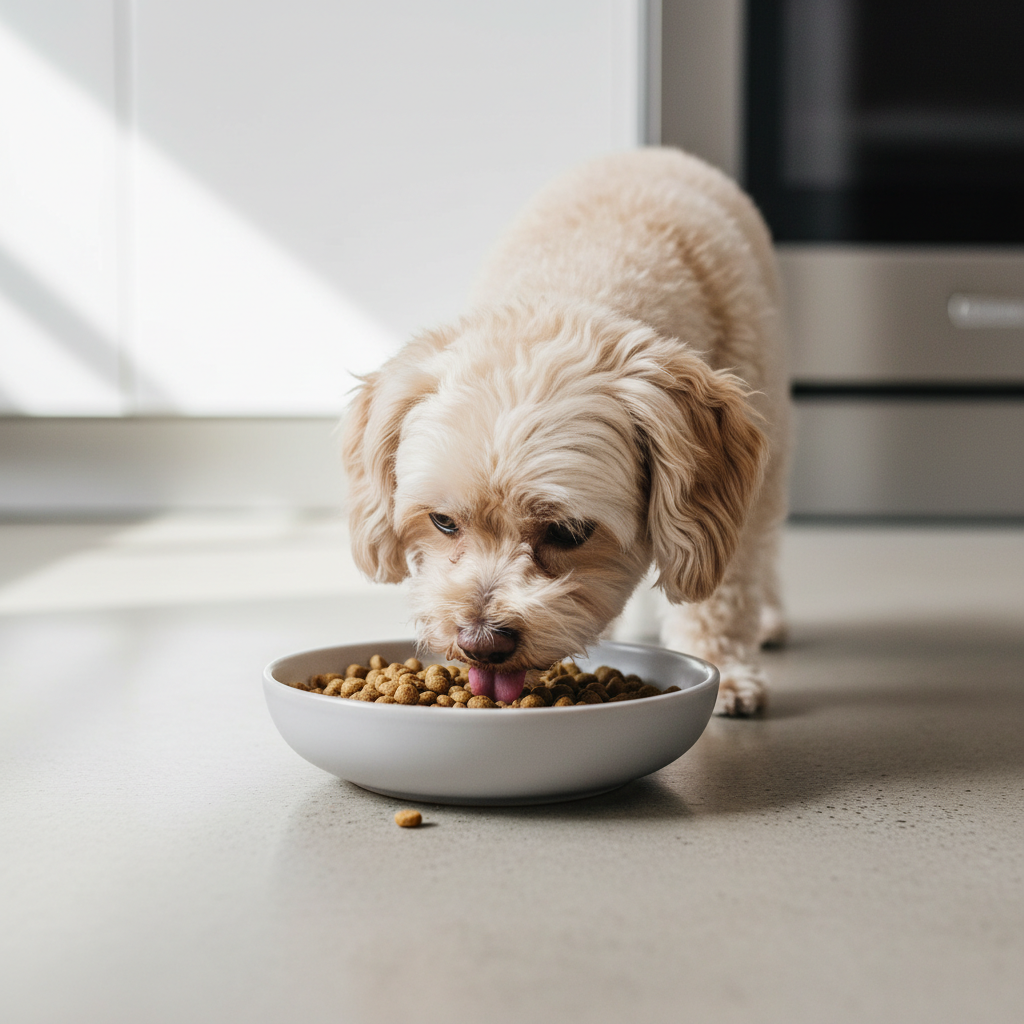
What makes small-breed dog food different (and why it matters)
Small dogs aren’t just “tiny versions” of large dogs. They tend to burn calories faster per pound, often have smaller mouths, and many are prone to dental buildup, picky eating, and occasional digestive sensitivity.
In practice, “small breed” formulas typically adjust a few levers:
- Smaller kibble shape for easier chewing and less “spit-it-out” behavior.
- Higher calorie density so a small portion still meets daily energy needs.
- Targeted fiber/probiotics to support stool quality during diet changes.
- Skin and coat support via omega-3s/omega-6s, since some small dogs show itchiness fast.
According to the Association of American Feed Control Officials (AAFCO), an “adult maintenance” or “growth” statement on the label indicates the food is complete and balanced for that life stage, that’s the baseline filter before you obsess over trendy ingredients.
Quick comparison: how to choose by situation
If you want a fast starting point, match the food type to the problem you’re actually trying to solve. Most people pick based on a brand reputation, then get stuck when their dog’s stool or appetite says otherwise.
| Common small-breed situation | What to look for on the label | What to avoid (often) |
|---|---|---|
| Picky eater, leaves kibble | Small kibble, higher fat within reason, strong protein aroma | Very large kibble, very low fat “diet” formulas (unless vet-directed) |
| Soft stool after switching foods | Moderate fat, clear single main protein, added fiber/probiotics | Rapid switches, multiple rich protein sources at once |
| Itchy skin, dull coat | Omega-3 sources (fish oil), limited-ingredient options if needed | Frequent rotating without a plan, unnecessary “exotic” mixes |
| Needs weight control | Lower calories per cup, higher protein, fiber for satiety | Free-feeding, high-calorie “small breed” formulas without measuring |
| Dental buildup concerns | Appropriate kibble size/texture, VOHC-accepted options when available | Assuming kibble alone “cleans teeth” without brushing |
Key takeaway: the best dog food for small breeds is the one that fits your dog’s appetite, stool, skin, and calorie needs at the same time, if one of those is consistently off, your “best” choice probably isn’t best for your dog.
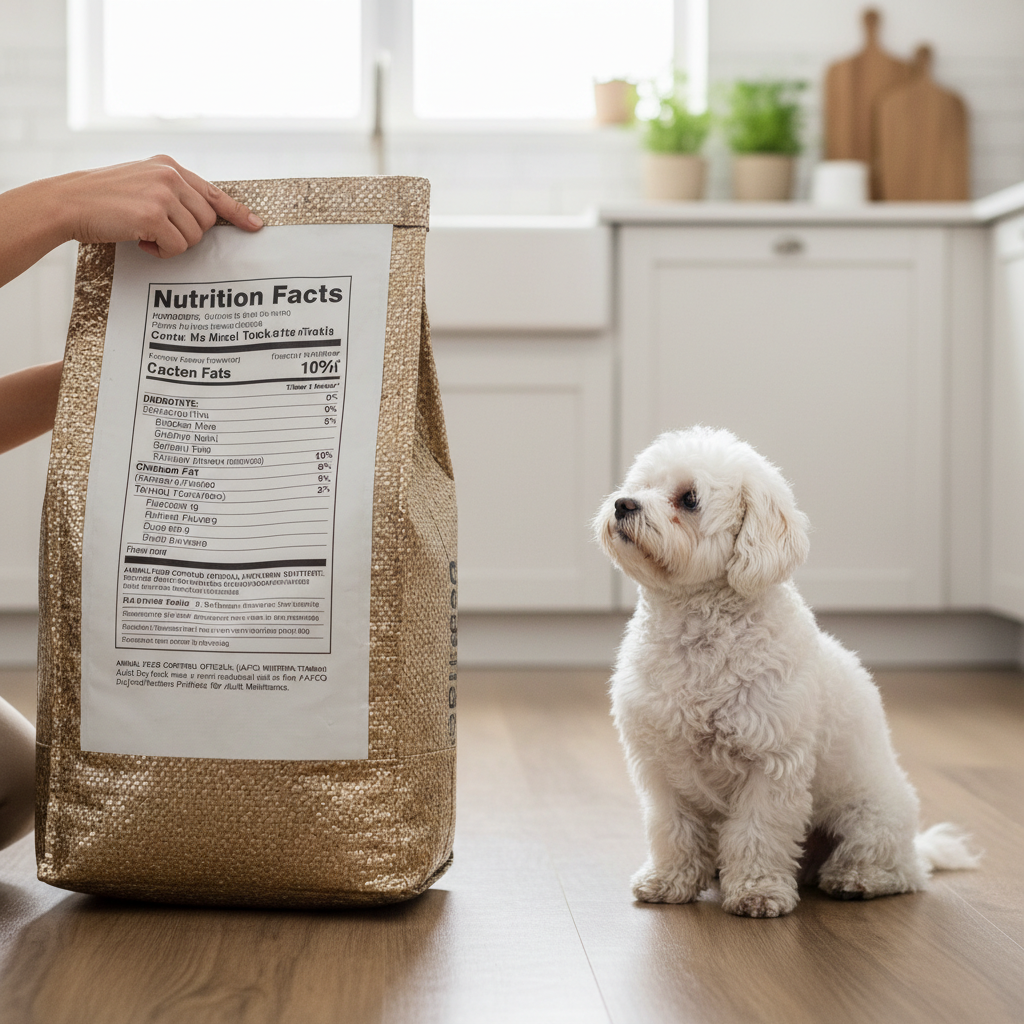
Ingredient and label checklist: pick a “fit” before you pick a brand
Brand debates get loud, but your decision gets easier when you evaluate the label the same way every time. Here’s a practical checklist that works for most U.S. shoppers.
1) Start with the AAFCO nutrition statement
- Look for “complete and balanced” for growth (puppies) or adult maintenance.
- If your dog is a small-breed puppy, confirm it’s for growth or “all life stages” and ask your vet if you’re unsure, small puppies can be more sensitive to underfeeding.
2) Check calories (kcal/cup or kcal/kg)
Small dogs can gain weight fast because “just a few extra bites” is a bigger percentage of their day. If the bag doesn’t clearly list calories, that’s a yellow flag for easy portion control.
3) Protein and fat: aim for steady energy, not “rich” for its own sake
- For many healthy adult small dogs, moderate-to-high protein works well, but digestion and medical history matter.
- Very high fat can be tasty, but it can also cause loose stool in some dogs, especially during transitions.
4) Fiber and gut support: watch the stool, not the marketing
Added prebiotics/probiotics may help some dogs, but it’s not magic. What matters is whether your dog’s stool becomes consistent over 2–3 weeks.
5) “Grain-free” and “exotic proteins”: treat as tools, not defaults
Some dogs do better on a limited-ingredient approach, but many don’t need grain-free at all. According to the U.S. Food and Drug Administration (FDA), there has been investigation into a potential association between certain diets and canine dilated cardiomyopathy (DCM), so it’s reasonable to discuss grain-free choices with your veterinarian if you’re considering long-term feeding.
Best dog food for small breeds: top categories that usually work
You asked for “best,” but in real homes it’s more honest to talk in categories. Your best dog food for small breeds depends on how your dog eats, how your dog digests, and how consistent you can be with measuring portions.
Small-breed specific kibble (everyday default for most homes)
- Good fit if you want convenience, shelf stability, and easy measuring.
- Prioritize kibble size, calorie clarity, and a clear life-stage statement.
Limited-ingredient diets (when skin or stomach is the main issue)
- Often helpful when you’re trying to simplify protein sources and reduce “ingredient noise.”
- Works best when you commit for several weeks and avoid constant rotations.
Weight management formulas (when the waistline is creeping)
- Look for lower calories per cup and a feeding guide that feels realistic for your dog’s size.
- Expect smaller dogs to beg at first, fiber can help, but portion discipline matters more than any label.
Wet food or topper strategy (for picky eaters, used carefully)
- Wet food can boost palatability and hydration.
- If you use it as a topper, measure it, otherwise “just a spoonful” becomes a daily calorie trap.
How to choose in 10 minutes: a real-world decision flow
If you’re standing in a pet store aisle (or scrolling at midnight), this is the shortest path to a reasonable pick.
- Step 1: Confirm life stage (puppy, adult, senior) and that the AAFCO statement matches.
- Step 2: Pick the format your dog reliably eats: small kibble, wet, or mix.
- Step 3: Decide your “main goal”: stool consistency, skin/coat, weight control, picky eating.
- Step 4: Choose one primary protein source you can stick with for a few weeks.
- Step 5: Check calories and commit to measuring for at least 14 days.
This is also where you avoid a common trap: switching foods too quickly because day three looks “worse.” Many mild GI reactions settle once the transition slows down.
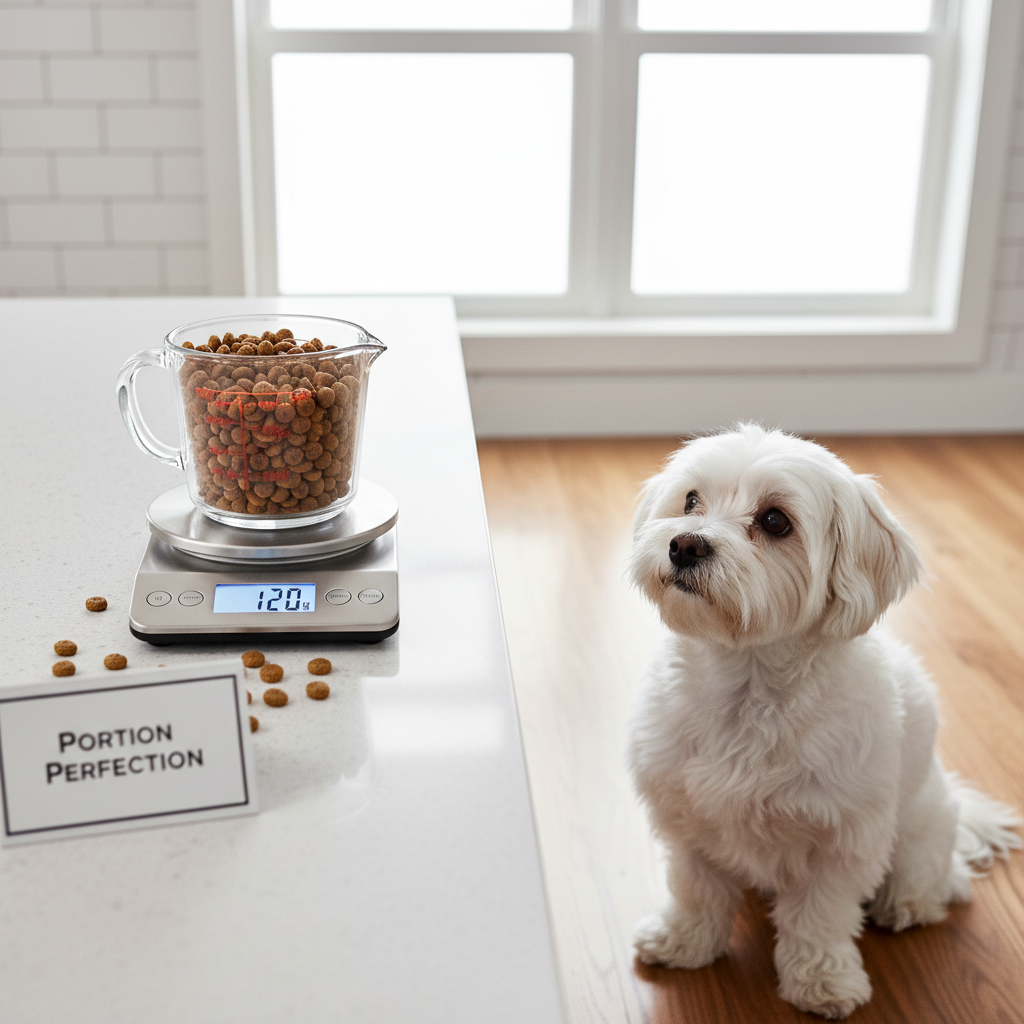
Practical feeding plan: portions, transition, and monitoring
Once you pick a food, execution matters more than most people expect. The “wrong” food sometimes looks wrong simply because the portion is off or the switch is rushed.
Portion basics (simple, not perfect)
- Start with the bag’s daily guide, then adjust based on body condition and activity.
- Use a kitchen scale if possible, cups can drift, and drift adds up fast for small dogs.
- Track treats as part of daily intake, small dogs often hit a calorie ceiling quickly.
Transition plan (gentle on small stomachs)
- Days 1–3: 75% old food, 25% new food
- Days 4–6: 50/50
- Days 7–10: 25% old food, 75% new food
- Day 11+: 100% new food
If stool turns soft, hold at the current ratio for a few extra days instead of pushing forward.
What to monitor for 2–3 weeks
- Stool: consistency and frequency, not just “good/bad.”
- Skin: scratching, redness, ear gunk, paw licking.
- Energy and appetite: steady interest matters more than “excited at every meal.”
- Weight trend: small weekly changes can be meaningful in toy breeds.
Mistakes that make “best dog food for small breeds” feel impossible
A lot of frustration comes from a few repeating patterns. Fix these and your next choice usually goes smoother.
- Chasing novelty: rotating proteins weekly can make it hard to identify what actually works.
- Over-topping: too many toppers can teach a dog to hold out for “the good stuff.”
- Ignoring calories: a “small breed” label doesn’t mean “weight-safe.”
- Assuming allergies too fast: itchiness can come from fleas, grooming products, seasonal triggers, or infections, food is only one possibility.
- Not measuring: eyeballing portions is fine for some large dogs, small dogs often pay the price.
Conclusion: what “best” should mean for your small dog in 2026
The best dog food for small breeds is the one you can feed consistently, measure easily, and validate through stool, skin, and weight over a few weeks, not the one with the fanciest front-of-bag claims.
If you want a clean next step, pick one small-breed formula with a clear AAFCO life-stage statement, transition over 10 days, and commit to weighing portions for two weeks, you’ll learn more from that than from another hour of ingredient debates.
FAQ
What is the best dog food for small breeds with sensitive stomachs?
Many dogs do well with a moderate-fat formula, a single main protein, and a slower transition. If vomiting, blood in stool, or ongoing diarrhea shows up, it’s safer to call a veterinarian because small dogs can dehydrate faster.
Do small breeds need “small breed” food, or can they eat regular adult dog food?
Some can eat regular adult food without issues, but small-breed formulas often make life easier through smaller kibble and clearer calorie density. If your dog struggles to chew or constantly leaves kibble behind, that’s a practical reason to switch.
How can I tell if my small dog is gaining too much weight on their food?
Look for a disappearing waist, less definition at the ribs, and a gradual upward trend on the scale. Because small dogs are light, even a pound can be significant, your vet can help confirm a healthy body condition score.
Is grain-free dog food better for small breeds?
Not automatically. Some dogs need a specific diet plan, but many tolerate grains well. If you’re considering grain-free long term, it’s reasonable to discuss it with your vet, especially if your dog has heart risk factors.
What kibble size is best for small dogs?
Small, easy-to-crunch pieces tend to work, but “best” depends on your dog’s jaw and dental status. If your dog swallows kibble whole or coughs while eating, consider a different shape or ask a professional about safer options.
Should I feed wet food to a picky small dog?
Wet food can help, but it’s smart to treat it as part of the total calories and keep the routine consistent. If picky eating is sudden or paired with weight loss, dental pain or illness could be involved, so a vet check makes sense.
How often should small breeds eat each day?
Many adult small dogs do well with two meals daily, while some do better with three smaller meals. Puppies often need more frequent meals, and dogs with medical conditions may need a specific plan.
When should I ask a vet about my dog’s diet?
If you see persistent GI upset, intense itching, repeated ear infections, unexplained weight change, or your dog is a puppy, senior, or has a chronic condition, a veterinarian can tailor advice beyond general “best food” lists.
If you’re trying to narrow down options faster, bring your current bag label and your dog’s recent stool/weight notes to a vet visit or nutrition consult, that combo usually gets you to a more personalized pick without endless trial-and-error.