
Best puppy training books can save you weeks of guesswork, especially when your puppy is biting hands, having accidents, or ignoring “sit” like it’s optional. The right book gives you a plan you can actually follow, not just a list of commands.
But here’s the messy part, not every “top book” fits every home. A high-drive working breed, a shy rescue pup, and a food-motivated Lab mix can all need different pacing, rewards, and management. If you pick a book that doesn’t match your reality, you’ll feel like you’re failing, when it’s really the method mismatch.

This guide helps you choose well for 2026: what to look for, which popular titles tend to fit which needs, and how to turn a book into a simple weekly routine. You’ll also get a quick comparison table, a short self-check, and a “what to do tonight” checklist.
What makes a puppy training book worth your time
A good puppy book usually does three things: it explains why behaviors happen, it tells you exactly what to do in the moment, and it gives a progression so you know what comes next.
- Modern reward-based methods: Look for clear reinforcement strategies, not intimidation or “be the boss” language. According to the American Veterinary Society of Animal Behavior (AVSAB), reward-based training is recommended and punishment-based approaches can raise welfare and behavior risks.
- Real-life management: Gates, pens, leashes inside, chew rotations, and nap schedules sound unglamorous, but they prevent rehearsing bad habits.
- Step-by-step criteria: The book should break “sit” into easy reps, then add distance, duration, and distractions. If it jumps from cue to perfect performance, you’ll stall.
- Troubleshooting: Pages that start with “If your puppy…” are gold. You want fixes for barking, nipping, fear periods, and potty regressions.
- Consistency-friendly layout: Short chapters, checklists, and weekly plans matter more than fancy writing when you’re sleep-deprived.
Quick comparison: best puppy training books (2026 shortlist)
The “best” list changes a bit year to year, but these titles remain common recommendations because they’re practical and aligned with humane training. Use this table to narrow your options, then pick one primary book and stick with it for 3–4 weeks.
| Book | Best for | Style | Watch-outs |
|---|---|---|---|
| The Power of Positive Dog Training (Patricia McConnell) | First-time owners who want clear, humane foundations | Warm, science-informed, practical | Less “week-by-week puppy schedule” structure |
| Puppy Primer (Patricia McConnell) | People who want short, straightforward lessons | Concise, skill-building | May feel brief if you want deep theory |
| Perfect Puppy in 7 Days (Dr. Sophia Yin) | Owners who like a day-by-day plan and routines | Structured, training-mechanics focused | Can feel strict if your schedule is chaotic |
| Zak George’s Dog Training Revolution (Zak George) | Visual learners who also watch videos | Accessible, upbeat, beginner friendly | You may want an extra resource for fear/anxiety nuance |
| Before & After Getting Your Puppy (Dr. Ian Dunbar) | Prevention-minded owners, socialization planning | Big-picture, prevention heavy | Some sections feel dated in tone, still useful concepts |
| How to Behave So Your Dog Behaves (Dr. Sophia Yin) | Families needing house rules and consistency | Behavior + training skills | Less puppy-specific than her puppy-focused title |
Key takeaway: pick the book that matches your life. If you need structure, choose the one with daily plans. If you need calmer explanations and confidence, choose the one that teaches mechanics gently.
Match the book to your puppy (and your household)
Most frustration comes from buying a “best puppy” title, then realizing your actual problem is biting, alone-time panic, or chaotic kids. This quick self-check keeps you honest.
- If biting/nipping is the main issue: prioritize books that teach reinforcement timing, settle skills, and chew management, not just obedience.
- If potty training is stuck: you need a book that emphasizes supervision systems (crate/pen/leash), schedule, and accident cleanup, not “rub nose in it” nonsense.
- If your puppy scares easily: look for careful socialization guidance and fear-period notes. According to the American Kennel Club (AKC), early socialization is important, and it should be done in a controlled, positive way.
- If you have a busy household: choose a book with clear routines and “minimum effective dose” training sessions, 3–5 minutes still counts.
- If you want a future sport dog: select authors who discuss engagement, reinforcement variety, and building drive without creating chaos.
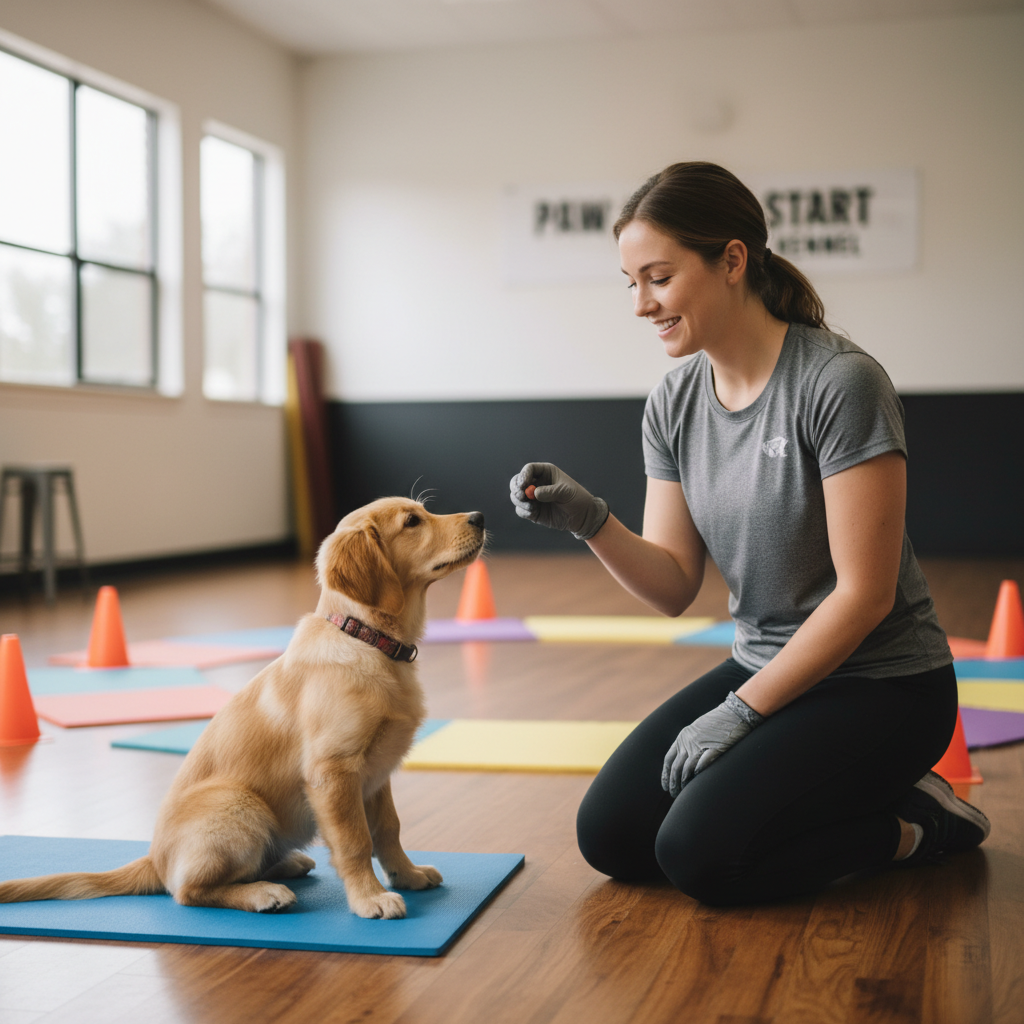
If you’re torn between two titles, choose the one that spends more pages on management + prevention. Commands are easy to teach, habits are the hard part.
How to actually use a puppy training book (without quitting)
Buying one of the best puppy training books is the easy win. The win that matters is using it consistently when your puppy steals socks for the tenth time.
A simple 10-day “make it real” plan
- Days 1–2: Read only the sections on reinforcement, schedules, and management. Set up a pen, a crate (if you use one), and a chew bin.
- Days 3–4: Teach 2 skills: name response and hand target. These become your steering wheel in real life.
- Days 5–6: Add “sit” and “down” as positions, but more importantly, practice calm repetition in 60–90 second bursts.
- Days 7–8: Start “settle on a mat” or “place.” This is where many households turn a corner.
- Days 9–10: Add one real-world challenge: door manners, leash starts, or alone-time micro-steps.
Keep sessions short: 3 minutes, a few times a day, usually beats a single 30-minute session that ends in frustration. According to the American Humane, positive reinforcement supports humane handling and can improve learning and the human-animal bond.
Practical fixes for the most common puppy problems
This is the section most people wish books started with. Use it as a “triage” page, then go back to your chosen resource for the full progression.
Puppy biting and nipping
- Prevent rehearsal: have chews ready, rotate textures, and use a leash indoors if needed.
- Teach an outlet: cue “get your toy,” reward the switch, then resume play.
- End play cleanly: if teeth hit skin, pause, stand up, and remove attention for 10–20 seconds. Not dramatic, just consistent.
- Check basics: overtired puppies get mouthy fast, add naps and you may see quick improvement.
Potty accidents that “come out of nowhere”
- Tighten supervision: if eyes are not on the puppy, the puppy goes in a safe area.
- Reward outside within a couple seconds of finishing, not when you get back inside.
- Clean thoroughly: enzymatic cleaner, and if accidents persist, consider talking with a veterinarian because urinary issues can happen.
Jumping on people
- Train greetings with “four paws on the floor” plus treats, before your puppy meets visitors.
- Use management (baby gate, leash) so your puppy doesn’t practice launching.
- Reward calm when guests arrive, not after the chaos ends.
Pulling on leash (early stages)
- Reinforce position: treat near your leg while moving, tiny steps count.
- Be boring about stops: if the leash tightens, stop. When slack returns, move again.
- Lower the difficulty: shorter walks, fewer triggers, more sniff breaks.
Common mistakes when choosing “best puppy training books”
Some mistakes are subtle, and they waste time because you keep trying harder instead of adjusting the plan.
- Mixing three methods at once: one book, one approach, long enough to evaluate. “Book hopping” usually creates inconsistent criteria.
- Ignoring reinforcement timing: if the treat arrives late, you may reward the wrong behavior, even if your intention is good.
- Only training when problems happen: skill-building in calm moments is what rescues you in messy moments.
- Expecting maturity too early: many puppies need months to generalize skills across rooms, parks, and distractions.
- Underestimating rest: poor sleep turns training into an argument. A nap schedule is not “extra,” it’s behavior support.
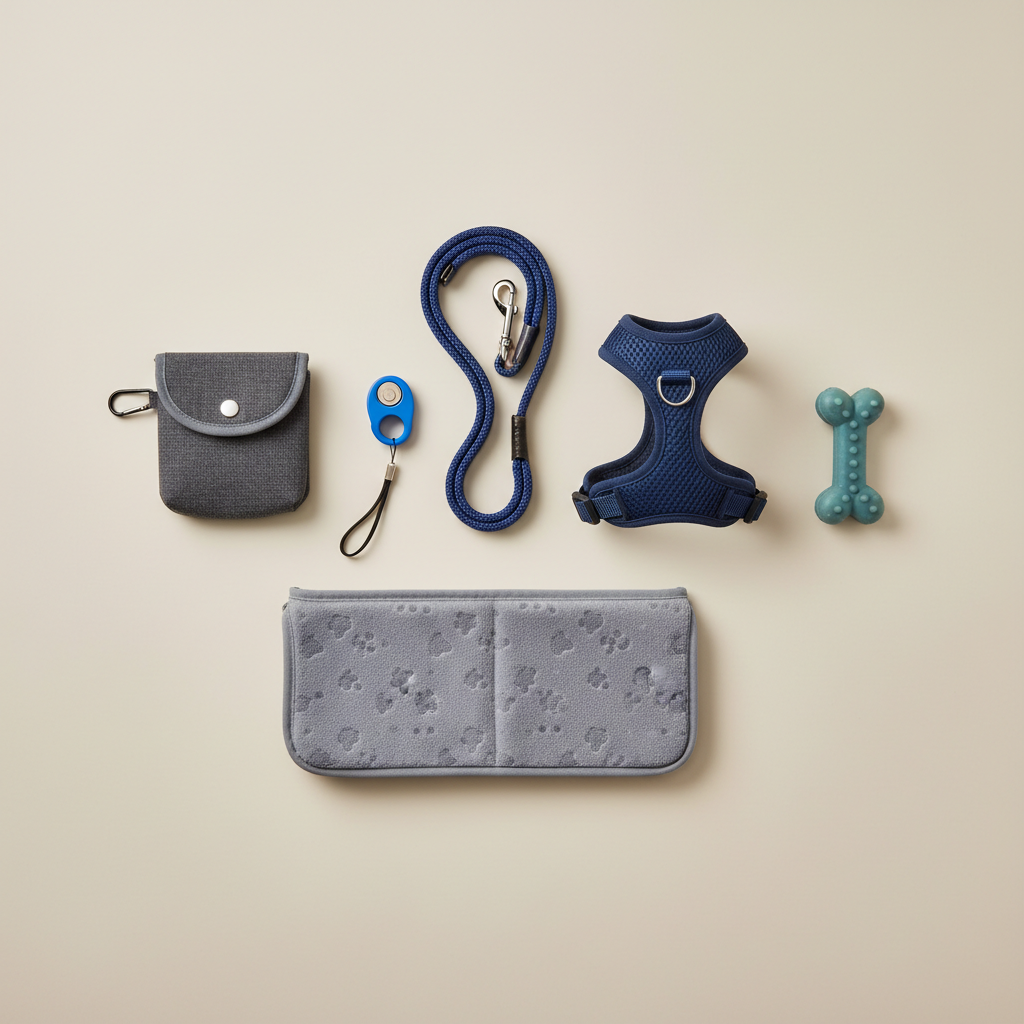
If a book pushes harsh corrections or frames normal puppy behavior as “dominance,” treat that as a red flag. Many households see better outcomes when they focus on reinforcement, management, and teaching alternate behaviors.
When a book isn’t enough (and who to call)
Books are great for foundation skills, but some situations move faster than DIY can safely handle. If you see any of the below, getting help early often saves stress.
- Fear that escalates: freezing, shaking, hiding, or snapping when approached, especially around handling.
- Resource guarding: stiffening over food, growling over chews, guarding stolen items. Don’t “test” your puppy, get guidance.
- Separation-related distress: intense vocalizing, drooling, panic behaviors when alone. A structured plan matters.
- Repeated aggression: any biting that breaks skin deserves professional assessment.
According to the American College of Veterinary Behaviorists (ACVB), veterinary behaviorists and qualified professionals can assess behavior problems and create a treatment plan, sometimes including medical considerations. If you’re unsure where to start, look for a credentialed trainer (for example, CPDT-KA) or ask your veterinarian for referrals.
Conclusion: pick one book, then build a routine
The best puppy training books for 2026 are the ones you’ll actually use, and that usually means a humane approach, clear steps, and realistic troubleshooting. Choose one primary title, commit for a few weeks, and measure progress by habits, fewer accidents, calmer greetings, better recovery after excitement.
Your next two actions: (1) pick a book from the table that matches your biggest pain point, (2) set a 10-day plan with three tiny sessions per day and one management upgrade at home.
FAQ
What are the best puppy training books for first-time owners?
Many first-time owners do well with reward-based, clearly written books like Patricia McConnell’s or Sophia Yin’s titles, because they explain timing and setup, not just commands.
Are older classics still good in 2026?
Often, yes. Dogs haven’t changed, but presentation and updated best practices do evolve. If an older book promotes harsh corrections or dismisses fear, consider a more modern alternative.
How do I know if a puppy training method is too harsh?
If the plan relies on pain, intimidation, “alpha” framing, or repeated physical corrections, it’s a sign to pause. Humane methods still set boundaries, they just teach skills without escalation.
Can I train my puppy using only a book and no classes?
For basic skills, many people can. If you hit fear, guarding, or separation distress, it’s smarter to add professional support rather than pushing through alone.
Which book is best for puppy biting?
Look for books that treat biting as normal development and give you management plus alternative behaviors, like toy swaps and settle skills, not just “say no.”
How long should I follow one book before switching?
Give it at least 2–4 weeks of consistent practice, unless the advice feels unsafe or clearly increases stress. Most “no progress” comes from inconsistent reps, not the book.
Do I need a clicker to follow these books?
No. A clicker can help with timing, but a consistent marker word like “yes” usually works fine if your timing is clean.
If you’re trying to choose between a couple of popular options and want a faster, less frustrating path, it may help to list your top two problems and pick the book that gives the clearest routines for those exact scenarios, then layer in a class or consult only if you get stuck.