
The best dog treats for training are the ones your dog will work for, that you can deliver fast, and that won’t derail health goals after 30 reps in a row.
That sounds simple, but it’s where most training plans quietly fall apart: the treat is too big, too messy, not motivating enough, or it turns every session into an upset stomach situation. Small dogs and large dogs run into different versions of the same problem.
This guide breaks down what to look for, what to avoid, and how to pick treats that fit your dog’s size, chew style, and dietary needs. You’ll also get a practical portioning plan, a comparison table, and a quick checklist for shopping in the U.S.
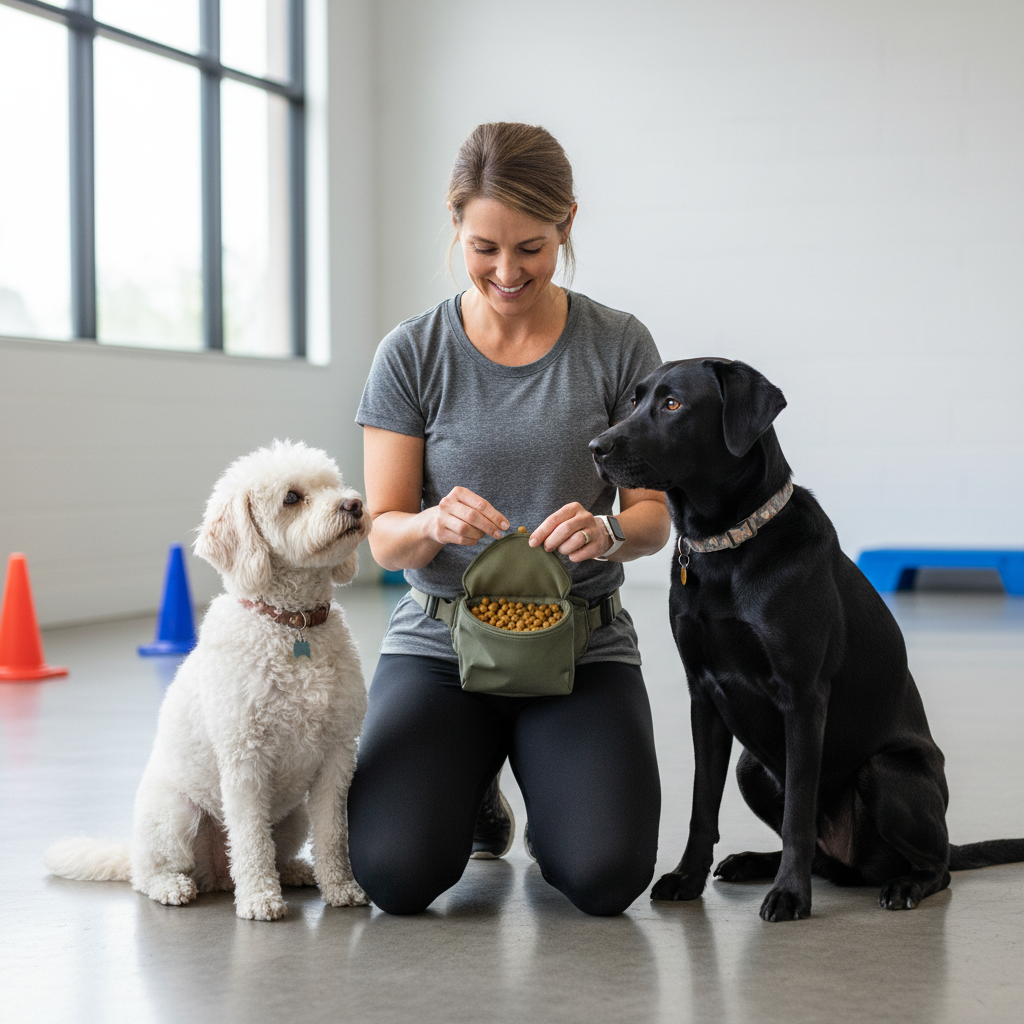
What makes a great training treat (and why size matters)
In real training sessions, you’re not feeding “snacks,” you’re paying for behavior. So the treat has to be high value, low effort, and easy to repeat.
- Small and soft wins: Think pea-sized or smaller, especially for small breeds. Soft texture speeds eating, so your timing stays sharp.
- Smells stronger than it looks: Aroma drives motivation. Many dogs will work harder for smelly treats even when the pieces are tiny.
- Minimal crumble, minimal grease: You want quick delivery without turning pockets into a mess or leaving crumbs that distract.
- Consistent swallowing: Crunchy biscuits can create “chew breaks.” For large dogs this wastes time; for small dogs it can also be harder to manage.
For small dogs, treat size is the biggest limiter because calories add up fast and mouth size makes big pieces awkward. For large dogs, the common issue is the opposite: owners offer big chunks to “make it worth it,” then the dog slows down and the session loses momentum.
Choosing treats by training goal: basic cues vs. high-distraction work
Not every behavior needs the same paycheck. A smart setup uses a “reward ladder,” so you save the best stuff for the hardest moments.
Everyday cues (sit, down, leash manners)
- Use low-to-medium value treats most of the time.
- Prioritize easy portioning and low calories.
- Dry treats can work if your dog stays engaged, but soft usually trains faster.
High distraction (recall, reactivity work, new environments)
- Bring high-value options: soft meat treats, freeze-dried meat crumbled small, or tiny bits of cooked chicken (if your vet says it fits your dog).
- Use a treat pouch and deliver rapidly, one after another, to build momentum.
- Consider mixing two treat types to keep interest high.
According to American Kennel Club (AKC) guidance on positive reinforcement training, rewarding desired behavior quickly and consistently helps dogs understand what you want. Treat choice is part of making that timing easy.
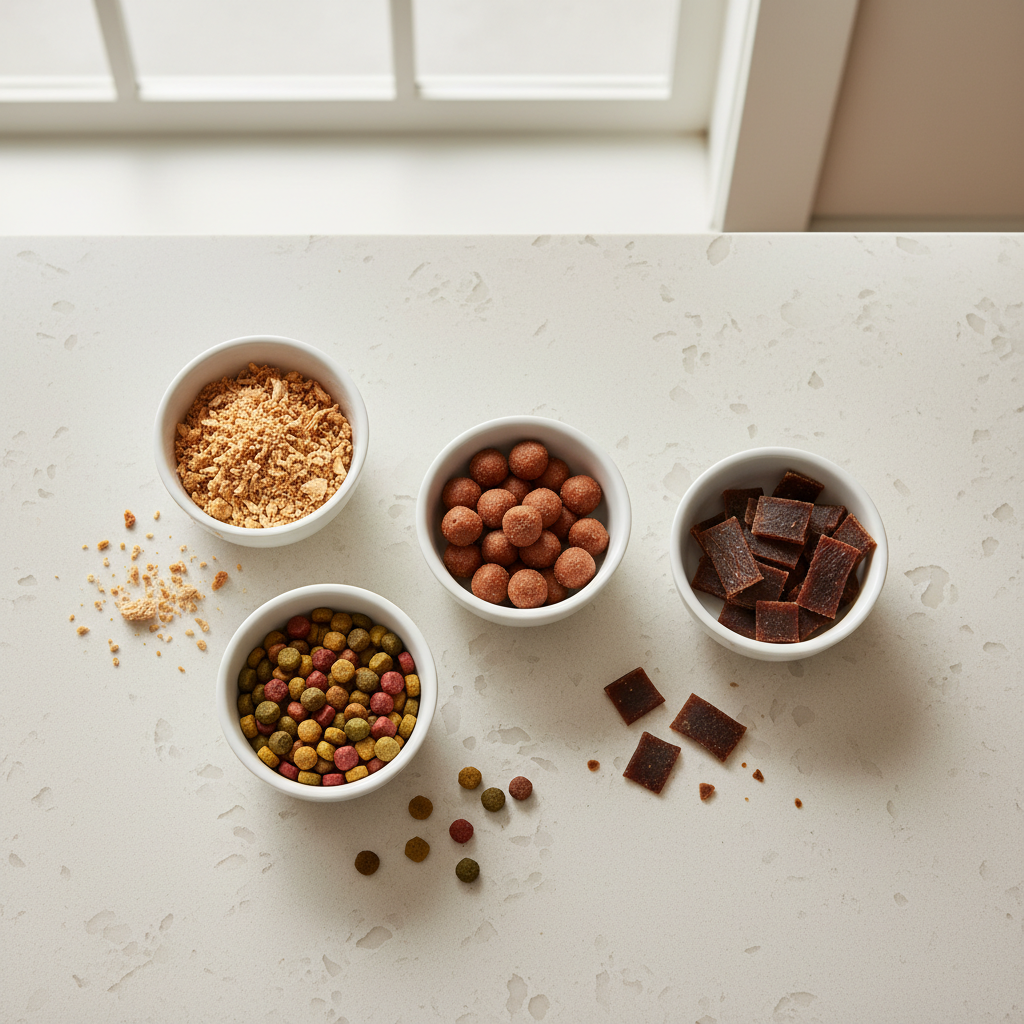
Quick comparison table: treat types that usually work for training
Here’s the practical trade-off view. Brand matters less than picking the right format for your dog and your training style.
| Treat type | Best for | Pros | Watch-outs |
|---|---|---|---|
| Soft, bite-size training treats | Most dogs, rapid reps | Fast to eat, easy to portion, predictable | Can be high-calorie; check feeding guide |
| Freeze-dried meat (crumbled) | High motivation, picky dogs | Very enticing smell, simple ingredients | Can be rich; crumble to avoid large chunks |
| Jerky-style treats (cut tiny) | Medium-high value rewards | Portable, smells strong | Some are tough/chewy; look for softer strips |
| Kibble (from daily ration) | Weight control, easy sessions | Zero extra calories if measured | May not be motivating under distraction |
| Homemade (tiny chicken/turkey) | Recall, big breakthroughs | Ultra high value for many dogs | Food safety, storage, and diet fit vary; ask your vet if unsure |
How to shop: ingredient and safety checks that actually matter
Most people scan the front label, see “natural,” and stop there. For the best dog treats for training, a few back-of-bag checks save you a lot of headaches.
- Calories per treat: This is the big one, especially for small dogs. If it doesn’t list calories, you’re guessing.
- Protein source clarity: “Chicken” vs. vague “meat by-products” can matter for sensitive dogs.
- Moisture and texture: Softer treats often have humectants to stay chewy. Many dogs do fine, but if your dog has a sensitive stomach, you may need to test slowly.
- Allergy triggers: Common issues include chicken, beef, dairy, wheat. If your dog itches, gets ear problems, or has GI upset, talk to a veterinary professional before you overhaul the diet.
- Size and breakability: If you can’t snap it into 4–8 pieces quickly, it’s not a great “rep” treat.
According to FDA pet food resources, treat safety and quality can vary, and recalls do happen. It’s worth checking recall notices if you’re trying a new brand or buying in bulk.
Self-check: which treat strategy fits your dog?
If you’re stuck, don’t overthink it. Use this quick sorting list and you’ll usually land on the right approach within a week.
- Your dog takes treats gently and stays focused → soft bite-size treats or kibble may work fine.
- Your dog snatches, jumps, or gets overexcited → use lower-value, smaller pieces; reward calmly; consider tossing treats to the ground to reduce grabbing at hands.
- Your dog loses interest outside → bring high-value options (freeze-dried meat crumbles or tiny cooked meat) and reduce meal portions earlier that day.
- Your dog has a sensitive stomach → single-protein, simpler treats; introduce slowly over a few sessions.
- Your dog gains weight easily → measure daily treat calories, swap to rationed kibble for easy reps, reserve “good stuff” for the hard moments.
- You have multiple dogs → pick treats with similar value to prevent jealousy spikes, and manage spacing to avoid resource guarding.
Practical plan: portions, timing, and treat size for small vs. large dogs
This is where training becomes sustainable. The treat doesn’t need to be big, it needs to be frequent and well-timed.
Portion rules that hold up in real life
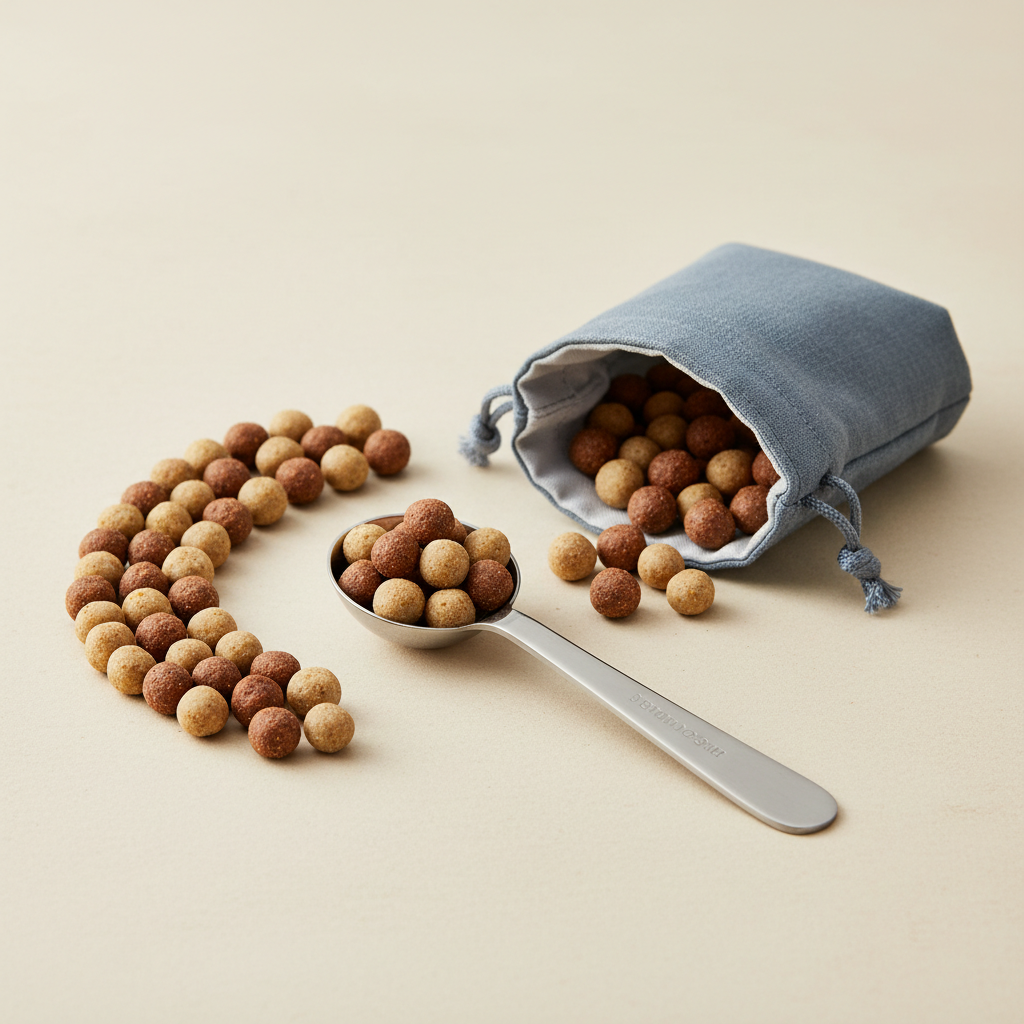
- Go smaller than you think: For many dogs, a piece the size of a pea (or smaller) is enough.
- Pre-cut before you train: You’ll reward more smoothly, and your dog won’t wait while you fumble.
- Use a mix: 80% low-to-medium value, 20% high value for breakthroughs and tough distractions.
- Count reps, not minutes: If you plan 40 rewards, set out 40 pieces. When they’re gone, you stop or switch to play/praise.
Small dogs: keep the reps, cut the calories
- Choose tiny soft treats or breakable options, so one treat becomes 3–6 rewards.
- Watch richness, small dogs often show stomach upset sooner.
- Consider using part of breakfast or dinner kibble for “easy wins” indoors.
Large dogs: keep speed high and arousal controlled
- Use small pieces anyway, big chunks slow chewing and muddy timing.
- If your dog gets mouthy, deliver treats low and close to your leg, or toss the treat slightly away after the marker word.
- For recall, pay big with multiple tiny treats in a row rather than one large treat.
Common mistakes (they’re more common than people admit)
- Treats are too big: You think you’re being generous, but you’re actually slowing learning and adding calories fast.
- One treat for everything: Then recall “costs” the same as sit, and your dog makes a logical decision under distraction.
- Trying new rich treats right before a big outing: If your dog gets GI upset, you’ll blame the environment when it’s really the reward.
- Rewarding late: The best dog treats for training can’t fix timing. Use a clear marker word (“yes”) or a clicker, then treat.
- Ignoring dental and chew needs: Training treats are not dental chews. Keep those roles separate so you don’t overfeed.
If you’re seeing repeated vomiting, diarrhea, or signs of food allergy, it’s safer to pause the new treats and consult a veterinary professional for guidance tailored to your dog.
Key takeaways and a simple next step
Key points: go tiny, go soft, match value to difficulty, and measure calories like you would any other part of diet management. In most homes, that alone improves focus within a few sessions.
If you want an easy next step, pick two treat types this week, one “everyday” and one “high value,” pre-portion them into small containers, and run three short sessions of 3–5 minutes each. You’ll learn quickly what your dog actually works for.
FAQ
What are the best dog treats for training a puppy?
Look for very soft, tiny treats that your puppy can swallow quickly, and introduce any new option gradually. Puppies often do best with simple ingredients and small portions so you can reward frequently without overfeeding.
Are freeze-dried treats too rich for daily training?
They can be, depending on the dog and how much you use. Many people crumble freeze-dried pieces into tiny bits and reserve them for distractions, while using lower-calorie treats for routine cues.
Can I use kibble as training treats?
Yes, especially for indoor practice or dogs that stay food-motivated. Measure it out from the daily ration so you don’t accidentally add extra calories, then upgrade to higher value rewards outdoors if focus drops.
How many training treats per day is too many?
It depends on treat calories, dog size, and activity level. A practical rule is to keep treats as a modest portion of daily intake and adjust meal size on heavy training days; if weight is trending up, scale back and use smaller pieces.
What treats work best for training small dogs without weight gain?
Tiny, breakable soft treats or part of the daily kibble ration usually work well. The trick is making each reward very small while keeping the rate of reinforcement high.
What’s a good high-value treat for recall training?
Many dogs respond strongly to smelly soft meat treats or small bits of cooked meat, but tolerance varies. Test high-value options in low-stakes sessions first so you’re not troubleshooting stomach upset during an important recall practice.
My dog gets too excited with treats—what should I do?
Try smaller pieces and slightly lower value treats, reward in a calmer posture, and consider tossing treats to the ground after your marker word to reduce grabbing hands. If arousal stays high, a trainer can help you build calmer reinforcement patterns.
If you’re trying to build a treat system that works in your day-to-day routine, it can help to keep a short list of “everyday” and “high value” options, then rotate based on the situation so training stays effective without turning into constant snacking.