
bird seed feeder no mess sounds like a marketing promise, but in most backyards it’s really about controlling three things: where seed lands, how moisture gets in, and who else (besides birds) shows up to eat it.
If you’ve ever cleaned a wet seed pile off a patio, pulled sprouting sunflower chips from a flowerbed, or watched squirrels throw half the mix onto the ground, you already know why “no mess” matters. The mess isn’t just cosmetic, it can attract rodents, encourage moldy seed, and turn a relaxing hobby into a weekly cleanup routine.
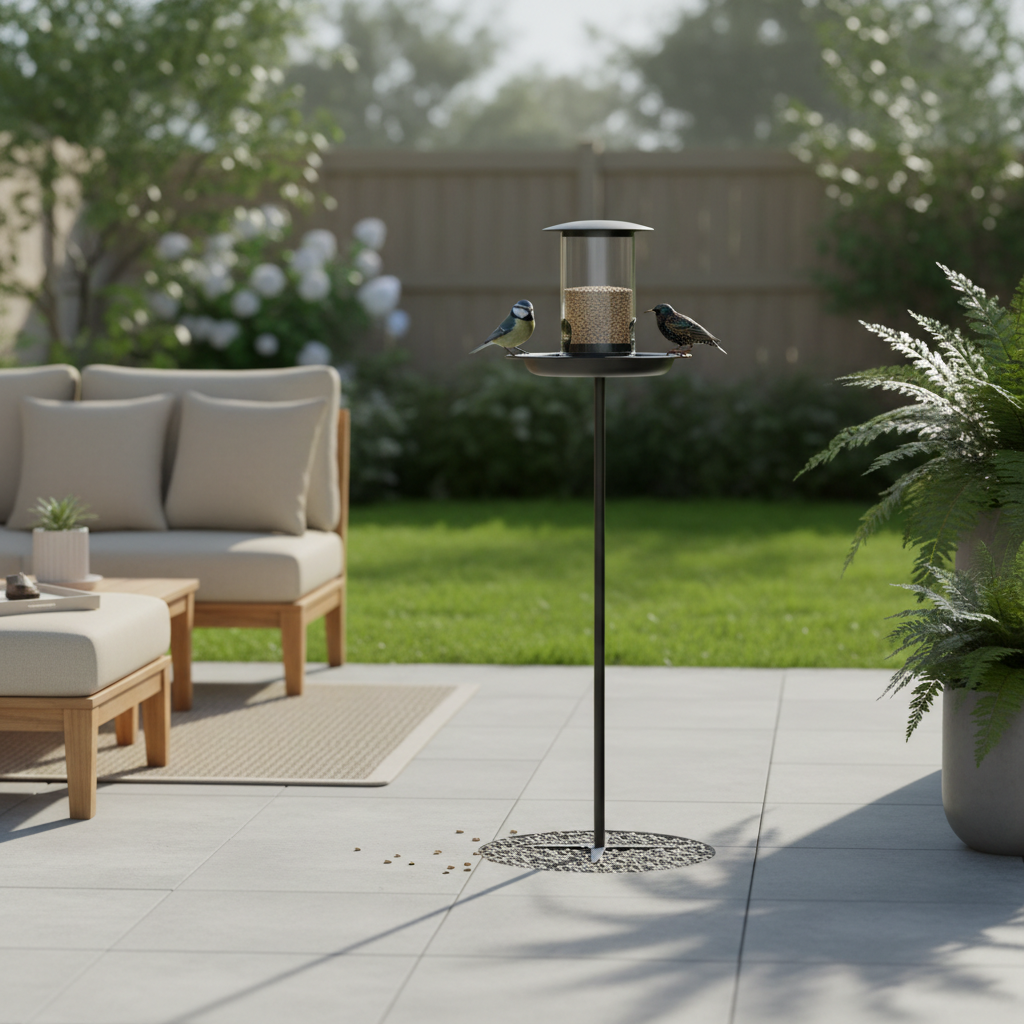
This guide breaks down what “no mess” realistically looks like, which feeder styles help most, how seed choice changes everything, and the small setup tweaks that usually make the biggest difference.
What “No Mess” Really Means (and What It Doesn’t)
Most “no mess” products reduce spillage, they don’t erase it. Birds flick seed, crack shells, and sometimes drop bits while perching, that’s normal. The goal is to limit ground fallout to a small, manageable area and keep the food itself dry and fresh.
A practical definition: a bird seed feeder no mess setup is one where you can walk under the feeder days later and not see a wide circle of seed, and where the feeder doesn’t turn into a soggy clump after rain.
- Reduced waste: fewer whole seeds kicked out of ports.
- Less shell litter: especially from sunflower in-shell mixes.
- Lower pest pressure: fewer “free meals” on the ground.
- Cleaner surfaces: decks, patios, entry walkways stay usable.
According to the Cornell Lab of Ornithology, keeping feeders clean and dry is a key part of reducing disease risk at feeding stations, which is another reason mess control matters beyond aesthetics.
Why Seed Spills Happen: The Real-World Causes
When people blame the feeder, they’re only half wrong. Spills usually come from a combo of design, seed type, and placement.
Common causes you can actually fix
- Oversized ports: birds can rake seed out while “shopping” for favorites.
- Too much perch space: multiple birds jostle, seed gets bumped out.
- Mixed seed with fillers: birds toss what they don’t want.
- Wind exposure: swaying feeders shake seed loose.
- Rain intrusion: wet seed clumps, then breaks apart and falls.
One subtle one: when a feeder gets dirty, ports can stick and birds peck harder, which can increase scatter. Not always, but it’s a pattern you’ll notice if you watch for a week.
Quick Self-Check: Which “Mess” Problem Do You Have?
Before buying a new feeder, pinpoint the mess type. Different fixes work for different headaches.
- Mostly shells under the feeder: likely in-shell sunflower or peanuts in shell.
- Whole seeds everywhere: oversized ports, cheap mixed seed, or heavy jostling.
- Wet, dark clumps in the tray: rain intrusion, poor drainage, or infrequent cleaning.
- Big nighttime “dump”: squirrels, raccoons, or large birds raiding and shaking.
- Mess spreads wide: wind, or feeder hung too high with nothing catching fallout.
If you can’t tell, try this: lay down a piece of cardboard under the feeder for 24 hours, then look at what’s on it. Shells vs whole seeds vs mushy clumps tells you what to change first.
Feeder Styles That Usually Spill Less (Pros, Cons, Best Use)
There’s no single “perfect” design, but some styles consistently cut mess in typical U.S. yards.
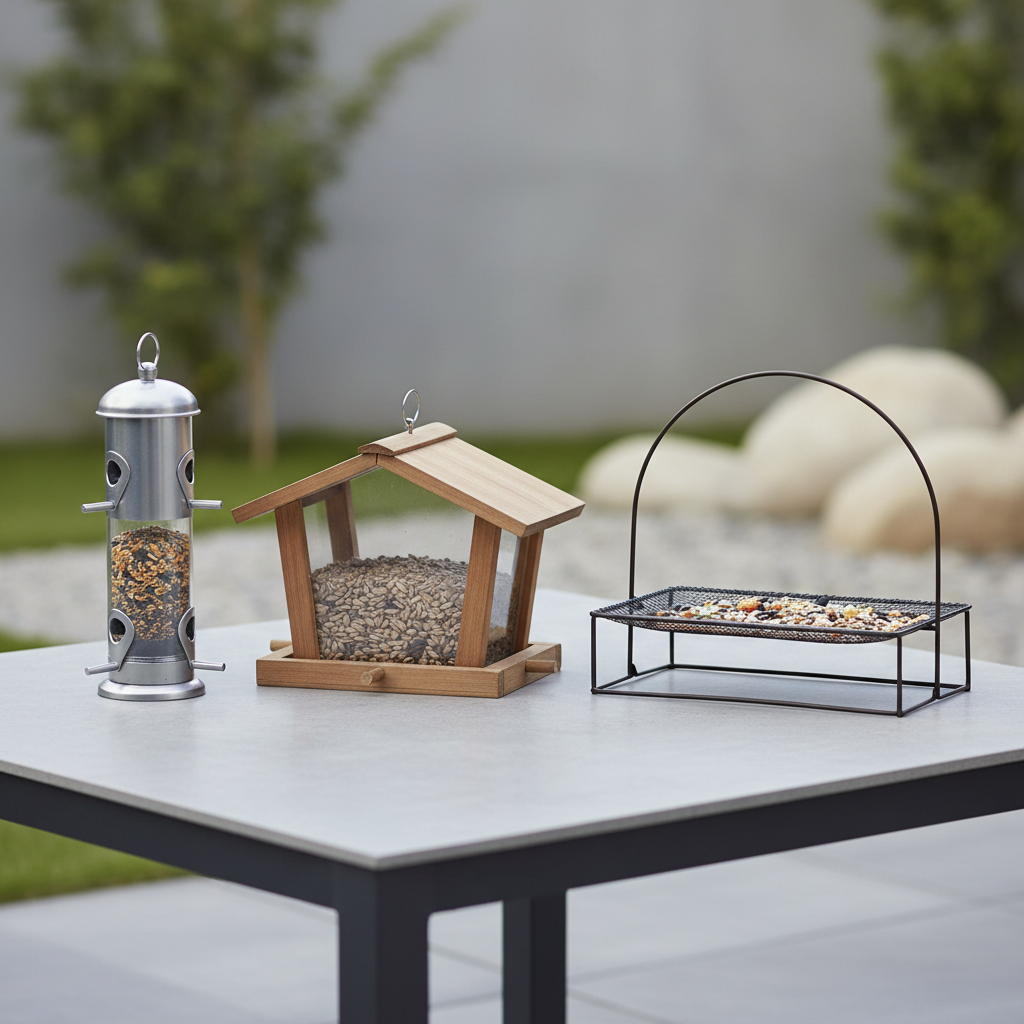
| Feeder type | Why it’s cleaner | Tradeoffs | Best for |
|---|---|---|---|
| Tube feeder (small ports) | Controls flow, limits “raking” | Needs occasional unclogging; not for large seeds unless designed for it | Finches, chickadees, titmice |
| Hopper feeder (weather roof) | Seed stays more protected from rain | Can still spill if ports are wide; easier for squirrels unless protected | Mixed songbirds in moderate weather |
| “No waste” tube (kernel-only blends) | Pairs best with hulled seed, almost no shells | Kernel blends cost more; can spoil if wet | Decks/patios where mess is a dealbreaker |
| Tray with mesh + roof | Drainage reduces soggy buildup | More open exposure; can attract larger birds | Areas with frequent rain if well-covered |
If you want a true “cleaner ground” outcome, the pairing matters: a better feeder with the wrong seed still makes a mess, and a great seed mix in a feeder with huge ports still gets dumped.
Seed Choice: The Fastest Way to Cut Mess (Sometimes More Than the Feeder)
If you only change one thing, change the seed. Many “messy feeder” complaints are really “messy seed” problems.
- Hulled sunflower chips (also called “sunflower hearts”): far fewer shells, popular with many species.
- Nyjer (thistle) seed in a proper finch tube: less scatter when ports match seed size.
- Avoid filler-heavy mixes: birds often toss millet or cracked corn if they’re targeting sunflower.
- Peanuts: use a peanut feeder; loose peanuts in a big-port hopper can become ground litter fast.
One reality check: “no waste” blends can cost more, but you may buy less overall because you’re not paying for shells and rejected filler that ends up under the feeder.
Setup Tips That Make a “No Mess” Feeder Work Better
Even a good bird seed feeder no mess design can look disappointing if it’s hung in the wrong spot. A few small adjustments tend to pay off quickly.
Placement and stability
- Reduce sway: use a sturdy pole or add a stabilizer to cut seed shake-out in wind.
- Mind the landing zone: avoid placing over outdoor rugs, grills, or high-traffic walkways.
- Use a seed catcher tray when you can’t move the feeder (decks are the classic case).
Weather control
- Add a dome baffle or rain guard: helps keep ports and seed drier.
- Choose feeders with drainage: tiny holes or mesh bases reduce soggy buildup.
- Don’t overfill: smaller fills stay fresher, especially in humid or rainy weeks.
Pest pressure (the “mess multiplier”)
- Use a baffle: squirrels often cause the biggest spills by shaking and hanging.
- Nighttime visitors: if you suspect raccoons, consider bringing feeders in overnight.
- Clean up what falls: even a small amount of seed can train pests to return.
Maintenance: Keep It Clean Without Making It a Chore
Low mess gets easier when you keep the feeding station predictable. Let it slide for a month, and you’ll often see clogs, wet seed, and more scatter.
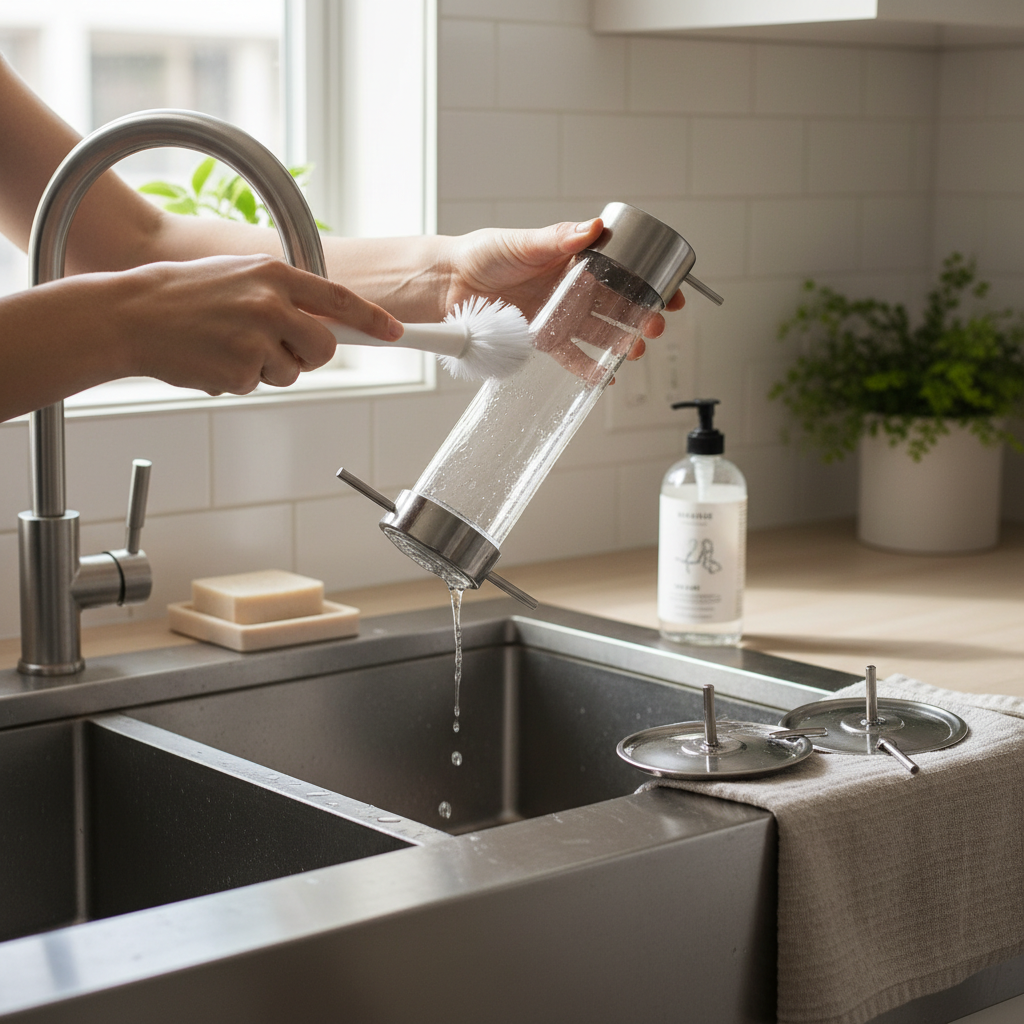
According to the U.S. Fish & Wildlife Service, regularly cleaning feeders helps reduce the chance of spreading disease among birds. They don’t give a one-size schedule for every yard, but routine cleaning is consistently recommended across major wildlife organizations.
- Weekly quick check: dump dust, check for clumps, wipe perches and ports.
- Periodic wash: wash and fully dry before refilling, frequency depends on rain, heat, and crowding.
- After heavy rain: if seed got wet, toss it. Wet seed can mold, and that’s not something to gamble with.
If you see sick birds, unusual die-offs, or you’re in an area with a known outbreak, it’s smart to pause feeding and consult local wildlife guidance, or a wildlife rehabilitator, since recommendations can change by region and season.
Key Takeaways (So You Can Buy Once and Stop Sweeping)
- “No mess” is mostly about spill control and dryness, not eliminating every hull and crumb.
- Seed choice often matters more than feeder price, hulled options cut litter fast.
- Small ports + stable mounting usually reduce whole-seed scatter.
- Pests create mess, so baffles and placement are part of the solution.
- Clean, dry feeders work better and reduce avoidable risks.
Conclusion: A Cleaner Feeding Station Is Usually a Few Small Changes
If your goal is a bird seed feeder no mess setup, start with the simplest win: switch to a lower-waste seed (like hulled sunflower) and make sure the feeder stays dry. If the ground still looks like a snack bar after that, then it’s time to focus on port design, stability, and pest control.
Pick one change you can make this week, then watch the ground under your feeder for a few days. That little “before/after” check tells you more than any product label.
FAQ
What is the best bird seed for a no-mess feeder?
In many yards, hulled sunflower (chips/hearts) is the most practical “less mess” choice because birds eat it without leaving piles of shells. It can spoil if it stays wet, so feeder dryness still matters.
Do “no mess” bird feeders actually stop rodents?
They can reduce attraction by limiting ground seed, but rodents may still show up if there’s cover nearby or other food sources. If rodents are a concern, combine spill control with cleanup and feeder placement away from dense shrubs.
Why are birds throwing seed out of my feeder?
Usually it’s either a port that allows raking, or a mix with ingredients they don’t want. Try a higher-quality blend with fewer fillers, or switch to a feeder with smaller, better-matched ports.
Is a seed catcher tray worth it?
If you feed over a deck or patio, a catcher tray often pays for itself in reduced sweeping and less wasted seed. It’s not perfect, but it can keep the mess contained and easier to dump.
How do I keep seed from getting wet in the rain?
Look for weather guards, covered hoppers, and drainage. Also, avoid overfilling so seed cycles out faster. If seed turns clumpy or smells musty, it’s safer to discard it.
Can I use “no mess” seed in any feeder?
Mostly yes, but performance varies. Fine chips may flow differently than whole seed and can clog some designs if the feeder isn’t built for it, so it’s worth checking port size and whether the feeder has a good flow path.
How often should I clean a bird feeder to reduce mess and risk?
Many people do a quick weekly check and a more thorough wash as needed, especially after rain or heavy use. If you’re unsure what’s appropriate for your region, local wildlife agencies or rehabbers can offer guidance.
What if squirrels are the main reason for the mess?
Then a “no mess” label won’t solve it by itself. A baffle, squirrel-resistant feeder design, and a mounting setup that limits jumping access usually make a bigger difference than swapping seed alone.
If you’re trying to get a cleaner setup without trial-and-error, it helps to match your feeder style, seed type, and placement to the birds you actually see in your yard, and to your biggest pain point, wet seed, shells, or pests.