
How to get rid of dog smell in house usually comes down to one unglamorous truth, odor isn’t “in the air,” it’s stuck in fabric, floors, and the spots your dog loves most.
If your home smells fine right after you clean, then drifts back to that doggy funk in a day or two, you’re not failing at housekeeping, you’re probably just missing the source layer. Most people wipe surfaces and light a candle, but the smell keeps coming because dander, skin oils, saliva, and moisture keep reloading the same areas.
This guide focuses on what actually moves the needle in real homes, quick ways to pinpoint what’s causing the smell, a cleaning plan you can repeat without burning your weekend, and a few prevention habits that make the “fresh” feeling last.
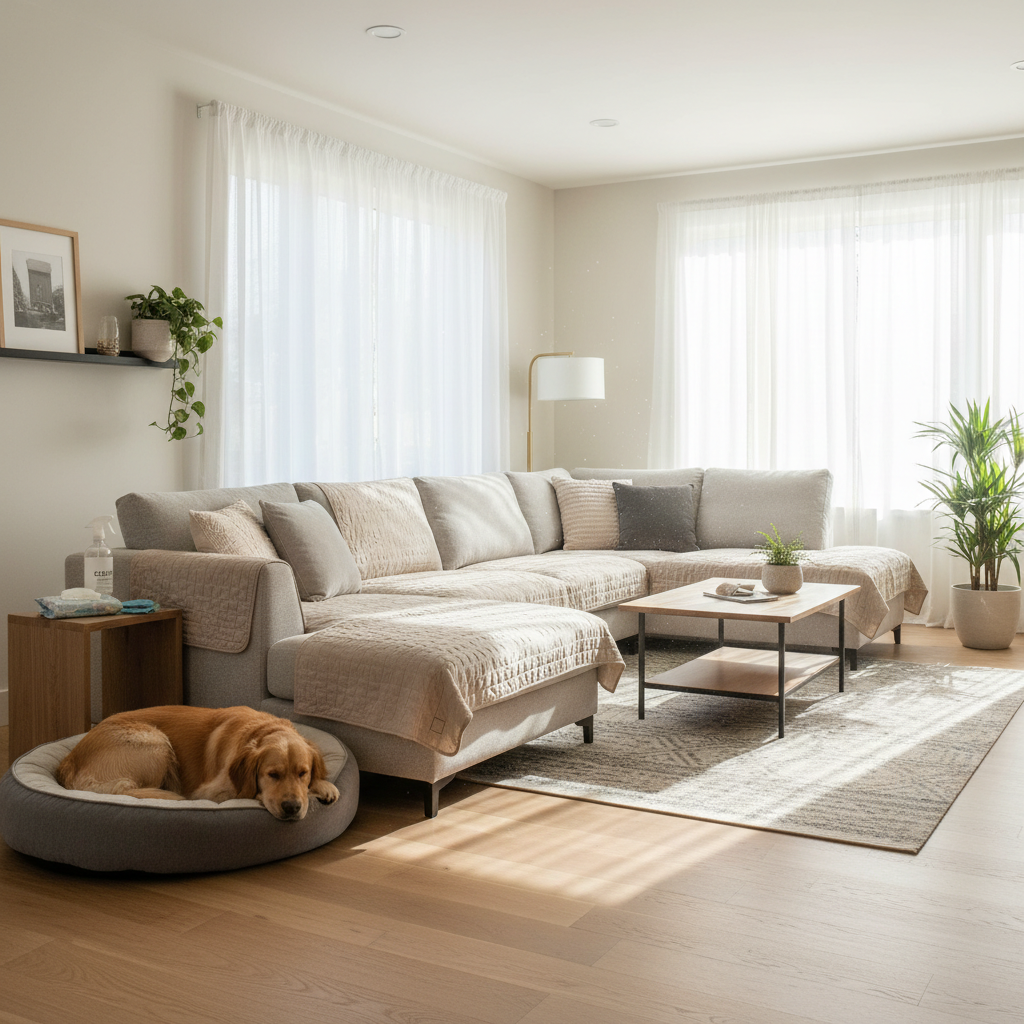
What causes “dog smell” indoors (so you can stop chasing it)
That classic dog odor is usually a mix of skin oils, dander, and whatever your dog picked up outside, then rubbed into the house. Add moisture, and the smell gets louder fast.
- Soft surfaces hold odor: couches, rugs, curtains, dog beds, blankets, even the car seat cover you carried inside.
- Floors collect a film: paws track in dirt and bacteria, and oils transfer from fur when dogs sprawl on tile or hardwood.
- Hidden damp spots: accidents that soaked under a rug pad, a crate tray that got wiped but not removed, a corner where water bowls splash.
- HVAC recirculation: returns pull in hair and dander, and a clogged filter can keep odors moving room to room.
According to the American Kennel Club (AKC), bathing needs vary by breed and coat type, and over-bathing can dry out skin and worsen flaking, which is a quiet contributor to odor for some dogs.
A fast self-check: where the smell is really coming from
Before you deep clean everything, spend 10 minutes narrowing it down. This is the part most people skip, then wonder why the smell returns.
Quick “sniff and swipe” checklist
- Rub a clean, damp white cloth on your baseboards and smell it, dogs brush past here constantly.
- Press your nose near dog bedding, crate pads, and the underside of blankets.
- Smell rug edges and the area under the rug pad.
- Check couch arms and the spot your dog naps most, oils build up there.
- Open the vacuum canister or bag and take a careful whiff, a dirty vacuum can spread odor.
- Stand near an HVAC return while it runs, if it smells “doggy,” the system may be redistributing it.
If you find one or two hotspots, you can usually fix the whole-house smell without turning your home upside down.
Room-by-room plan that works (without harsh fragrance cover-ups)
When people search how to get rid of dog smell in house, they often want a single miracle spray. Realistically, the durable fix is a short sequence, remove hair, lift oils, then neutralize what’s left.
| Area | What to do | Why it helps |
|---|---|---|
| Upholstery & dog beds | Wash covers hot if allowed, enzyme spray on foam inserts, air-dry fully | Fabric and foam trap oils and saliva |
| Rugs & carpet | Vacuum slow both directions, spot-treat with enzyme cleaner, consider extraction | Dander and accidents linger in fibers |
| Hard floors | Microfiber dry pass, then damp mop with a pH-neutral cleaner | Removes the “film” that holds odor |
| Air & HVAC | Replace filter, clean returns, run HEPA purifier near dog hangout | Reduces recirculated dander |
| Dog corners | Wash bowls/mats, wipe walls/baseboards, rotate bedding | Prevents odor from rebuilding fast |
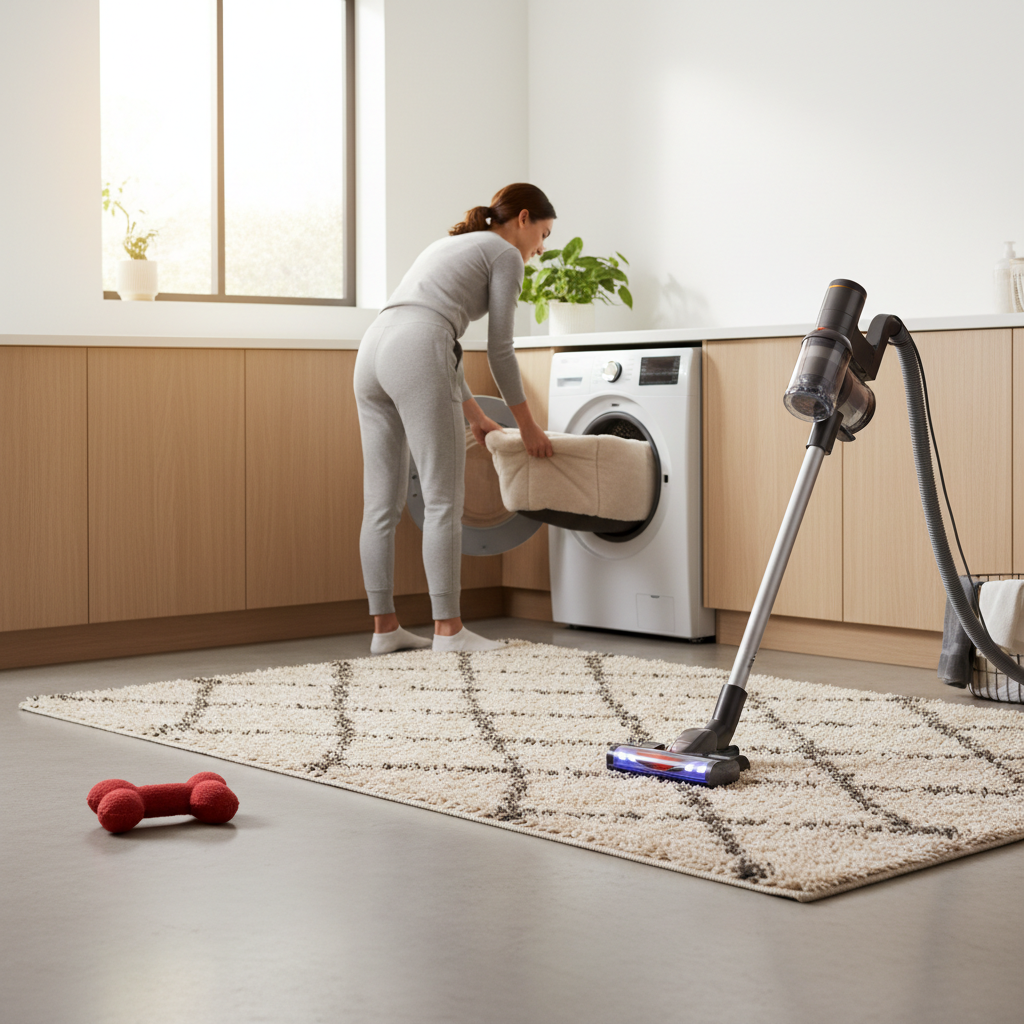
Step-by-step: the “reset” clean you do once, then maintain
If the smell has built up for months, start with a reset day. After that, maintenance becomes pretty light.
1) Remove hair first (or you smear the problem around)
- Vacuum with a pet brush roll if you have one, go slow on rugs and upholstery.
- Use a rubber broom or squeegee on carpeted stairs and low-pile rugs, it pulls embedded hair better than many vacuums.
- Clean the vacuum filter and canister, a funky vacuum can undo your work.
2) Wash what’s washable, then dry completely
- Dog bed covers, throw blankets, couch covers, slipcovers, washable rugs.
- Don’t forget leash handles, harnesses, and soft toys, they often smell stronger than you expect.
- Dry fully, lingering dampness can cause musty odor that reads as “dog smell.”
3) Treat “organic” odor with enzymes where needed
For urine, vomit, or drool spots, enzyme cleaners break down odor-causing proteins. Follow label dwell time and test on a hidden area. If you’ve tried enzymes and the smell still rebounds, it may have soaked under padding or into subflooring, that’s when extraction or professional help makes sense.
According to the U.S. Environmental Protection Agency (EPA), you should always follow product label directions and ensure good ventilation when using cleaning chemicals indoors, especially around kids and pets.
4) Clean floors and the low wall zone
- Hardwood, tile, vinyl: microfiber mop with a cleaner appropriate for your floor type, avoid over-wetting seams.
- Wipe baseboards and the first 12–18 inches of wall in dog traffic areas, oils transfer there.
- Wash entry mats and the area around water bowls.
5) Refresh air the practical way
- Replace HVAC filters on schedule, more often in heavy-shedding seasons.
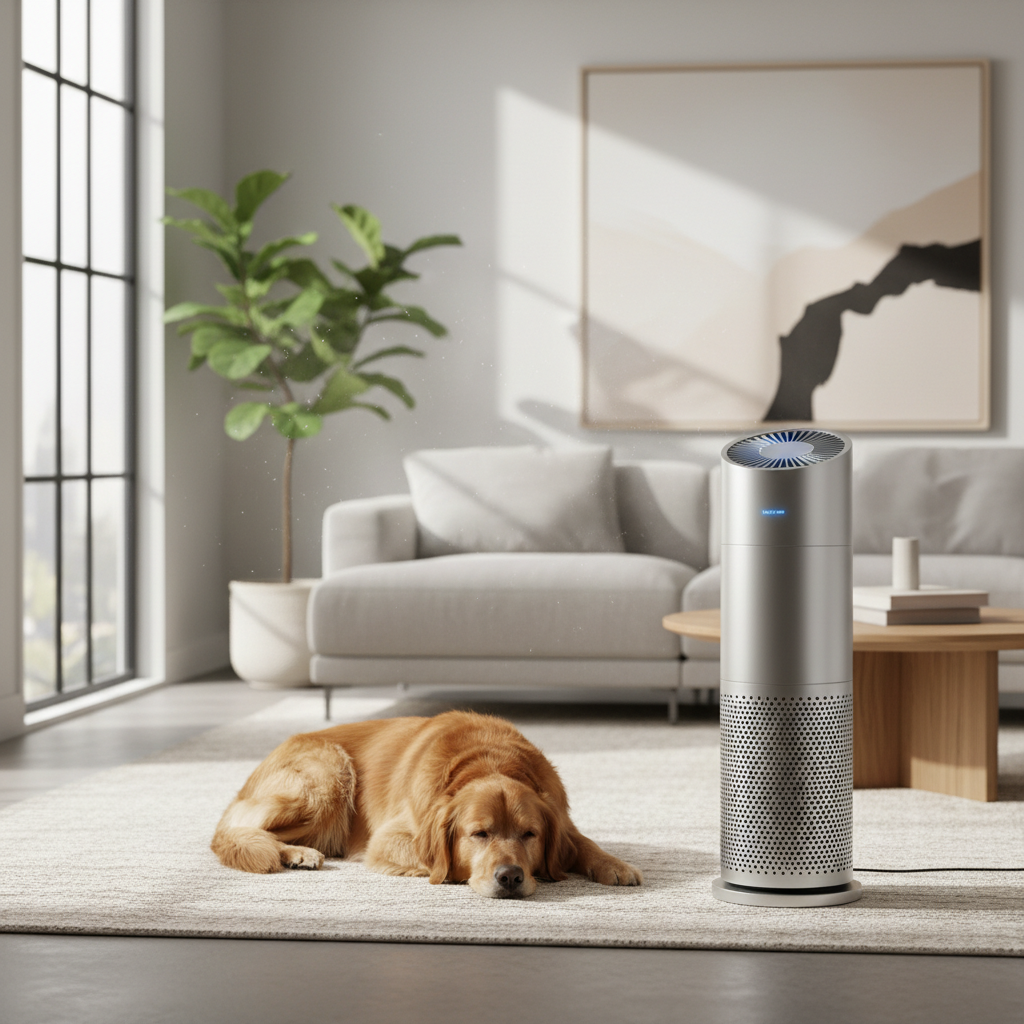
- Run a HEPA air purifier near the dog’s main hangout spot, not hidden in a corner.
- If you like scent, add it after odor removal, otherwise it becomes “perfume plus dog.”
Maintenance habits that keep the house from sliding back
The easiest home to keep fresh is the one where odor never gets a chance to build a thick layer. Small habits beat occasional cleaning marathons.
- Weekly bedding rotation: have two covers or beds so one can be washed while the other is in use.
- Paw and coat wipe-down: a quick wipe after rainy walks prevents that wet-dog smell from transferring to rugs.
- Brush more, bathe smarter: frequent brushing reduces dander indoors, bathing frequency depends on coat and skin sensitivity.
- Keep “dog zones” simple: fewer fabrics around the crate or favorite nap corner means fewer odor traps.
- Ventilation, but targeted: crack windows during and after cleaning, and use exhaust fans where moisture collects.
Common mistakes that make dog odor worse
A few popular “solutions” tend to backfire, either by locking odor in or adding a second smell on top.
- Overusing fragrance sprays: they mask for an hour, then mix with the underlying odor.
- Steam or heat on untreated urine: heat can set odors deeper into fibers in some situations.
- Skipping drying time: damp carpets, pads, and dog beds can turn into a musty problem.
- Mopping without hair removal: you end up spreading oils and wet hair around.
- Using the wrong cleaner for floors: some products leave residue that grabs dirt and smells faster.
When the smell signals a bigger issue (and who to call)
Sometimes the house smell is a clue, not just a nuisance. If your dog’s odor suddenly changes or gets strong quickly, it may be worth a vet check, issues like skin infections, ear infections, or dental problems can contribute to a stronger smell in many cases.
If odor persists after a reset clean, especially around one room or one patch of flooring, you may be dealing with soaked carpet pad, subfloor, or HVAC contamination. A certified carpet cleaning pro or restoration specialist can assess with moisture meters and extraction tools. For HVAC, an experienced HVAC technician can inspect returns, ducts, and filtration, and suggest options that fit your system.
Key takeaways you can use today
- Find the hotspot before you deep clean everything, dog beds, rugs, and baseboards are frequent culprits.
- Hair removal comes first, then washing, then odor-neutralizing where needed.
- Enzymes help for organic messes, but they need correct dwell time and full drying.
- Maintenance beats panic cleaning, rotate bedding, wipe paws, replace filters.
If you want one simple next step, wash the dog bedding and throws today, then vacuum the main rug slowly both directions tomorrow, that two-day combo fixes a surprising amount of “mystery” dog smell.
FAQ
How do I get rid of dog smell in house fast before guests arrive?
Focus on the biggest odor reservoirs, wash the dog bed cover and any throws your dog uses, vacuum upholstery and rugs, then wipe hard floors with a microfiber mop. A quick air purifier run near the living room helps more than heavy fragrance.
Why does my house smell like dog even after I vacuum?
Vacuuming removes hair, but odors often sit in oils on fabric and in floor residue. If bedding, couch arms, and baseboards stay untouched, the smell can bounce back quickly.
Does baking soda remove dog smell from carpet?
It can reduce mild odors, but it often underperforms on embedded pet smells and can be hard on some vacuums if overused. For recurring spots, an enzyme product is usually more effective.
What’s the best way to deodorize a dog bed without ruining it?
Wash removable covers as the label allows, and treat inner foam lightly with an enzyme spray, then air-dry thoroughly. If the foam holds odor for days, replacing the insert may be more realistic than repeated soaking.
How often should I bathe my dog to reduce house odor?
It depends on coat type, activity level, and skin sensitivity. Many owners do well with regular brushing and occasional baths, but if you’re unsure, a groomer or veterinarian can help set a schedule that avoids dry skin.
Will an air purifier get rid of dog smell in a house?
A HEPA purifier can reduce airborne dander and hair that carry odor, but it won’t remove smells embedded in rugs or bedding. It’s best used alongside cleaning, not as a replacement.
How do I remove dog smell from hardwood floors safely?
Use a microfiber mop and a floor-safe cleaner matched to your finish, and avoid over-wetting seams. If odor seems to come from one plank area, it may be a past accident that reached subfloor, a pro can help evaluate.
If you’re dealing with recurring odor in the same rooms and you’d rather not experiment with a dozen products, a targeted plan built around your dog’s habits, your flooring, and your HVAC setup can be a more straightforward way to get lasting results.