
How to help a dog with dry skin starts with two simple goals, calm the itch and figure out what keeps triggering it, because “dry” skin is often a mix of irritation, allergies, and grooming or diet issues rather than just a lack of moisture.
If your dog is scratching, licking paws, or leaving flakes on the couch, it matters for more than comfort, persistent itch can break the skin barrier, invite infection, and turn a small problem into a weeks-long cycle that’s hard to stop.
I’ll walk you through the common causes, a quick self-check you can do at home, practical steps that usually help in real households, and the signs that mean it’s smarter to call your veterinarian sooner.
Why dogs get dry, itchy skin (the real-world short list)
“Dry skin” is a symptom, not a diagnosis, so it helps to think in buckets, what changed, what’s seasonal, and what’s medical.
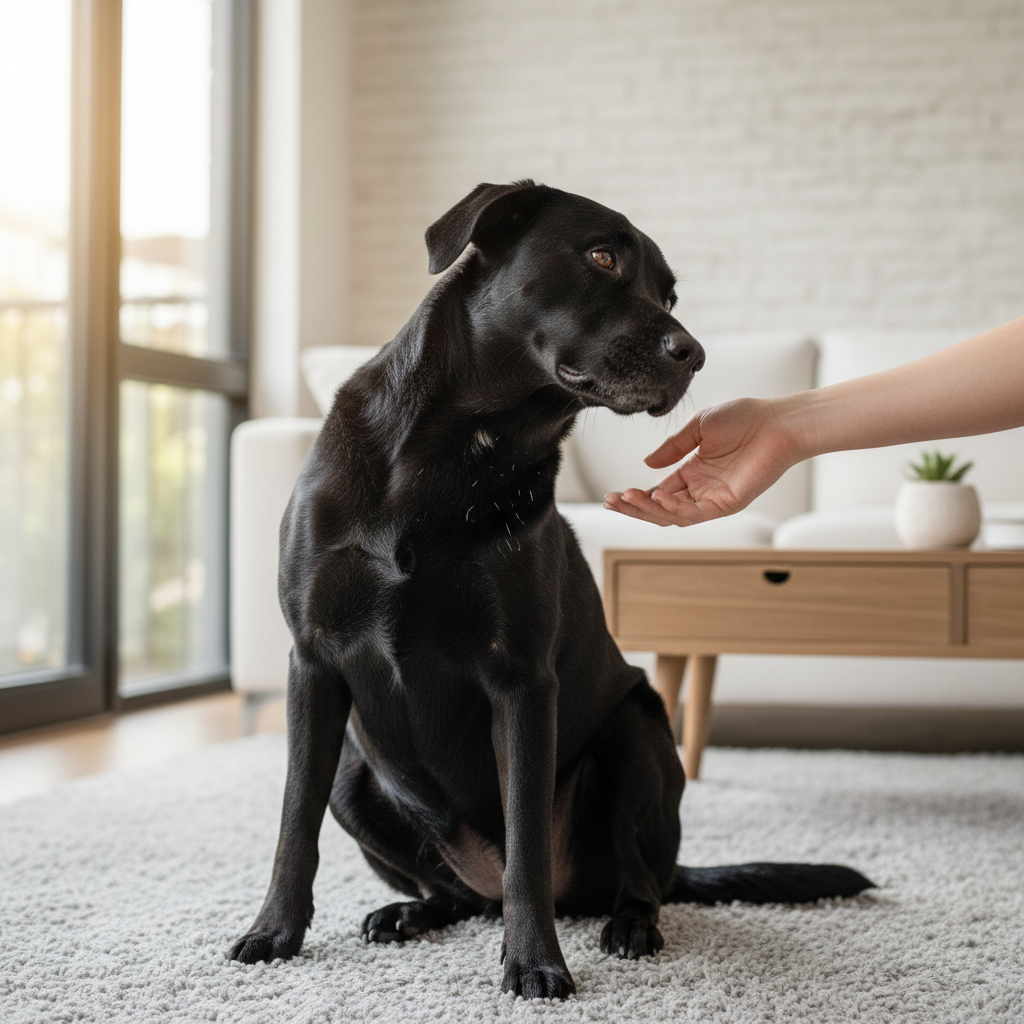
Common causes that often overlap:
- Environmental dryness (winter heat, low humidity) and frequent baths stripping oils.
- Allergies, especially environmental (pollen, dust mites, mold) or food-related, itching may show up as paw licking and ear issues too.
- External parasites like fleas and mites, even “indoor” dogs can get exposed, and some dogs react strongly to a single flea bite.
- Skin infections (bacterial or yeast), often secondary to allergies, look for odor, redness, greasy feel, or “hot spots.”
- Nutritional gaps or poor-quality fats in the diet, coat may look dull or brittle.
- Underlying conditions (hormonal or immune-related), less common, but important when the problem won’t budge.
According to the American Veterinary Medical Association (AVMA), skin disease is one of the most common reasons dogs visit the veterinarian, which tracks with how many different things can end up looking like “dry itchy skin.”
Fast self-check: what you can learn in 5 minutes
This is not a diagnosis, it’s a way to decide what to try first and what to avoid.
- Where is the itch? Back near tail suggests fleas, paws/face often point toward allergies, belly can be contact irritation or allergy.
- Any red bumps, scabs, or oozing? That raises concern for infection and needs quicker help.
- Look for “coffee ground” specks in the coat, wet them on a paper towel, reddish-brown staining can suggest flea dirt.
- Smell the skin, a musty or “corn chip” odor can happen with yeast overgrowth.
- Check ears, repeated head shaking or gunk often travels with allergy flares.
- Think timeline, new food, new shampoo, new laundry detergent, boarding, grooming, or a move can all be clues.
Key point: if your dog is scratching to the point of bleeding, has hair loss in patches, or seems painful, skip the DIY phase and call your vet.
Practical home steps that usually help (without making it worse)
When people ask how to help a dog with dry skin, they often jump straight to oils and supplements, but the fastest wins usually come from stopping ongoing irritation and rebuilding the skin barrier.
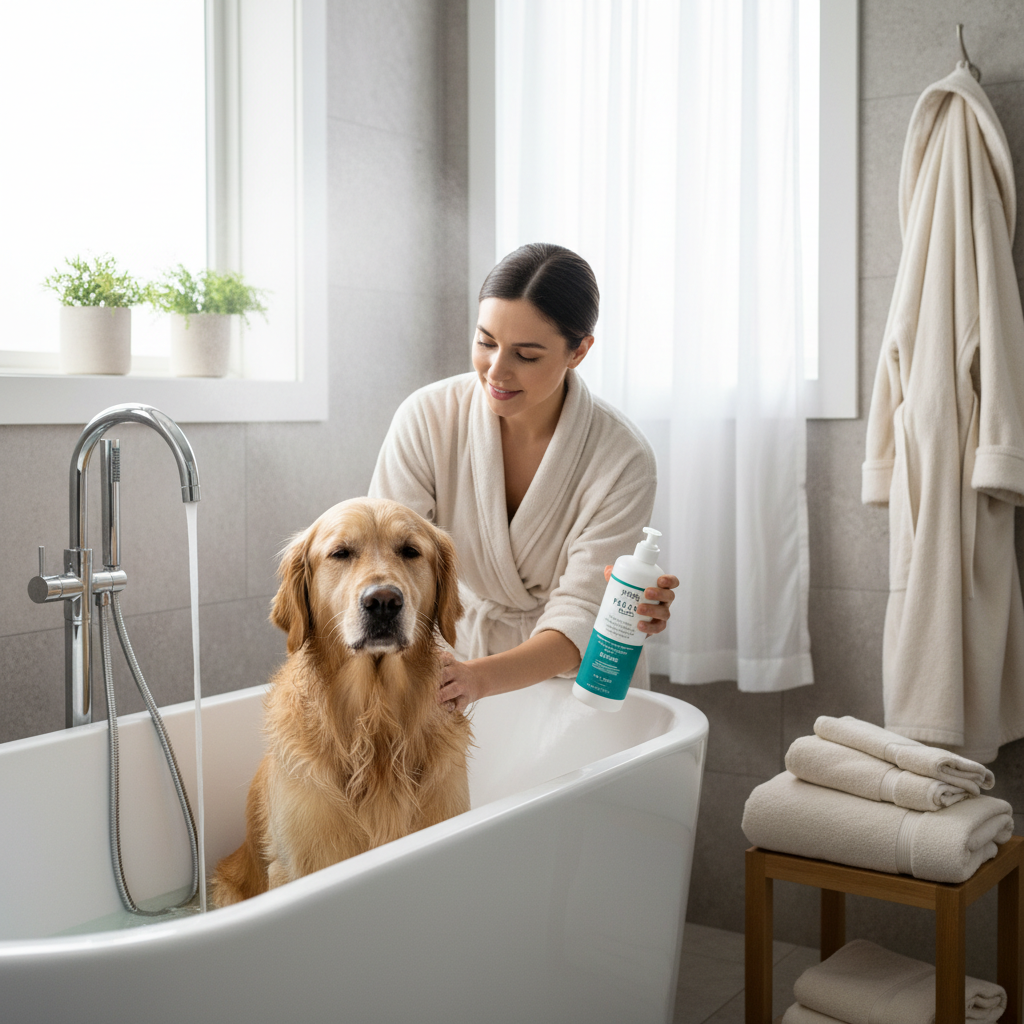
Adjust bathing and grooming
- Dial back bath frequency if you bathe weekly “just because,” many dogs do better with less frequent bathing unless medically needed.
- Use a dog-specific, fragrance-free shampoo, human shampoos are often too harsh for canine skin.
- Rinse longer than you think, leftover product can cause itch that looks like allergy.
- Try a leave-on conditioner or moisturizing rinse made for dogs, especially after medicated shampoos (ask your vet if you’re treating infection).
- Brush regularly to distribute oils and remove dander, but avoid aggressive deshedding tools on irritated skin.
Improve the indoor environment
- Consider a humidifier in winter, many households sit in very dry air.
- Wash bedding weekly in a gentle, fragrance-free detergent, rinse twice if possible.
- Wipe paws and belly after outdoor time during high pollen seasons, a damp cloth works.
Stop the itch-scratch spiral safely
- Use an e-collar or soft cone if licking becomes obsessive, it feels dramatic, but it prevents skin breakdown.
- Cool compress on small irritated areas can reduce itch temporarily, avoid ice directly on skin.
- Avoid essential oils unless specifically vet-approved, some are irritating or unsafe for pets.
Food, fatty acids, and supplements: what’s worth trying
Nutrition matters, but it’s rarely an overnight fix, give changes time and keep expectations reasonable.
Start with the basics: feed a complete and balanced diet from a reputable brand, “home-style” add-ons can accidentally dilute essential nutrients if they become a big part of the bowl.
- Omega-3 fatty acids (EPA/DHA) may support skin barrier and inflammation control, many vets recommend fish oil for itchy dogs, but dosing depends on size and product concentration.
- Novel protein or hydrolyzed diets can help when food allergy is suspected, but the trial has to be strict, meaning no flavored treats, no table scraps, and it typically runs weeks, not days.
- Probiotics may help some dogs with allergy-prone “skin-gut” issues, evidence varies by strain and product, so it’s a “maybe helpful,” not a guarantee.
According to the U.S. Food and Drug Administration (FDA), some pets have experienced adverse effects from certain supplements and foods, so it’s reasonable to check labels, start one change at a time, and ask your veterinarian if your dog has other health conditions or takes medication.
Which solution fits your situation? (Quick comparison table)
If you’re trying to decide what to do tonight versus what to plan for this month, this table keeps it simple.
| What you notice | Likely bucket | What to try first | When to escalate |
|---|---|---|---|
| Flakes, mild itch, worse in winter | Dry air / overbathing | Less bathing, moisturizing dog shampoo, humidifier | No improvement in 2–3 weeks |
| Paw licking, ear gunk, seasonal pattern | Environmental allergy | Paw wipe-downs, bedding hygiene, vet-approved allergy plan | Recurrent flares, head shaking, skin redness |
| Itch at tail base, tiny black specks in coat | Fleas | Vet-recommended flea prevention for all pets in home | Scabs, hair loss, ongoing itch after prevention |
| Greasy skin, odor, red patches | Yeast/bacterial infection | Vet visit, may need medicated shampoo or prescription meds | Any oozing, pain, fever, lethargy |
| Chronic itch with diet changes not helping | Complex allergy or medical issue | Vet workup, possible diet trial or dermatology referral | Any weight change, thirst changes, widespread hair loss |
Common mistakes that keep dogs itchy
These show up a lot, and they’re frustrating because they feel like you’re “doing something,” but the skin never settles.
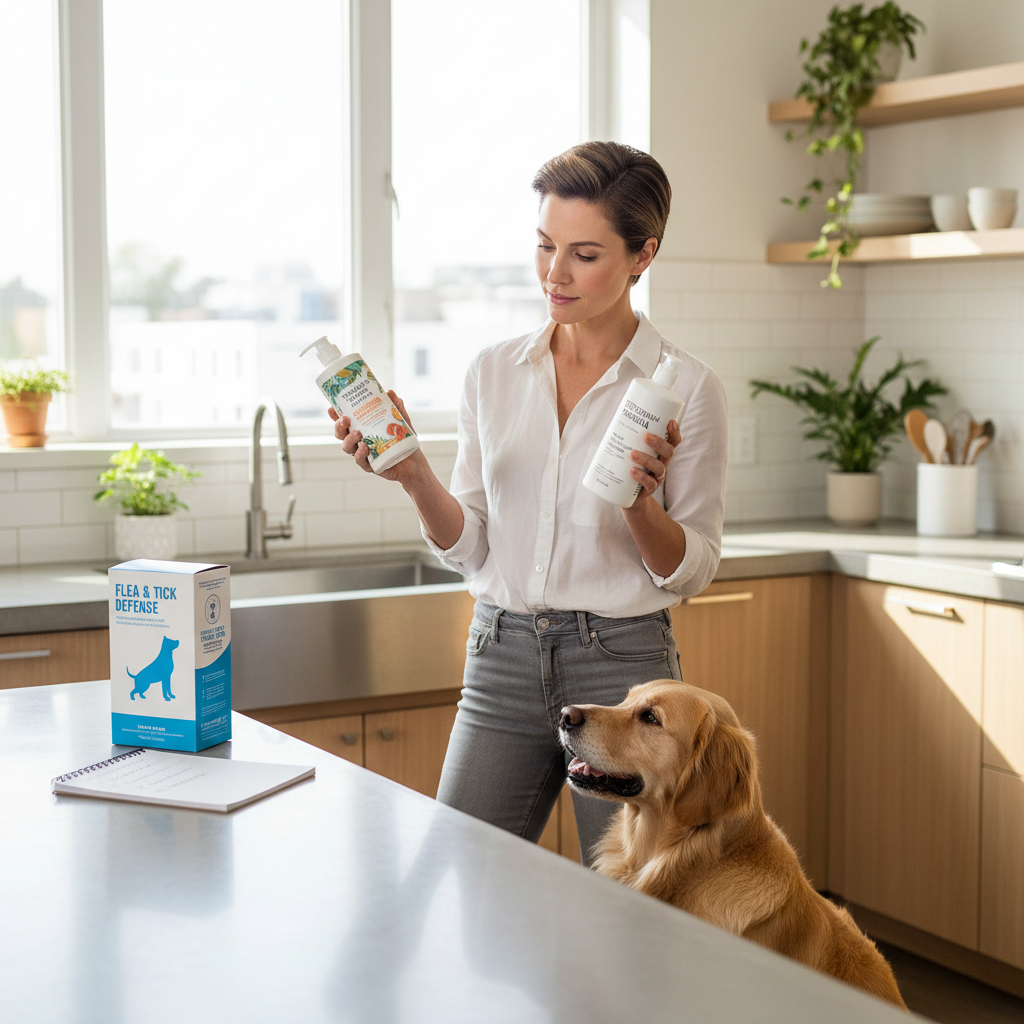
- Switching too many things at once, when you change diet, shampoo, supplements, and cleaning products together, you’ll never know what helped or harmed.
- Assuming “no fleas seen” means no fleas, many dogs groom them off, and flea allergy itch can be intense.
- Using harsh or scented products, fragrance, dyes, and strong degreasers can irritate already-inflamed skin.
- Skipping prevention during “off season,” in many areas, fleas and mites don’t read calendars.
- Human anti-itch creams without guidance, some ingredients are unsafe if licked, and licking is the default dog behavior.
When a vet visit is the smarter move
Home care is fine for mild, short-lived dryness, but itching can cross into medical territory fast.
Seek veterinary advice soon if you notice:
- Open sores, bleeding, swelling, or pus
- Strong odor, greasy coat, or rapidly spreading redness
- Hair loss in patches, thickened “elephant” skin, or darkening skin
- Head shaking, ear pain, or recurrent ear infections
- Itch that keeps your dog from sleeping or eating normally
- Symptoms in a puppy, senior dog, or immunocompromised pet
According to the American College of Veterinary Dermatology (ACVD), allergic skin disease is common and often needs a structured plan, which is why recurring “dry itchy skin” sometimes turns into a longer-term management project rather than a one-time fix.
Action plan: a simple 14-day reset you can actually follow
If you want a clean, low-drama way to test what helps, this kind of two-week reset tends to be realistic for most households.
- Days 1–3: Check flea prevention status, inspect skin, stop scented products, wash bedding, wipe paws after outside time.
- Days 4–7: Bathe once with a gentle dog shampoo, rinse thoroughly, brush lightly every other day.
- Days 8–14: If your vet agrees, start one supportive change such as omega-3s, and track itch level and skin appearance daily.
Keep notes. Write down where the itch happens, what you used, and whether the skin looks calmer, that record helps your vet if you need the next step.
Conclusion: calm the itch, then chase the cause
How to help a dog with dry skin comes down to resisting random fixes and instead doing a few targeted moves, reduce irritants, support the skin barrier, and watch for signs of allergy, parasites, or infection. If you pick one change at a time and track what you see, you’ll usually get a clearer answer faster, and your dog gets relief sooner.
If you’re unsure whether this is simple dryness or something more, a quick call to your veterinary clinic for guidance often saves money and time compared with weeks of trial and error.