
Cat bed washable large options sound simple, but the difference between “easy to clean” and “always looks dingy” usually comes down to the cover, the zipper, and what’s inside the cushion.
If you share your home with a shed-heavy cat, a senior with accidents, or a kitten who treats everything like a snack, washability stops being a nice-to-have. It becomes the reason you don’t dread laundry day, or that surprise smell when guests walk in.
This guide breaks down what “washable” really means in product listings, how removable covers hold up over time, and how to choose the right size and materials without overbuying.
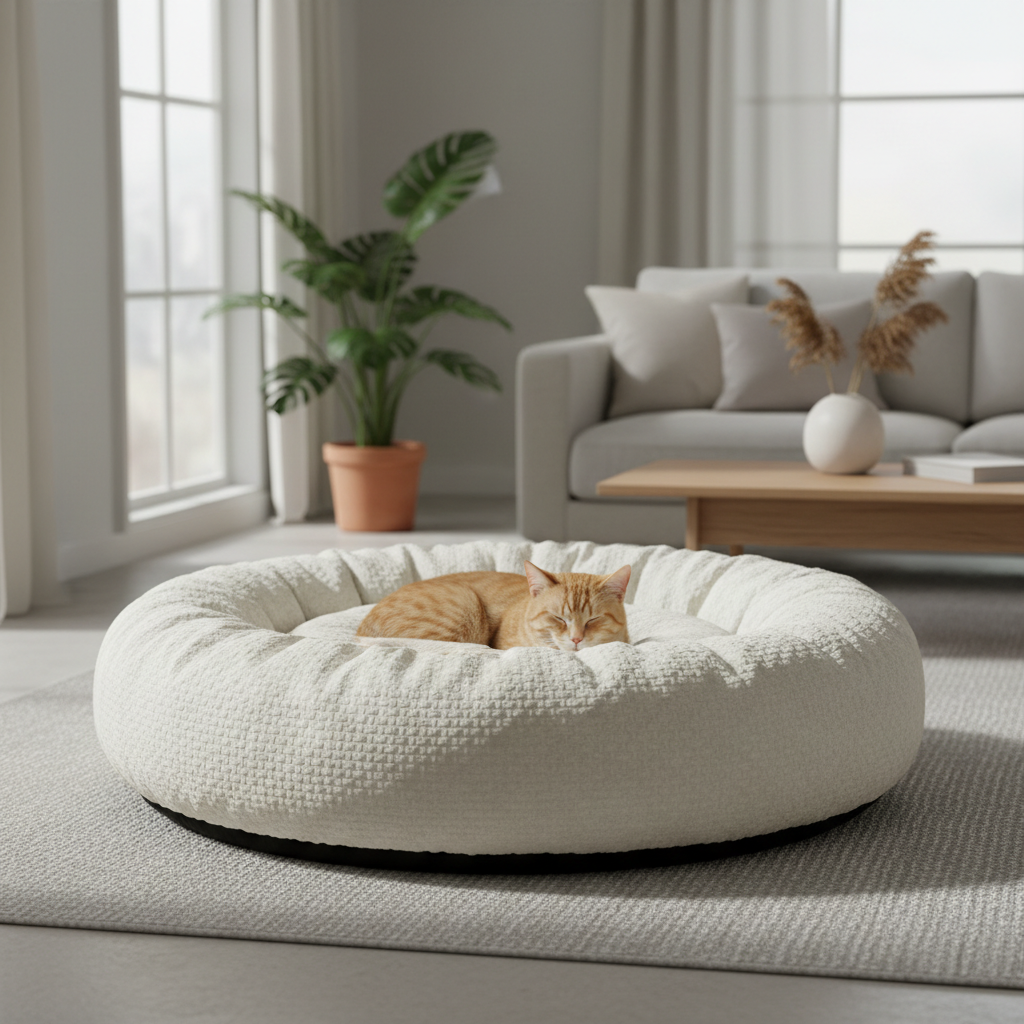
What “washable” usually means (and what it doesn’t)
Many listings say “washable” when only one part can go in the washer. In real homes, that detail matters because the part that gets gross first is usually the cover, not the foam insert.
- Machine-washable cover: The outer shell comes off and can be washed regularly. This is the most practical setup for most households.
- Spot-clean only insert: The inner cushion might be foam or fiberfill that can clump, warp, or trap moisture if washed.
- Fully washable bed: Sometimes possible with all-fiberfill designs, but drying can take longer, and the “loft” may fade sooner.
One more thing people miss: a bed can be technically washable and still be annoying, if the zipper is tiny, the cover shrinks, or the insert is hard to stuff back in.
Why “large” isn’t just about weight limits
With a large cat bed, the real question is how your cat sleeps. Some cats curl tight, others sprawl like they pay rent, and multi-cat households create their own physics.
- Sprawlers: Look for wider sleeping area, not just tall bolsters.
- Burrowers: Softer, plusher top layer matters more than the footprint.
- Older cats: A lower entry edge reduces awkward climbs and joint strain.
- Two-cat “sharing”: Size up even if each cat is small, because they rarely stack neatly.
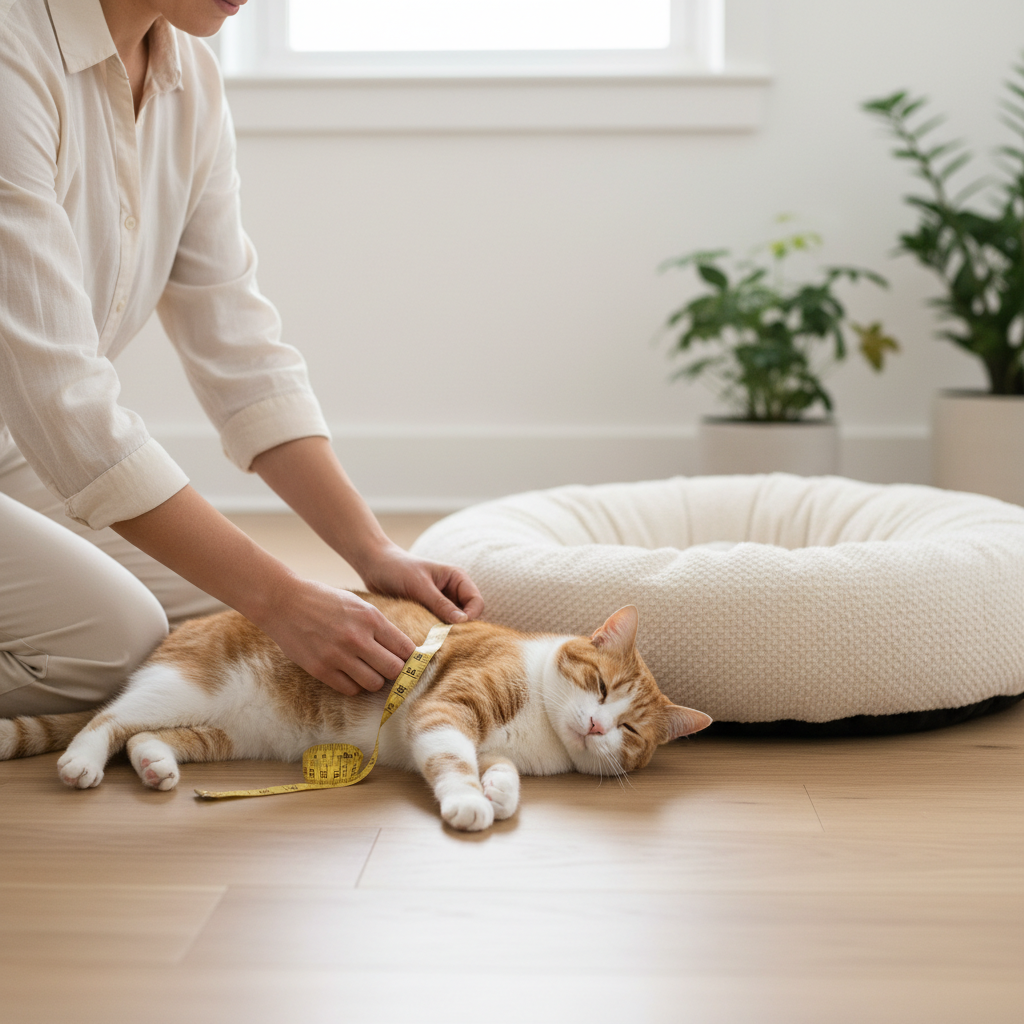
As a quick rule of thumb, measure your cat from nose to base of tail while they’re stretched out, then add a few inches. Many “large” beds still run smaller than people expect once bolsters take up space.
Removable cover: the make-or-break features
When shoppers regret a “cat bed washable large” purchase, it’s often because the removable cover looked good online but was frustrating in real use.
Zipper quality and placement
- Long zipper run: Makes removal easier, especially on thick inserts.
- Hidden zipper garage: Reduces snagging and helps avoid scratch interest.
- Stitching around the zipper: If it looks thin or wavy, it may fail after repeated cycles.
Fabric that survives claws and hot water (most of the time)
- Canvas or upholstery-style polyester blends: Often better for durability and hair release.
- Plush sherpa tops: Cozy, but they can hold hair and may matt down over time.
- Water-resistant liners: Helpful for accidents, but confirm if the liner is removable or integrated.
Hair management
Some fabrics “grab” fur. If you’ve ever tried to lint-roll fleece for 10 minutes, you already know. Smoother weaves usually release hair more easily in the wash, and they dry faster.
Quick self-check: are you buying the right washable bed?
If you want to avoid the common mismatch, run through this short list before you click “Buy.”
- My cat sheds a lot and hair builds up fast on soft fabrics.
- We’ve had occasional accidents, hairballs, or wet paws tracking in.
- I want to wash the cover weekly or every other week without it warping.
- I can realistically air-dry a large insert, or I prefer a cover-only wash routine.
- I need a non-slip bottom because the bed slides on hardwood or tile.
If you checked 3 or more, prioritize a removable cover with sturdy zipper construction and a fabric that releases hair well, then treat the insert as “protect and refresh,” not “wash constantly.”
How to wash a large cat bed (step-by-step, without wrecking it)
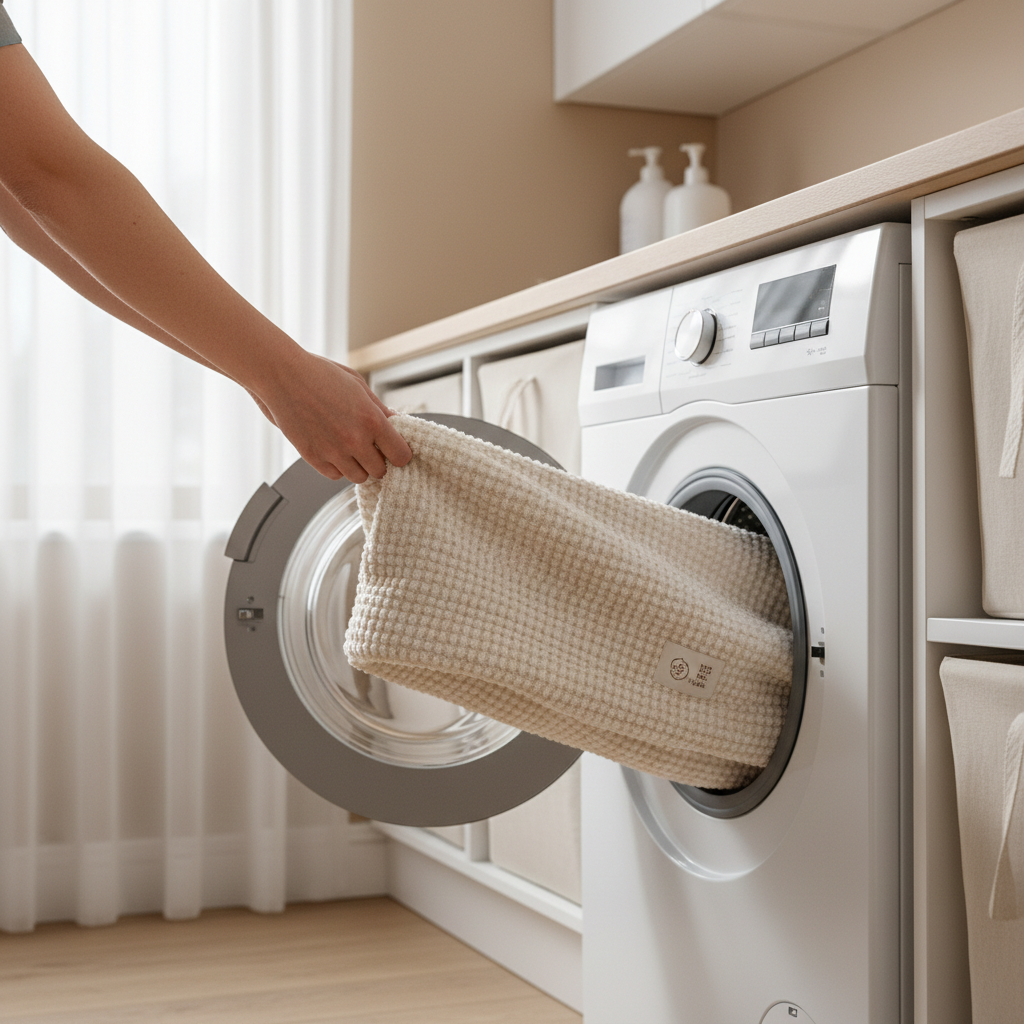
Washing is straightforward, but large beds fail when they stay damp too long, or when the cover shrinks and won’t go back on.
1) Prep before washing
- Shake out debris outdoors or over a trash bag.
- Vacuum the cover to remove hair, this improves wash performance.
- Close zippers and turn the cover inside out to protect the surface.
2) Choose settings that are kind to seams
- Water temperature: Cold or warm usually works; hot can shrink some covers.
- Cycle: Gentle or normal, depending on fabric thickness.
- Detergent: Mild, fragrance-free is often easier on sensitive cats.
According to ASPCA, cats can be sensitive to certain smells and chemicals, so avoiding heavily fragranced laundry products can be a safer default, especially if your cat already sneezes around perfumes.
3) Drying without trapped moisture
- Cover: Tumble dry low if the label allows, or air-dry flat to reduce shrink risk.
- Insert: If washable, dry thoroughly. Moisture trapped inside thick filling can create odor and may encourage mold.
If you’re unsure whether the insert dried fully, give it extra time. This is one of those boring steps that prevents 90% of “why does it smell again?” complaints.
Choosing materials: comfort vs. cleaning vs. durability
There’s no single “best” fabric, but you can choose based on what you’re optimizing for. Here’s a practical comparison that matches how most people live with cats.
| Material / Feature | Comfort feel | Hair release | Durability | Best for |
|---|---|---|---|---|
| Canvas / woven polyester | Medium | Good | High | Heavy shedders, frequent washing |
| Plush fleece / sherpa | High | Fair | Medium | Cold rooms, cats that knead |
| Microfiber | Medium-high | Medium-good | Medium-high | Balanced comfort and cleaning |
| Water-resistant liner (inside) | Depends on top layer | N/A | Medium | Accidents, senior cats, kittens |
Key point: If “washable” is your top priority, prioritize the cover fabric and zipper, then treat plushness as a bonus you can add with a throw blanket on top.
Common mistakes that make washable beds feel not-so-washable
- Waiting too long between washes: Oils and dander build up, then you need harsher cycles that wear the cover faster.
- Using strong scent boosters: Some cats avoid beds that smell “off,” and you end up thinking they hate the bed.
- Washing the insert too often: Many inserts lose shape, then the bed feels flat even if the cover looks new.
- Buying oversized without checking washer capacity: A large cover can be fine, but bulky inserts may not fit home machines.
If your cat stops using the bed after washing, try rinsing again without detergent and fully air-drying. When in doubt, a vet or a feline behavior professional can help you rule out stress or health discomfort that looks like “pickiness.”
Practical buying checklist (printable mindset)
Before you choose your next large washable bed, this is what I’d keep in your notes app.
- Removable cover: Yes, with a long zipper and solid stitching
- Wash instructions: Cover machine-washable; insert washable only if truly easy to dry
- Bottom: Non-slip, especially for tile/hardwood
- Inner support: Enough loft for comfort, especially for older cats
- Size: Measured to your cat’s stretched length, not the label
Choose for your reality: if you’re doing laundry weekly, optimize for easy cover removal and fast drying, not a complicated “luxury” build that becomes a chore.
Conclusion: what to look for, then what to do next
A cat bed washable large enough for real life usually means a removable cover that’s easy to take off, a fabric that doesn’t hoard hair, and an insert that keeps shape even if you don’t wash it constantly. If you’re deciding today, start by measuring your cat’s stretched length, then narrow to beds with a durable zipper and clear care instructions.
If you want a low-effort next step, pick one day a week as “cover wash day,” vacuum the bed midweek, and you’ll keep odors and fur under control without over-washing the filling.