
Aquarium water test kit use gets “easy” when you know what you’re actually looking for, and you stop chasing random numbers. Most fish losses that feel sudden have a slow lead-up, small shifts in ammonia, nitrite, pH, or temperature that nobody noticed until the tank crashed.
If you keep fish in the U.S., you’ve probably heard a dozen opinions: test every day, never test, strips are trash, liquids are the only way. The truth sits in the middle, because the right testing routine depends on whether your tank is brand-new, stocked heavy, planted, or running steady for months.
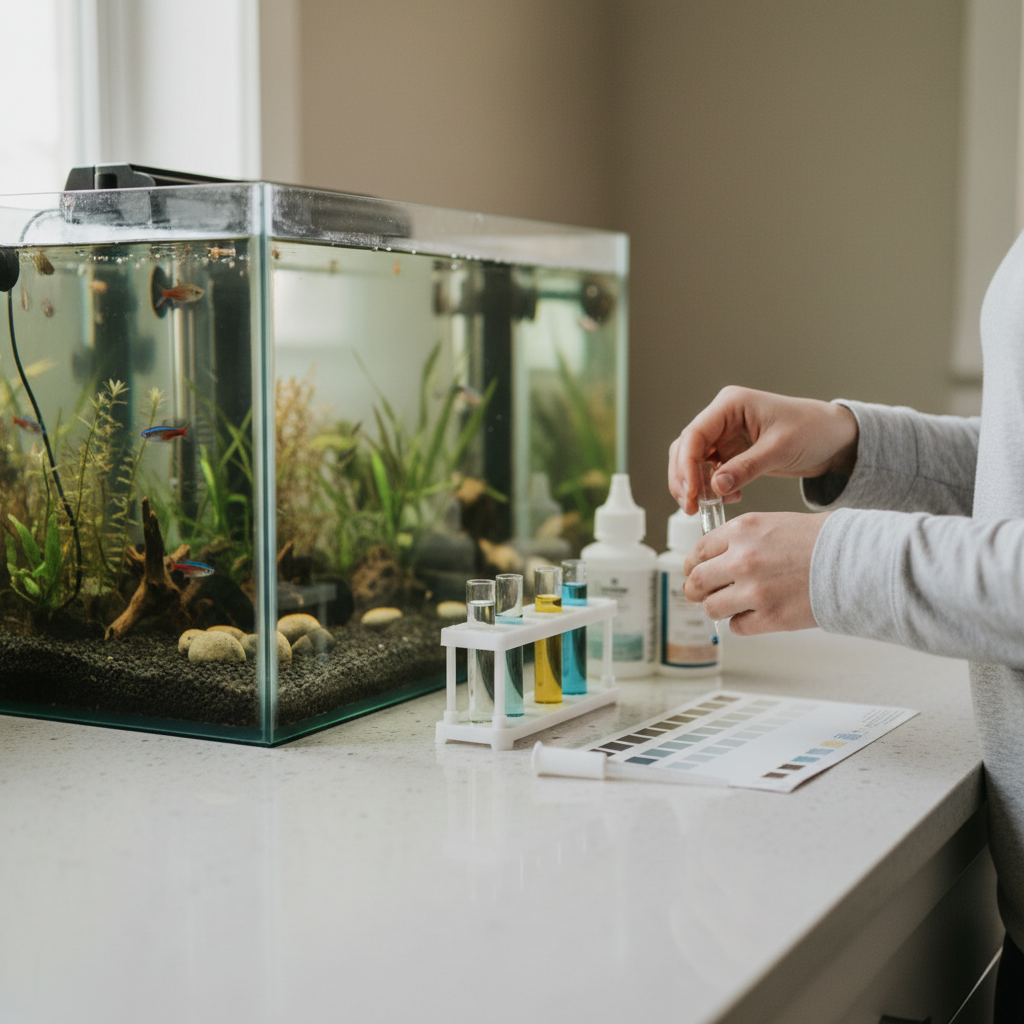
This guide breaks down what to test, how to pick an easy kit, how to get reliable readings without turning it into a science project, and what to do when numbers come back “off.” You’ll also get a quick table you can screenshot for common ranges.
What an “easy” aquarium water test kit should do for you
Ease of use is not just fewer steps, it’s fewer chances to misread the result. A good kit helps you answer two practical questions: “Is anything harming my fish right now?” and “Is my tank trending toward trouble?”
- Fast enough that you actually use it, because an unused kit is the worst kit.
- Clear color matching with a chart that’s readable in typical indoor lighting.
- Covers the right parameters for your setup, not a random pile of tests you never need.
- Repeatable results from one test to the next, so you can spot trends.
According to the U.S. Environmental Protection Agency (EPA), ammonia and nitrite are key nitrogen-cycle pollutants that can be toxic at elevated levels, so for most community tanks those two are not optional tests, especially in newer tanks.
What to test (and what you can usually skip)
If you feel overwhelmed, simplify your target list. Most day-to-day issues in freshwater tanks tie back to the nitrogen cycle, pH stability, and nitrate creep. Saltwater adds more nuance, but even there, the “core trio” still matters.
Core tests most hobbyists benefit from
- Ammonia (NH3/NH4+): early warning for cycling problems, overfeeding, dead spots in filtration.
- Nitrite (NO2-): common in new tanks and after filter disruption.
- Nitrate (NO3-): long-term buildup, guides water change frequency.
- pH: less about chasing a perfect number, more about avoiding swings.
Situational tests that matter in specific setups
- KH (carbonate hardness): helps explain pH instability, common in soft-water areas.
- GH (general hardness): relevant for livebearers, shrimp, and plant health.
- Chlorine/chloramine: useful if you suspect dechlorinator issues or water supplier changes.
If you’re running a stable, lightly stocked freshwater tank, you can often test GH/KH monthly or when something changes, not every week. But ammonia and nitrite stay on the “don’t skip” list when the tank is new or acting weird.
Test strips vs. liquid kits: what’s easier, what’s more reliable
People argue about this because they’re solving different problems. Strips are convenient for quick screening. Liquid kits are slower but can be easier to trust when you need a decision-quality number.
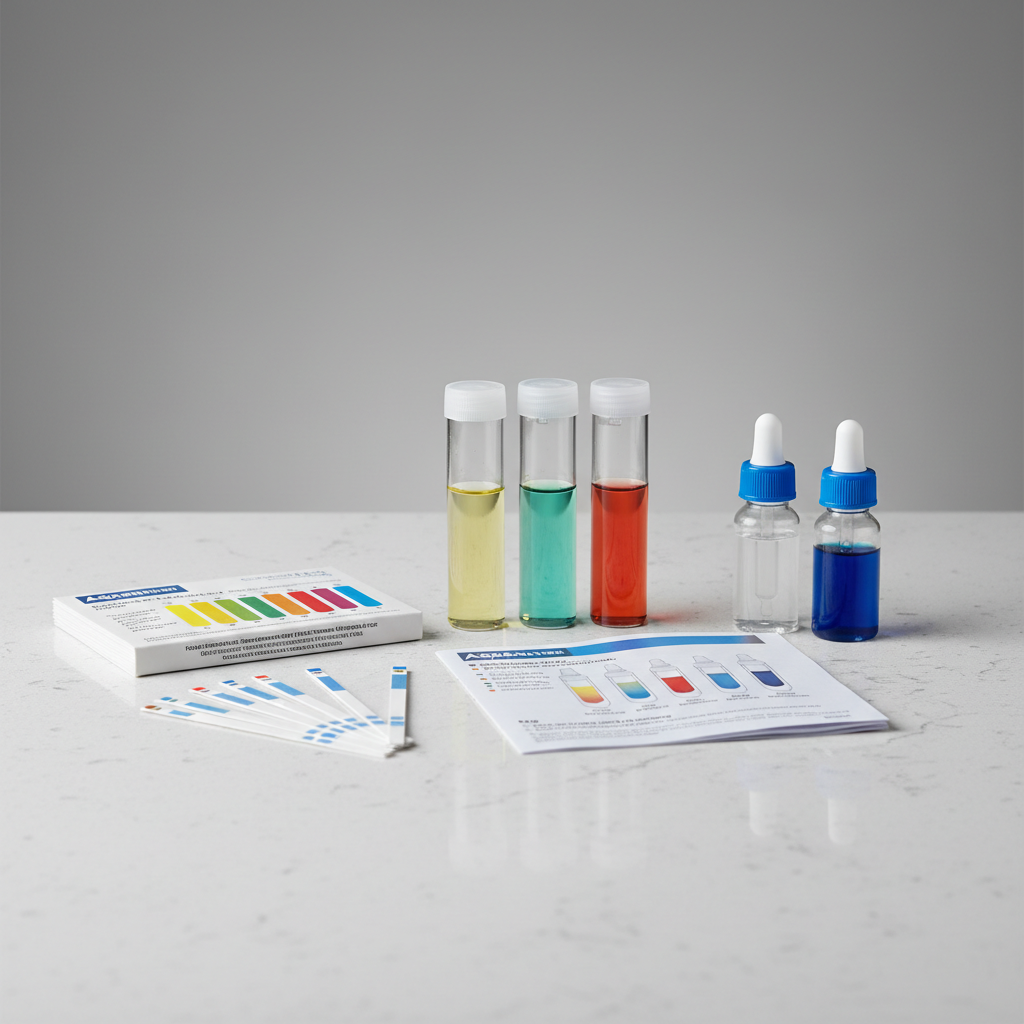
Quick comparison table
| Feature | Test Strips | Liquid Reagent Kits |
|---|---|---|
| Time to run | Very fast (seconds to minutes) | Slower (minutes, multiple steps) |
| Best use | Routine checks, spotting trends | Confirming a problem, cycling a tank |
| Common failure points | Humidity, reading window timing, color ambiguity | Under-shaking bottles, wrong drops, dirty vials |
| Confidence for “big decisions” | Medium, varies by brand and storage | Usually higher when used correctly |
My practical take: strips can be “easy” for weekly habits, but when fish are stressed, when a tank is cycling, or when you suspect ammonia, a liquid-style aquarium water test kit often saves you from guessing.
A quick self-check: which testing routine fits your tank?
Before you buy another kit, figure out what phase you’re in. This is where most people waste money, they’re testing the wrong things at the wrong frequency.
- Brand-new tank (0–6 weeks): test ammonia and nitrite often, nitrate weekly, pH/KH as needed.
- Recently added fish or increased feeding: test ammonia/nitrite for a few days, then taper.
- Stable tank, no recent changes: nitrate weekly or biweekly, ammonia/nitrite when something looks off.
- Algae spike: nitrate and phosphate may matter, but don’t ignore basic filtration and light schedule.
- Fish acting “off”: test ammonia/nitrite immediately, then nitrate and pH to understand context.
Key point: if you only test when there’s a crisis, you miss the trend line. A simple habit, same day each week, often beats “intense testing” twice a year.
How to get accurate results (without turning your kitchen into a lab)
Most inaccurate readings come from tiny process mistakes. Fix those and nearly any decent kit becomes easier to live with.
Setup habits that reduce errors
- Use clean, dedicated vials, and rinse with tank water before filling for the test.
- Match colors under consistent light, near a window or a bright white lamp, not under blue aquarium LEDs.
- Time matters: strips have a narrow read window, liquid tests often need a full develop time.
- Cap and invert when instructed: some reagents need thorough mixing, quick swirls can under-read.
A simple “two-step confidence check”
- If a reading looks scary, retest once right away, same method, same sample source.
- If it still looks scary, confirm with a different method (strip vs liquid) or test your tap water for comparison.
According to the American Veterinary Medical Association (AVMA), stress is a major factor in animal health, and in aquarium fish that stress often comes from unstable water quality rather than a single dramatic event. So consistency in testing is not busywork, it reduces stress triggers.
What the numbers usually mean (and what to do next)
Exact “perfect” ranges depend on species and water source, so treat this as a starting map, not a scoreboard. The more useful goal is stable and non-toxic.
| Parameter | Common target in many freshwater community tanks | If it’s high, often points to |
|---|---|---|
| Ammonia | 0 ppm | Overfeeding, cycling, dead livestock, filter disruption |
| Nitrite | 0 ppm | Cycle not established, recent medication, new filter media |
| Nitrate | Often kept lower via water changes | Too much waste, not enough water changes, weak plant uptake |
| pH | Stable range suited to your fish | Low KH, driftwood/soil effects, tap water variability |
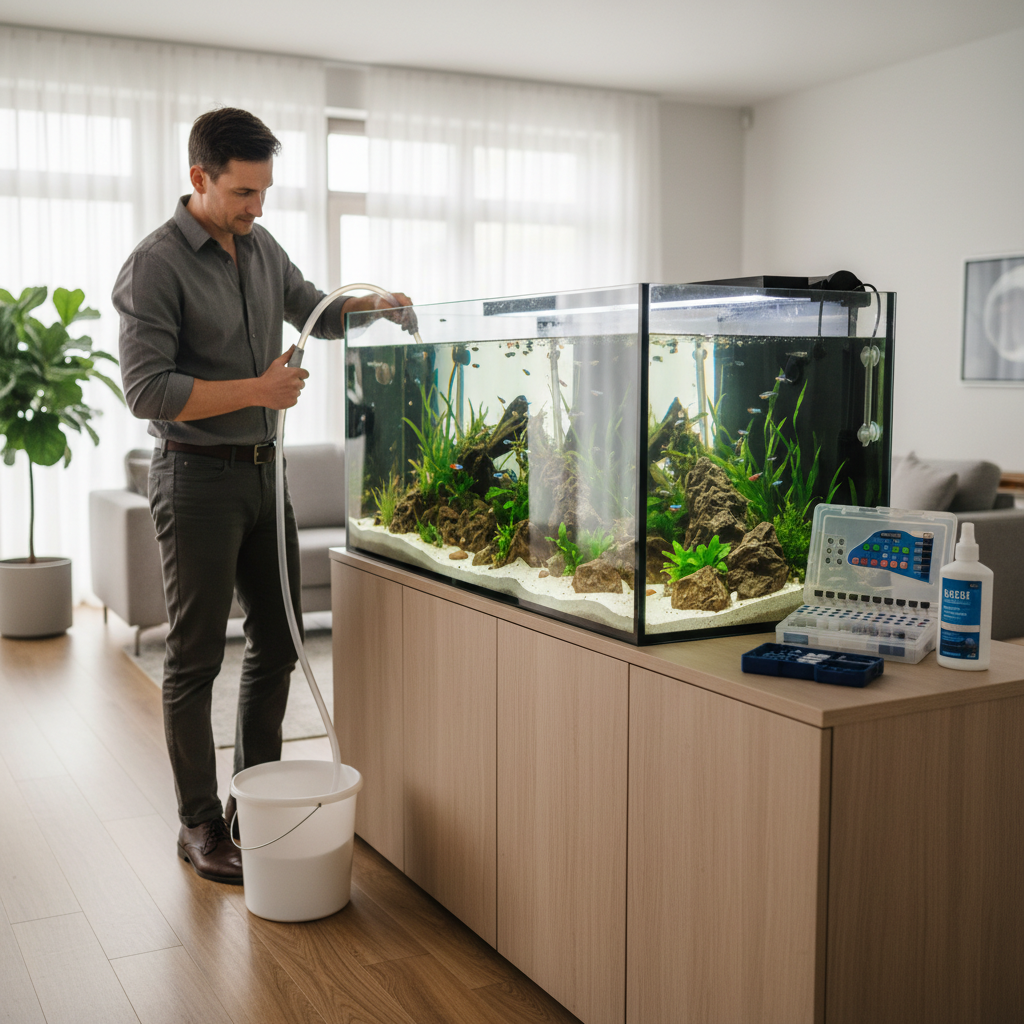
Practical response playbook
- Ammonia or nitrite above zero: pause feeding for 24–48 hours, do a partial water change, check filter flow, and avoid replacing all media at once.
- Nitrate trending up: increase water change volume or frequency, reduce feeding slightly, vacuum detritus where it collects.
- pH swing: stop adding “pH up/down” products as a first reaction, check KH, and look for what changed (new substrate, new driftwood, tap water shift).
If fish show severe symptoms (gasping at the surface, rolling, rapid gill movement), testing is important but not sufficient. In those cases, it may be worth consulting an aquatic veterinarian or an experienced local fish store, because disease and toxin exposure can look similar.
Buying tips: choosing an easy kit that matches your real life
When someone says “easy,” they usually mean “I can do it while dinner is cooking.” So shop for friction, not features.
- Pick the format you’ll use: strips for weekly habit, liquids for troubleshooting, or both if budget allows.
- Check what’s included: ammonia and nitrite should be clearly listed, not hidden behind “multi-test.”
- Look at storage reality: if your bathroom gets steamy, strips can degrade faster; a dry cabinet helps.
- Prefer readable charts: larger color blocks and clear timing notes reduce mistakes.
- Don’t overbuy: a huge kit that expires half-used is more expensive than it looks.
For many households, a “two-tier” setup works: a simple strip pack for routine checks, plus a small liquid aquarium water test kit for ammonia/nitrite confirmations when the tank feels unstable.
Common mistakes that make testing feel hard (and how to avoid them)
A lot of frustration is self-inflicted, usually from trying to fix the number instead of fixing the cause.
- Chasing pH daily: stability matters more than a textbook value for many hardy species.
- Replacing all filter media: this can remove beneficial bacteria and cause ammonia/nitrite spikes.
- Testing right after dosing products: conditioners and medications can interfere with some readings, so follow label guidance and retest later.
- Reading colors under blue LEDs: you’ll “see” problems that aren’t there, or miss ones that are.
- Ignoring temperature and oxygen: water chemistry is not the whole story, especially in summer heat.
Conclusion: make water testing small, consistent, and decision-focused
An easy routine is the one you repeat, and the best use of an aquarium water test kit is not proving your tank is perfect, it’s catching drift early. If you take one action this week, set a recurring 10-minute check for nitrate plus a quick look at fish behavior, then keep ammonia and nitrite tests ready for “something changed” moments.
If you want a second action, write down your last three readings. Trends beat single numbers, and your future self will thank you when you’re trying to figure out what shifted.
FAQ
How often should I use an aquarium water test kit in a stable tank?
Many stable freshwater tanks do fine with weekly or biweekly nitrate checks, then ammonia and nitrite tests only when something changes, like new fish, filter issues, or odd behavior.
Are aquarium test strips accurate enough for beginners?
They can be useful for routine screening if you store them dry and read them at the correct time, but for ammonia or cycling problems, a liquid test often provides more confidence.
Why do my readings change when I retest the same water?
Small differences in timing, lighting, mixing, or even residue in the vial can shift results. Retest once under consistent light, and consider confirming with another method if the number drives a big decision.
What parameters should a freshwater community tank prioritize?
Ammonia, nitrite, nitrate, and pH cover most real-world issues. GH and KH become more important with shrimp, livebearers, or when pH swings show up.
Should I test tap water or only aquarium water?
Testing tap water occasionally helps you understand your baseline, especially if your water supplier changes seasonally. It’s also a good troubleshooting step when your tank readings look surprising.
My ammonia reads 0.25 ppm but fish look fine, what should I do?
First confirm the reading, because low-level ammonia results can be tricky depending on test type and conditions. If confirmed, reduce feeding, check filtration, and consider a partial water change while you watch for trends.
Do water conditioners affect test results?
Some products may interfere with certain tests or temporarily change the form of nitrogen compounds. If you just dosed conditioner, follow the kit guidance and retest later rather than assuming the first result is final.
If you’re trying to keep testing simple but still want dependable decisions, consider building a small routine around one quick weekly check plus a backup confirmation method, it’s usually the least stressful way to use your kit without overthinking the tank.