
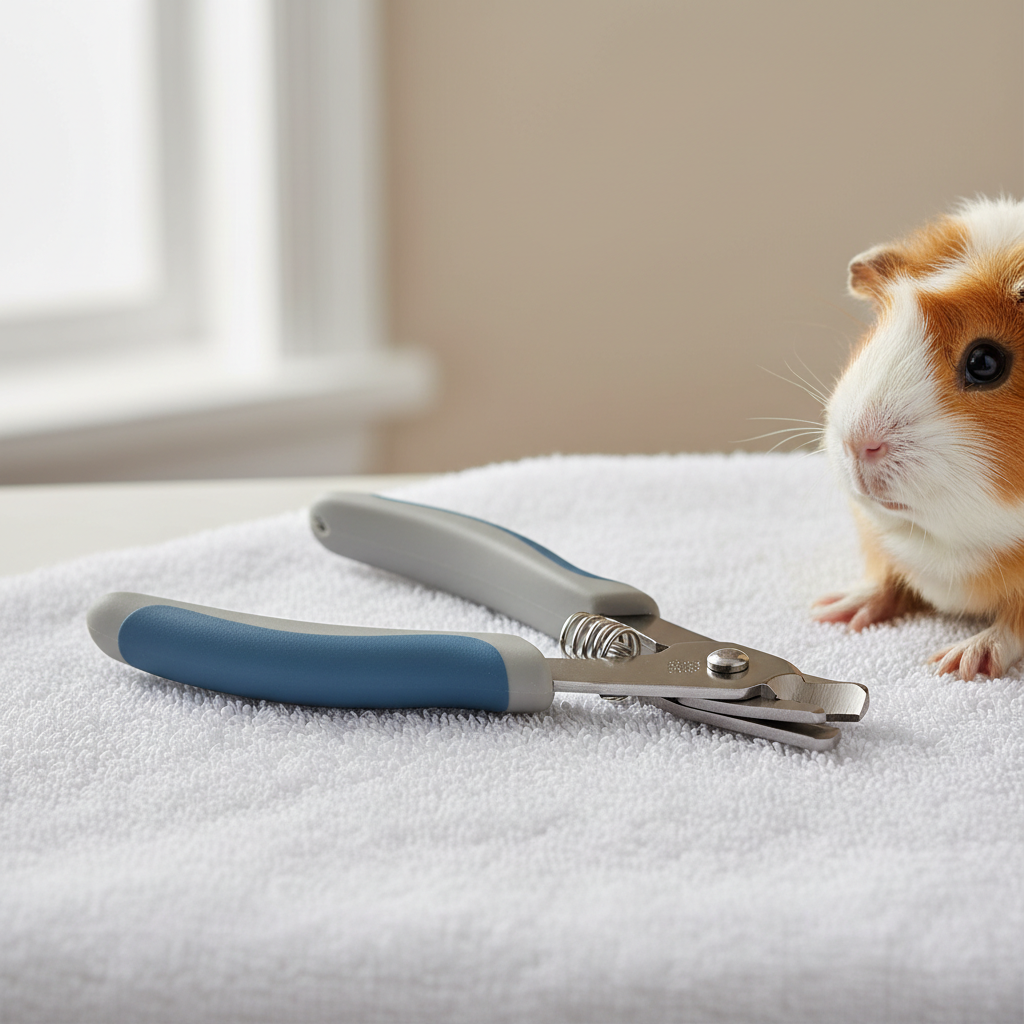
Guinea pig nail clipper small is usually the right starting point when you want a cleaner cut with less squeezing, especially if your guinea pig has thin, curved nails or you’re still building confidence.
If you’ve ever clipped too close, watched a nail splinter, or had your guinea pig yank a foot away at the worst time, you already know nail trims are less about bravery and more about setup. The tool matters, but so does the angle, the light, and how you hold the paw.
This guide helps you choose a genuinely safe small clipper, quickly assess what your pet actually needs, and trim with fewer surprises. I’ll also call out the common “fixes” that waste time, plus when it makes sense to ask a professional for help.
Why size and safety matter with guinea pig nail tools
Guinea pig nails are small, but they’re not “fragile like a kitten” in the same way. Many pigs have nails that curve and thicken with age, and the quick (the blood vessel inside) can extend farther forward if trims happen rarely. That combo makes big clippers feel clumsy.
A small clipper can help because it tends to:
- Fit the nail better, which reduces side-to-side twisting
- Encourage smaller, safer cuts instead of one big chop
- Give you better visibility around the quick, especially on dark nails
But “small” isn’t automatically “safe.” Dull blades, misaligned jaws, or spring tension that makes you squeeze too hard can still cause cracking. According to the American Veterinary Medical Association (AVMA), safe routine care and low-stress handling reduce injury risk and help pets tolerate grooming better.
Common reasons nail trims go wrong (even with a small clipper)
When people blame the clipper, the real culprit is often one of these:
- Wrong cut angle: cutting flat across can pinch; a slightly angled cut usually follows the nail’s shape better
- Too much nail at once: taking a thin slice is boring, but it’s how you avoid quicking
- Low light: bathroom lighting often lies; a bright lamp aimed at the paw is a small upgrade that changes everything
- Wiggly restraint: if your grip shifts mid-cut, even perfect blades can split the nail
- Dull tool: squeezing harder increases stress and makes the cut rough
One more honest factor: if you’re nervous, your hands get slower. Guinea pigs read hesitation fast, then the feet start pulling away. Your goal isn’t “zero movement,” it’s predictable movement.
Quick self-check: do you need a small clipper, a different style, or a groomer?
Use this as a fast decision filter before you buy anything.
- You likely benefit from a small clipper if nails are thin/medium, you want precise control, and you’re doing frequent small trims.
- You may prefer small scissor-style clippers if you struggle with pressure control and like a “snip” feel.
- You may need a stronger tool or pro help if nails are very thick, corkscrew-shaped, or your guinea pig panics hard enough to risk injury.
Red flags where it’s smart to pause: nails growing into pads, repeated bleeding, swollen toes, or limping. Those aren’t “just long nails” problems anymore.
Choosing a guinea pig nail clipper small: what to look for
Skip the marketing words and look at build details. A solid guinea pig nail clipper small usually checks most of these boxes:
- Sharp, aligned blades: when closed, the cutting edges meet cleanly without a gap
- Comfortable handles: less hand strain means steadier cuts
- Spring that isn’t too stiff: you should not feel like you’re crushing the nail
- Non-slip grip: helpful if your hands get sweaty (it happens)
- Easy to clean: a quick wipe-down after each session keeps the tool smooth
About nail guards: some clippers include a little guard meant to prevent deep cuts. In real life, guards can block visibility on tiny nails. Many owners remove or ignore them, but if you’re new, it can still act as training wheels.
Small clipper vs small grinder: a practical comparison
Grinders can work, but noise and vibration stress many guinea pigs. Here’s a quick way to choose:
| Option | Pros | Cons | Best for |
|---|---|---|---|
| Small clipper | Fast, quiet, inexpensive, easy to aim | Can quick if you cut too much; dull blades split | Most routine trims at home |
| Small scissor-style clipper | Great control; snips feel lighter | Can be awkward on thick nails | Nervous hands, thin nails |
| Pet nail grinder | Gradual shaping; less chance of one big mistake | Noise/vibration; takes longer; heat if overused | Desensitized pets, owners comfortable with tool |
Step-by-step: safer trims with less stress (at-home routine)
This is the workflow that tends to reduce chaos. Not fancy, just reliable.
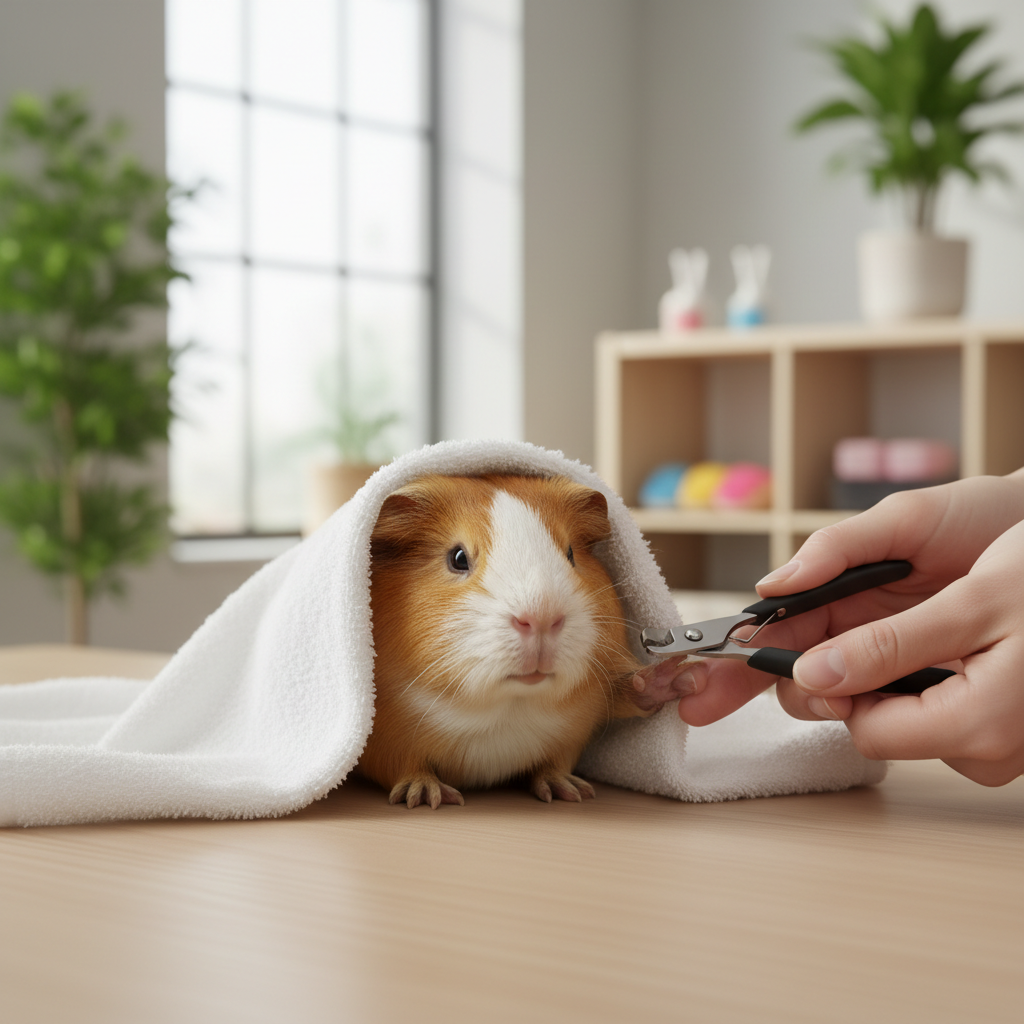
- Pick your spot: table height, towel down, lamp aimed at the paw, everything within reach
- Secure gently: a towel wrap can limit surprise launches; keep chest supported
- Find the quick: on light nails it’s visible; on dark nails, assume the quick runs farther than you hope
- Take tiny cuts: trim a thin slice, check, then repeat, this is where a small clipper shines
- Angle slightly: follow the nail curve; avoid crushing pressure
- Reward quickly: small treat, then back to trimming, short sessions beat wrestling matches
If you’re unsure where to stop, stop earlier. Frequent mini-trims (weekly or every other week, depending on growth) often bring the quick back gradually, while rare big trims tend to keep it long.
What if you hit the quick?
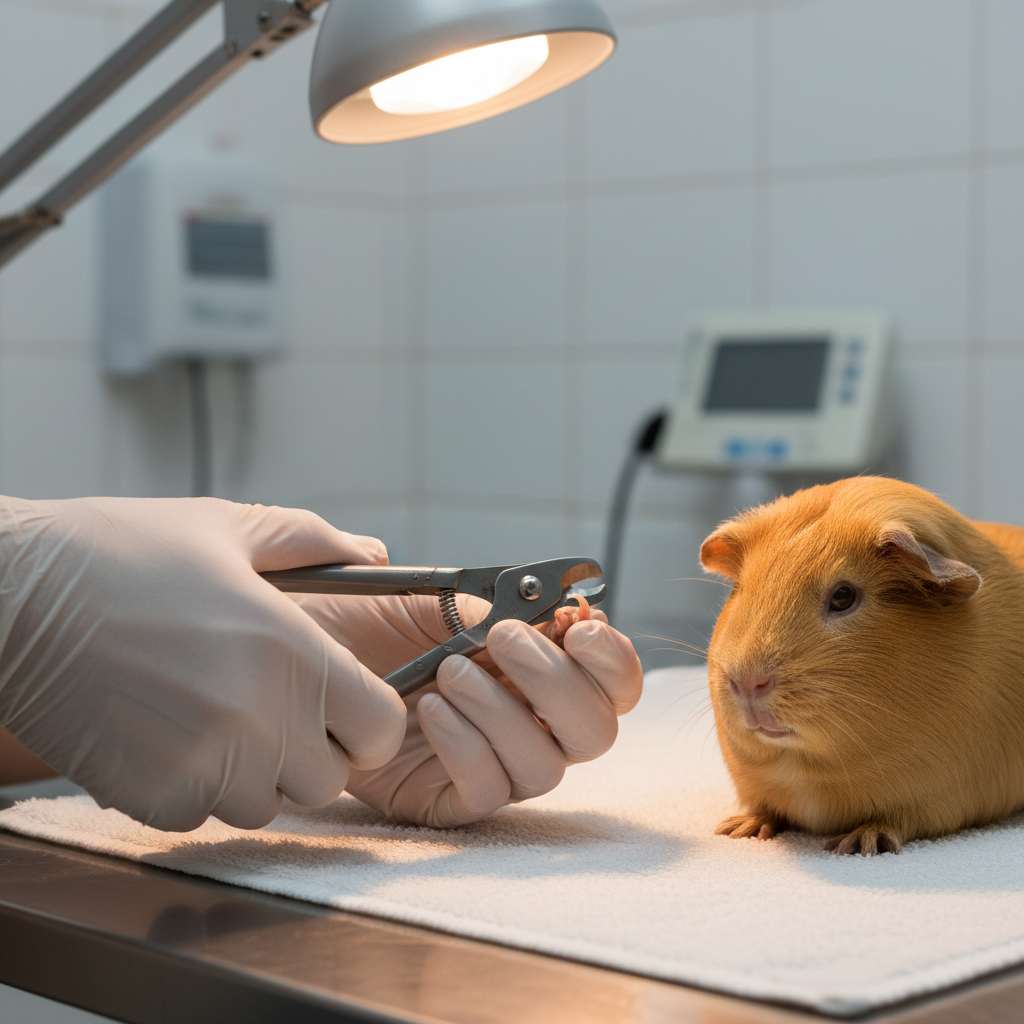
It happens, even to careful people. Stay calm, apply pet-safe styptic powder or cornstarch with gentle pressure, then give your guinea pig a break. If bleeding does not stop quickly, or your pet seems unusually painful, it’s reasonable to call an exotics vet for guidance. According to the American Animal Hospital Association (AAHA), contacting your veterinary team when home care isn’t controlling a problem is the safest move.
Key points that make a small clipper actually feel “safe”
- Visibility beats speed: bright light and a stable hold prevent most mistakes
- Small cuts win: you’re shaping, not chopping
- Sharp tool, low pressure: if you have to squeeze hard, something is off
- Routine matters: frequent trims usually reduce stress over time
- Know your limit: thick, twisted nails can be a pro job
Mistakes to avoid (these waste time or raise risk)
These show up constantly in real homes, and they’re surprisingly fixable.
- Cutting right after a chase: let your guinea pig settle, stress makes everything harder
- Using human nail clippers: sometimes it works, but alignment and curve often cause crushing
- Skipping blade checks: if the clipper is nicked or misaligned, replace it
- Trying to do all nails in one go: split into two sessions if you need to
- Holding the foot at an odd angle: twisting the toe joint can hurt, even if the cut is fine
When to get professional help (and what to ask for)
If your guinea pig has very dark nails and you keep quicking them, or the nails are thick and curled, a professional trim can reset things. Many general groomers don’t handle guinea pigs daily, so an exotics vet or a clinic familiar with small mammals is often a better bet.
Situations where help is worth considering:
- Nails curling toward the pad or deforming the toe
- Repeated bleeding, swelling, heat, or signs of infection
- Your guinea pig thrashes hard enough that restraint feels unsafe
- Arthritis or mobility issues where positioning becomes painful
When you book, ask if they routinely trim guinea pig nails, and whether a tech can show you the angle on one paw so you can maintain at home.
Conclusion: a safer trim is mostly technique, but the right tool helps
A guinea pig nail clipper small can make trimming feel more controlled, but it won’t override poor lighting, rushed cuts, or a wobbly hold. Set up a calm station, take thin slices, and aim for short, repeatable sessions rather than a marathon trim.
If you want one action step today, pick a time when your guinea pig is already relaxed, set a bright lamp by your towel, and trim just one or two nails to practice. Momentum beats perfection with nail care.
FAQ
What size nail clipper is best for a guinea pig?
Most owners do well with a small pet clipper or small scissor-style clipper because it fits the narrow nail and encourages smaller cuts. If nails are unusually thick, you may need a sturdier option or a vet trim.
Can I use cat nail clippers as a guinea pig nail clipper small option?
Often, yes. Many small cat clippers work well for guinea pigs, especially for beginners who want more control. Just make sure the blades meet cleanly and feel sharp, dull cat clippers can still splinter a nail.
How often should I trim guinea pig nails?
It varies by age, diet, and activity, but many guinea pigs need trims every few weeks. If you’re trying to reduce a long quick, more frequent small trims can be easier than waiting too long.
How do I trim black guinea pig nails without hitting the quick?
Assume the quick extends farther than you can see, use a bright light, and take thin slices from the tip. If you’re consistently unsure, having a vet demonstrate the stopping point can save a lot of trial and error.
Why do my guinea pig’s nails split even when I’m careful?
Most splitting comes from dull blades, squeezing too hard, or cutting at a pinch-prone angle. Check the clipper alignment, replace worn tools, and try smaller snips rather than a single larger cut.
Is a nail grinder safer than clippers for guinea pigs?
It can be safer in the sense that it removes nail gradually, but many guinea pigs dislike the sound and vibration. If your pet stays calm and you keep sessions short to avoid heat buildup, a grinder may be an option.
What should I keep on hand in case of bleeding?
Pet-safe styptic powder is common, and some people use cornstarch in a pinch. If bleeding does not stop promptly or your guinea pig seems very painful, it’s wise to contact an exotics vet.
If you want an easier routine
If you’re trying to make nail trims less stressful, it can help to set up a small “nail kit” you always use, a reliable small clipper, bright lamp, towel, and styptic, then keep sessions short and frequent. That consistency is what usually turns trimming from a dreaded event into a quick habit.