
Ferret cage liner washable reusable options can make daily cleanup noticeably easier, but only if you pick the right fabric, absorbency level, and fit for your cage and your ferret’s habits.
If you’re tired of fleece shifting into a corner, puddles seeping through, or that “I swear I washed this yesterday” smell, you’re not alone. Ferrets are small, fast, and surprisingly good at turning a neat setup into a crumpled mess.
This guide breaks down what actually matters: materials that absorb without staying wet, ways to keep liners from sliding, a realistic wash routine, and a quick comparison table so you can choose without overthinking it.
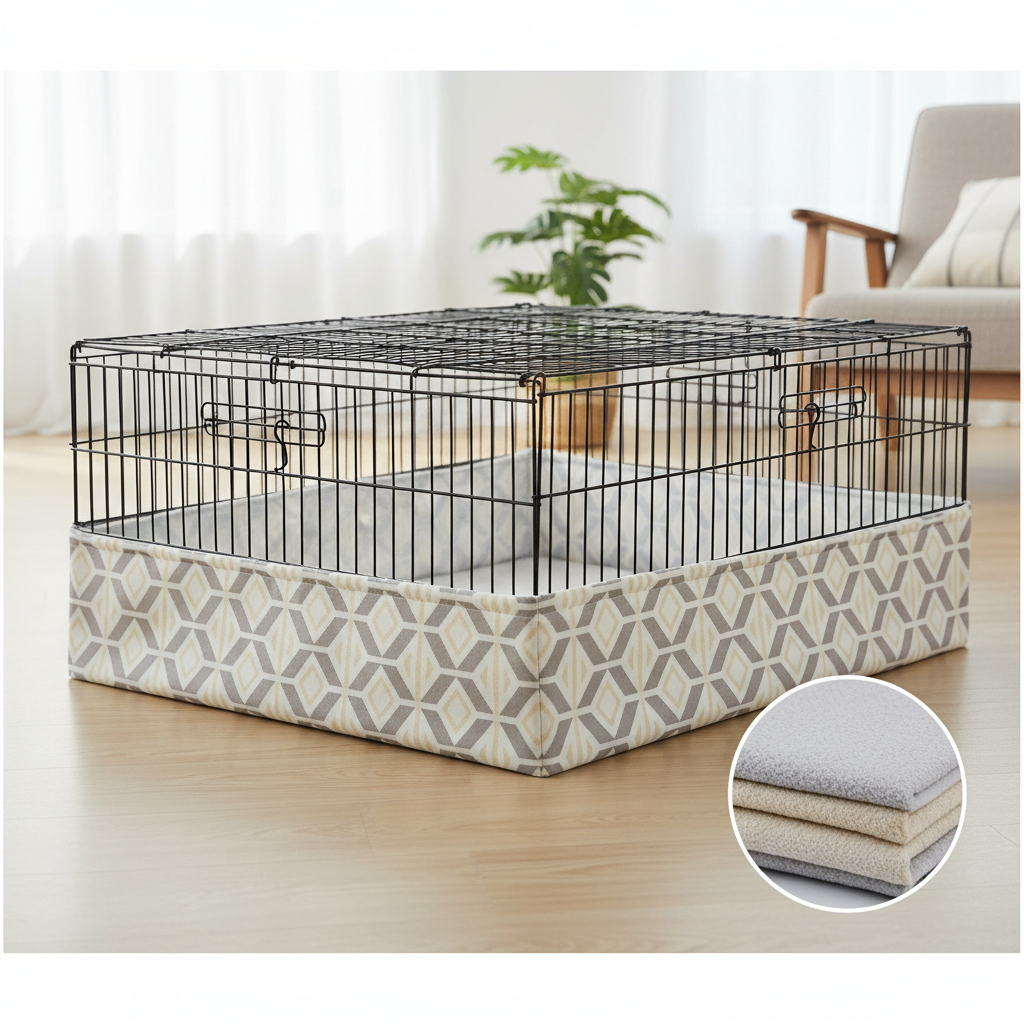
What a washable reusable ferret cage liner should actually do
A liner isn’t just “something soft.” In most homes, it needs to handle three jobs at once: comfort, moisture control, and traction so it stays put.
- Absorb quickly so pee doesn’t pool on the surface
- Hold moisture long enough that your ferret isn’t walking through wet spots
- Protect the pan so you’re not scrubbing caked residue every other day
- Stay in place even when your ferret digs, drags, or “redecorates”
- Wash without falling apart after a month of hot cycles and agitation
According to American Veterinary Medical Association (AVMA) guidance on small mammal care, hygiene and a clean environment matter for overall health, and persistent damp bedding can contribute to skin and odor problems. That’s why “absorbent” and “fast-drying” are more than marketing words.
Why liners fail in real life (and how to avoid the usual disappointments)
Most complaints come down to a mismatch between your setup and the liner design, not because washable liners are a bad idea.
Common failure points
- Too thin: fabric feels nice but saturates quickly, then odor builds
- No waterproof barrier: moisture reaches the tray, and you’re back to scrubbing
- Wrong texture: some ferrets love plush fleece, others treat it like a digging toy
- Bad fit: gaps at corners create “pee channels” that bypass the absorbent area
- Washed with fabric softener: softener can reduce absorbency and trap smells
There’s also a behavioral piece. A ferret that consistently eliminates in the same corner may do great with a corner-protected liner plus a litter box, while a “free-range peeer” might need full coverage with a reliable waterproof layer.
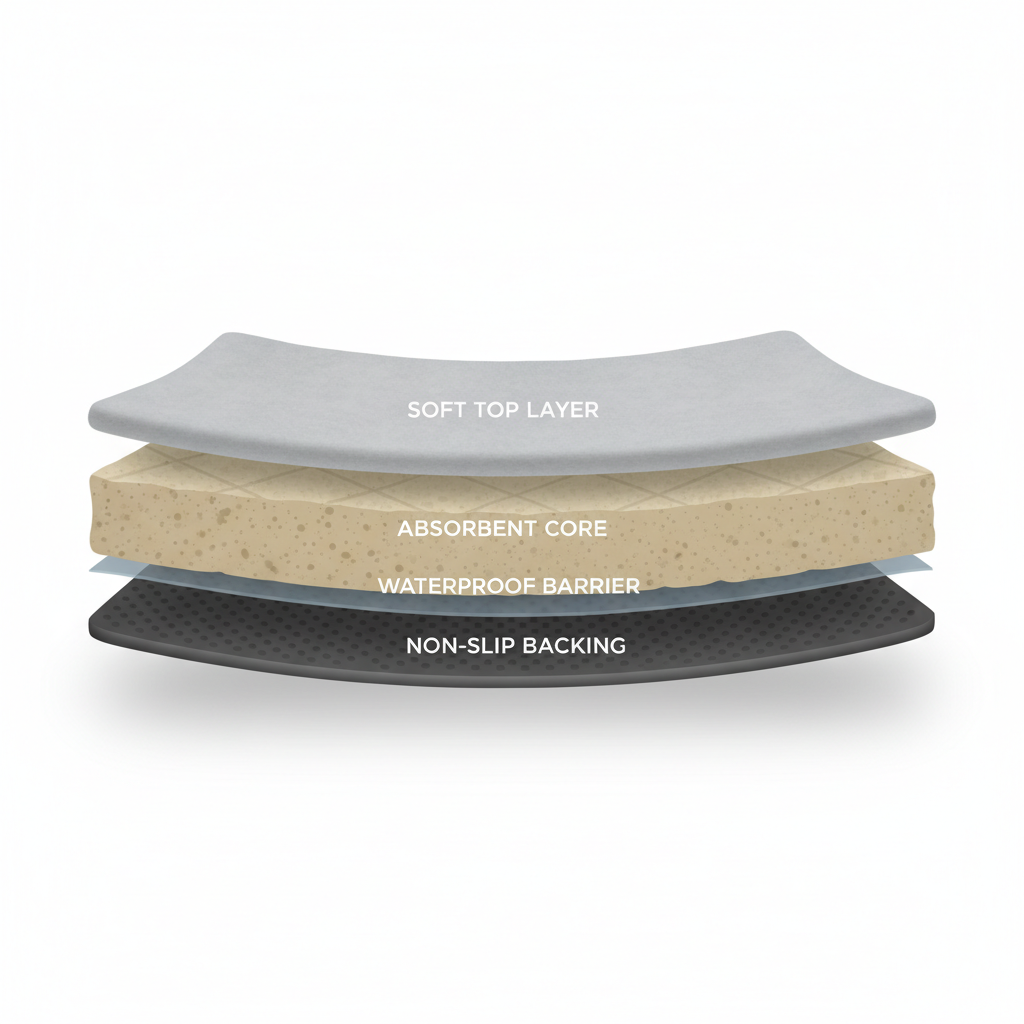
Materials and construction: what to look for (without getting lost in jargon)
When you shop for a ferret cage liner washable reusable product, the label might mention fleece, microfiber, “PU waterproof,” quilting, or non-slip backing. Here’s what usually matters.
Top layer (what paws touch)
- Anti-pill fleece: soft, common choice, can shift unless secured
- Wicking jersey or bamboo blends: can feel drier on top, varies by brand
- Low-pile fabric: often better for ferrets that dig and snag
Absorbent core
- Microfiber or cotton blends: good absorption, may hold odor if not washed promptly
- Multiple layers: usually handles “misses” better than single-layer mats
Waterproof barrier
- PU or TPU lamination: common waterproof layer, can degrade with high heat over time
- “Water-resistant” only: often not enough for frequent accidents
Bottom layer (what grips the pan)
- Non-slip backing: helps, but check that it’s washer-friendly
- Corner straps or snaps: underrated feature if your ferret drags bedding around
Key point: If odor control is your top problem, prioritize a liner that dries fast and can be washed hot safely, rather than the thickest pad you can find.
Quick self-check: which liner style fits your cage and your ferret?
Before you buy a set, take two minutes and be honest about your reality. It saves money and a lot of “why is this soaking again?” frustration.
- Accidents happen mostly in one corner → look for corner coverage, higher absorbency at edges, or pair with a corner litter box
- Your ferret digs and burrows → lower-pile top layer, reinforced stitching, straps/snaps
- Strong odor within 24–48 hours → faster-drying fabrics, two-liner rotation, avoid softeners
- Wire cage with shelves/ramps → fitted pieces for each level, not one big blanket
- Older or sick ferret (incontinence possible) → higher absorbency, true waterproof barrier, more frequent changes, consider asking a vet
According to American Animal Hospital Association (AAHA) principles for companion animal wellness, changes in elimination habits can signal health issues. If accidents suddenly increase, it may be worth checking in with a veterinarian rather than assuming it’s only a bedding problem.
Comparison table: washable liner options at a glance
Not all reusable liners behave the same once they meet real messes. This table is a practical way to choose based on your main constraint.
| Option | Best for | Pros | Watch-outs |
|---|---|---|---|
| Fleece + absorbent core + waterproof backing | Most cages, moderate accidents | Comfortable, good protection for tray | May feel warm in summer, needs correct washing |
| Low-pile wicking top + waterproof layer | Diggers, “liner draggers” | Less snagging, often stays flatter | Some feel less plush, varies by brand |
| Simple fleece blanket (no barrier) | Very tidy litter habits | Cheap, easy to cut to size | Leaks to tray, odor builds faster |
| Disposable pads (backup use) | Travel, short-term illness support | Fast change, convenient | Ongoing cost, waste, can be shredded |
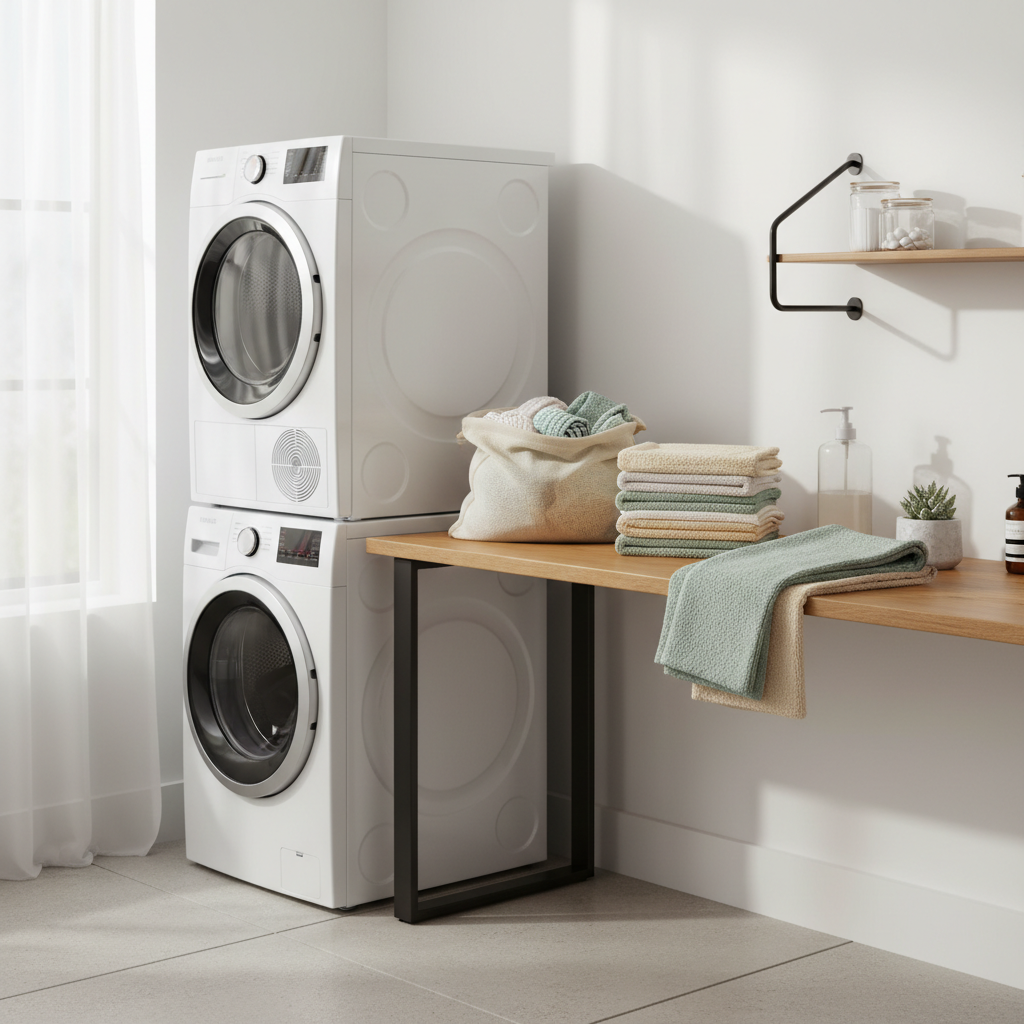
A realistic wash routine that keeps liners absorbent and less stinky
Washability is the whole point, but the routine matters. Many “doesn’t absorb anymore” complaints trace back to detergent buildup, softener, or under-drying.
Basic routine (most homes)
- Shake off debris into a trash bag, then do a quick cold rinse cycle if heavily soiled
- Wash warm or hot if the care tag allows, use a fragrance-free detergent when possible
- Skip fabric softener, it can coat fibers and reduce absorbency
- Add an extra rinse if you see suds lingering
- Dry fully, damp liners tend to smell “clean but not really”
If odor keeps returning
- Try a monthly “reset” wash: hot cycle plus extra rinse, then a full dry
- Consider rotating two sets so each gets time to dry and air out
- Check whether urine is reaching the tray, if yes, your barrier or fit may be the real issue
Safety note: If you use additives like vinegar or oxygen bleach, follow the product directions and keep pets away from wet laundry. For sensitive ferrets, unscented products are often easier on noses, but if your ferret shows irritation, consult a veterinary professional.
Setup tips that reduce accidents and keep the liner from sliding
A good liner still benefits from a smart setup. Small adjustments usually beat buying more accessories.
Keep it in place
- Use corner straps or clips designed for cages, avoid anything that creates sharp edges
- Fit per level on multi-tier cages, one big sheet tends to bunch up
- Leave litter corners consistent, ferrets often return to the same spot
Make cleanup faster
- Place a thin “catch layer” under high-risk corners if your liner isn’t fully waterproof
- Keep a spare liner ready, swapping takes 30 seconds, washing can wait
- Wipe the tray during swaps, it prevents buildup and reduces smell in the room
If your ferret chews fabric or pulls at seams, choose reinforced stitching and avoid loose threads. Ingestion risks vary by individual, so if chewing becomes a pattern, a vet can help you think through safer enrichment and housing options.
Key takeaways and a simple next step
If you want a cage that smells fresher and takes less time to maintain, a ferret cage liner washable reusable setup usually works best when it combines a fast-drying top, a genuinely absorbent core, and a waterproof barrier that fits your exact cage levels.
- Buy for your ferret’s habits, not for the prettiest fabric
- Rotate two sets if odor or drying time keeps annoying you
- Protect the corners, that’s where most “leaks” start
Pick one improvement to do this week: either measure and switch to a better-fitting liner set, or tighten your wash routine by removing softener and adding an extra rinse. Both moves usually show results quickly.
FAQ
How often should I change a washable ferret cage liner?
Many owners swap liners every 1–3 days depending on accidents, odor, and how many ferrets share the cage. If the surface feels damp or smells sharp, it’s time, even if it “looks fine.”
Do reusable liners work better than wood pellets or paper bedding?
They can, especially for reducing loose litter mess and making cleanup more predictable. Bedding still has a place for diggers or certain cage setups, but liners tend to win on daily convenience and less tracking.
Why does my liner stop absorbing after a few washes?
Detergent buildup, fabric softener, or incomplete rinsing are common causes. Try a hot wash plus extra rinse, then fully dry, and avoid softeners going forward.
Is a waterproof layer necessary for a ferret cage liner?
If your ferret misses the litter box sometimes, a waterproof barrier usually saves the tray and cuts odor. If your ferret is extremely consistent, you might get by without it, but most people appreciate the protection.
Can I use puppy pads under a reusable liner?
It can help short-term in high-accident situations, but some ferrets shred pads. If you try it, monitor closely and remove anything that gets torn up.
What size liner should I buy for a multi-level ferret cage?
Measure each level and shelf separately. A set with pieces sized for platforms typically stays flatter than one oversized blanket that bunches and creates gaps.
My ferret suddenly has more accidents, is it just the liner?
Sometimes it’s a fit issue, but a sudden change can also be stress, diet shifts, or health problems. If it persists or comes with other signs like lethargy or straining, it’s smart to ask a veterinarian.
If you’re trying to simplify your routine, a good approach is building a small “liner rotation” system: two fitted sets, a mesh wash bag, and a repeatable wash schedule. It’s not flashy, but it’s the kind of setup that keeps your cage cleaner without you thinking about it every day.