
Pet ear powder for easy grooming can make ear care less slippery, less smelly, and a lot easier to control, especially for floppy-eared dogs or pets that build up wax quickly. If you’ve ever tried to wipe an ear and felt like you were just pushing damp debris around, powder is often the missing “grip” step.
That said, ear powder is not a cure-all, and it’s not for every ear. Some pets simply need routine cleaning, while others might have an infection, allergies, mites, or an irritated ear canal where adding powder can make things worse. The goal is simple: use powder when it helps with hair plucking, moisture control, and gentle debris management, and skip it when the ear looks angry, painful, or infected.
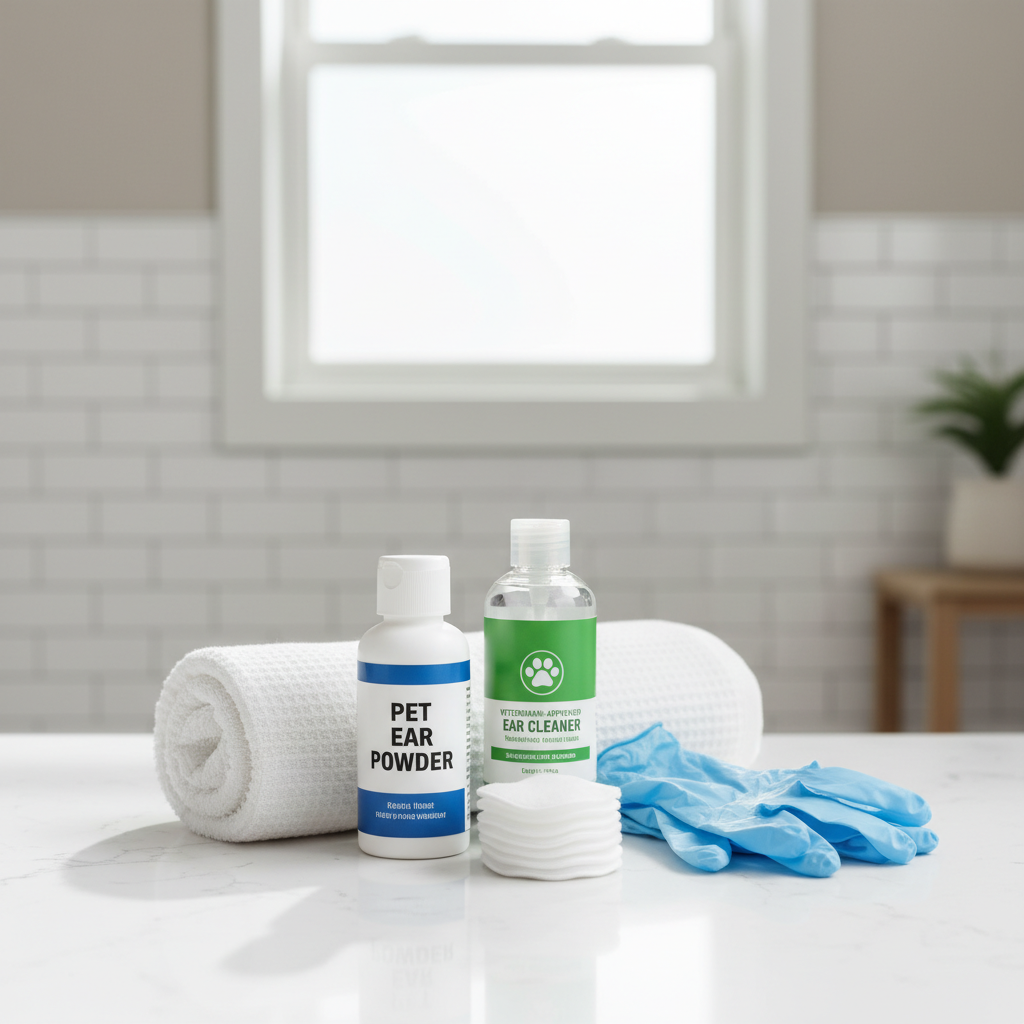
In this guide, you’ll get a practical way to decide if powder fits your pet, what to look for on labels, and a step-by-step routine you can actually follow at home without turning it into a wrestling match.
What pet ear powder is (and what it’s meant to do)
Pet ear powder is a dry grooming product designed to reduce slipperiness inside the ear flap area and help manage moisture. Many formulas are used by groomers to make hair removal easier in breeds that grow dense hair in the ear canal entrance, and to keep the area drier between baths.
Most people buy it for one of three reasons: the ear feels damp a lot, there’s a recurring “ear smell” after playtime or swimming, or they’re trying to make gentle hair plucking less uncomfortable and less messy. The “powder” part matters because it can improve grip and reduce the wet, sticky feel that traps debris.
- Helps with grip when removing small amounts of hair at the canal opening (when appropriate).
- Helps with moisture control around the ear flap and entry area.
- Helps loosen light debris so wiping feels more effective.
Why ears get dirty or smelly in real life (common causes)
Most ear issues are not about “bad hygiene,” they’re about the ear environment. Warmth plus moisture plus limited airflow is the classic combo, and some breeds get that combo by default.
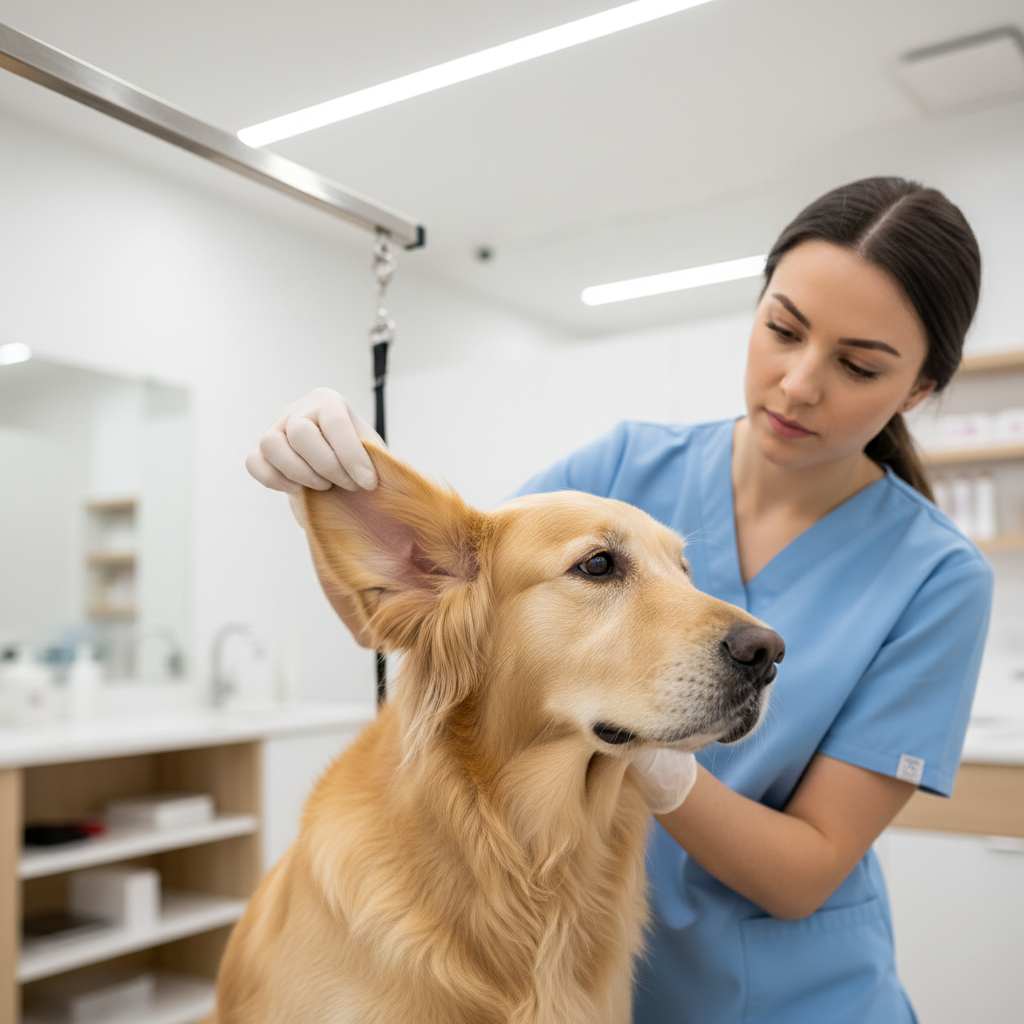
Here are the patterns that show up again and again:
- Moisture: swimming, frequent baths, humid climates, or just ears that don’t “air out.”
- Hair density: hair near the canal opening can trap wax and reduce ventilation.
- Wax production differences: some pets naturally make more wax, and it builds up faster.
- Allergies: seasonal or food-related sensitivities may drive recurring inflammation and debris.
- Ear shape: floppy ears often keep the canal warmer and darker.
According to the American Kennel Club (AKC), dogs with long or floppy ears are often more prone to ear problems because airflow is reduced, which can create a friendlier environment for yeast and bacteria. That doesn’t mean your pet will get infections, it just means you may need a tighter routine.
Quick self-check: is ear powder a good fit for your pet?
If you’re deciding whether pet ear powder for easy grooming makes sense, don’t start with the product, start with the ear. A calm, neutral ear can usually tolerate grooming aids; an inflamed ear often cannot.
Usually a reasonable “yes”
- Ears look normal pink (not bright red), and your pet allows gentle handling.
- You notice mild wax or dampness, especially after baths or outdoor play.
- Your groomer or vet has previously recommended powder for hair at the canal entrance.
- You’re dealing with light odor that comes and goes, not a strong persistent smell.
Usually a “pause and reassess”
- Strong odor that returns quickly after cleaning.
- Visible redness, swelling, or a dark coffee-ground-like discharge.
- Your pet shakes their head a lot, scratches intensely, or cries when touched.
- You see sores, scabs, or wet raw skin around the ear.
According to the American Veterinary Medical Association (AVMA), signs like pain, redness, discharge, odor, and head shaking can indicate otitis (ear inflammation) and may require veterinary attention. If those signs are present, it’s safer to avoid adding powder until a professional rules out infection or mites.
Ear powder vs. ear cleaner vs. wipes: what to use, when
This is where many routines get messy: people use powder as if it were a cleaner. Think of powder as a grooming assistant, not the main cleaning tool.
| Product | Best for | When to avoid or be cautious |
|---|---|---|
| Ear powder | Grip for hair at ear opening, reducing moisture, making wiping less slippery | Red, painful, infected-looking ears; heavy discharge; unknown ear problems |
| Liquid ear cleaner | Breaking up wax, flushing debris (with proper technique) | Possible ruptured eardrum, severe pain, or vet has advised against; consult a professional |
| Ear wipes | Quick maintenance on ear flap and outer opening | Deep canal cleaning; wipes can miss buildup deeper inside |
In many homes, the most realistic combo is: wipes for weekly maintenance, cleaner when wax builds up, and powder only when you need that dry grip for grooming or moisture control.
How to use pet ear powder for easy grooming (step-by-step)
Pet ear powder for easy grooming works best when you keep the application light. If you dump powder into the ear canal, you can create buildup that’s harder to remove, and you may irritate sensitive skin.
What you’ll need
- Ear powder (pet-specific)
- Cotton pads or soft gauze (skip cotton swabs for deep cleaning)
- A towel, and a treat your pet actually cares about
- Optional: ear cleaner recommended by your vet or groomer
A practical at-home routine
- Start with a visual check: look for redness, swelling, heavy discharge, or strong odor.
- Use a small amount: tap a light dusting onto the ear flap and the entrance area, not deep inside.
- Massage gently: a few seconds helps distribute and loosen light debris.
- Wipe: use a cotton pad to remove loosened wax and powder residue from the outer ear and visible folds.
- Stop early if needed: if your pet shows discomfort, don’t force a “complete clean.”
If you’re using powder specifically for hair at the ear opening, keep it conservative. Many groomers will remove only what’s necessary for airflow. Over-plucking can irritate the canal and set you up for more trouble later, so if you’re unsure, ask a groomer or vet to show you what “normal” looks like for your breed.
Choosing an ear powder: ingredients, label cues, and red flags
Not all powders feel the same, and some are more drying than others. If your pet already has dry, flaky skin around the ears, you may need a gentler approach or less frequent use.
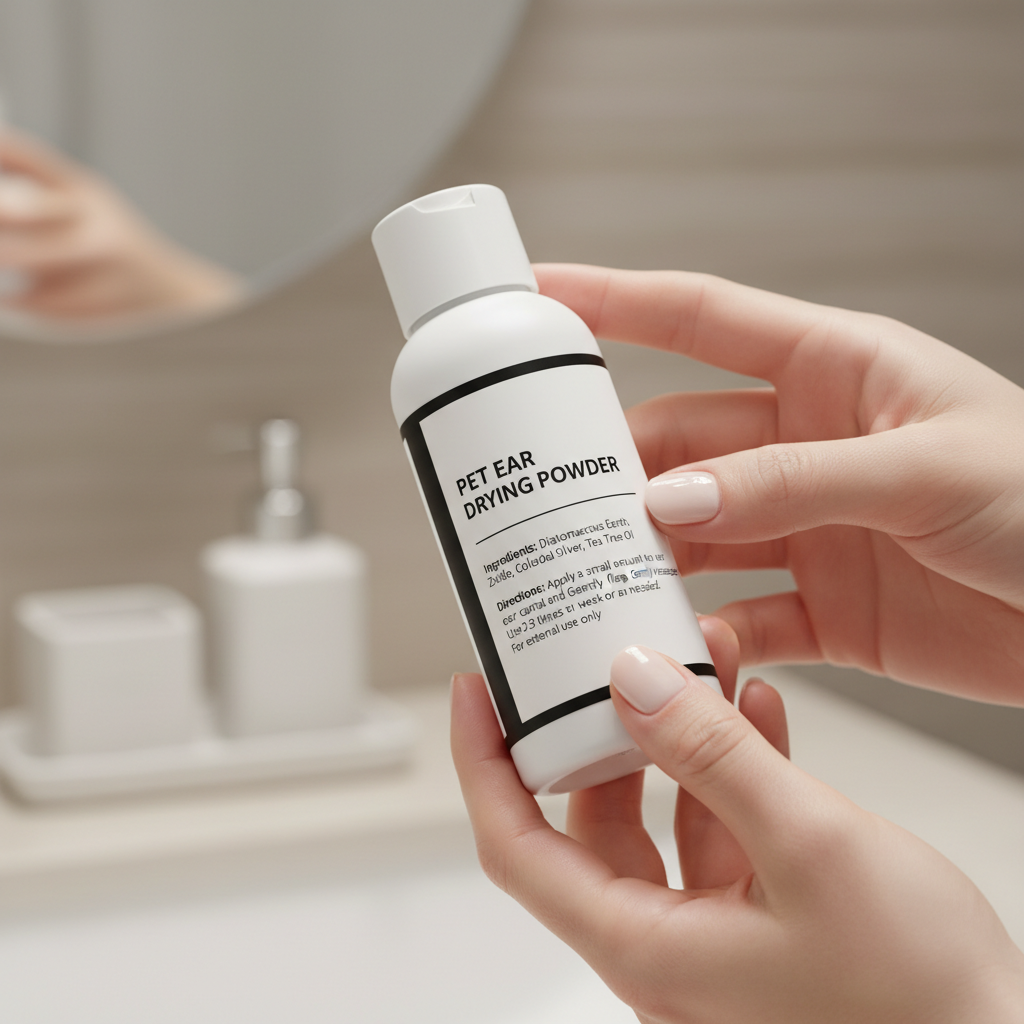
What to look for when you shop:
- Clear use instructions and a pet-safe intended use (grooming/ear care), not a generic body powder.
- Low-fragrance or fragrance-free options if your pet reacts to scents.
- Dispensing tip that helps apply small amounts, because “less” tends to be safer.
Red flags that should make you cautious:
- Directions encouraging heavy filling of the ear canal.
- Strong perfume smell that lingers on your hands.
- Your pet coughs/sneezes repeatedly during application, which can happen if dust gets inhaled.
If your pet has a history of chronic ear infections, it’s worth bringing the exact product to your vet for a quick yes/no. That one-minute check can save you weeks of recurring flare-ups.
Common mistakes that make ear care harder (and how to avoid them)
The most common mistake is treating every ear problem like a grooming issue. Some ears are dirty because of wax and moisture, others are dirty because the skin is inflamed from allergies or infection.
- Using powder to “cover” odor: odor that persists often needs medical evaluation, not more product.
- Over-cleaning: too frequent cleaning can irritate skin and trigger more wax production in some pets.
- Going too deep: if you can’t see it, you usually shouldn’t be scraping it.
- Skipping drying after baths: moisture left in the ear area is a common setup for recurring issues.
Key takeaway: use powder as a small supportive step, and let your ear cleaner or vet-guided plan do the heavy lifting when there’s real buildup or inflammation.
When to get professional help (vet or groomer)
If you’re repeatedly reaching for pet ear powder for easy grooming because the smell or discharge comes back every few days, that pattern matters. Many chronic ear problems are driven by allergies, yeast overgrowth, bacteria, or underlying anatomy, and home grooming alone often can’t solve that.
- Ear pain, sudden sensitivity, or your pet refuses touch
- Thick discharge, bleeding, or a strong persistent odor
- Head tilt, loss of balance, or unusual eye movements
- Recurring ear trouble despite careful routine changes
According to the American Animal Hospital Association (AAHA), diagnosing ear disease typically involves an ear exam and may include cytology, which is a microscope check of debris to identify yeast or bacteria. If symptoms keep returning, that diagnostic step is often what finally clarifies the right treatment plan.
Practical wrap-up: a simple routine you can stick with
If your pet’s ears are generally healthy, powder can be a small upgrade that makes grooming smoother, especially when moisture and hair at the ear opening are part of the picture. Keep applications light, focus on the outer ear and visible entry area, and pair it with sensible cleaning and drying habits.
If you want an easy next step, do this: check the ears today, decide if the ear looks calm enough for grooming, then try a low-amount powder routine once and see how your pet responds over 24–48 hours. If you see worsening redness, stronger odor, or discomfort, stop and ask a professional before you keep experimenting.
FAQ
How often can I use pet ear powder for easy grooming?
Many pets do fine with occasional use, like after baths, swimming, or grooming sessions. If you feel tempted to use it daily, that may be a sign the ear has an underlying issue worth checking with a vet.
Can I use ear powder instead of ear cleaner?
Usually not. Powder may help with grip and moisture, but it doesn’t dissolve wax the way a good ear cleaner can. If wax buildup is the main problem, a cleaner recommended by your vet or groomer tends to work better.
Is ear powder safe for cats?
Some products are labeled for both dogs and cats, but cats can be more sensitive to ingredients and scents. It’s smart to use only cat-approved products and ask your vet if your cat has any history of skin reactions.
What if my dog shakes their head after I apply powder?
A little head shaking can be normal, but persistent shaking, pawing, or yelping suggests irritation or that too much product went in. Stop, gently wipe what you can see, and consider checking with a professional if it doesn’t settle.
Does ear powder help with yeast smell?
It may temporarily reduce moisture, but yeast-related odor often returns unless you address the underlying imbalance. If the smell is strong, recurring, or paired with redness, a vet exam is the safer route.
Should I pluck ear hair when using ear powder?
Only if you’ve been shown that your pet benefits from it. Some dogs tolerate minor hair removal at the opening, while others get more inflamed afterward. When in doubt, ask a groomer to demonstrate what’s appropriate for your breed and ear type.
Can I use baby powder or cornstarch instead?
It’s usually better to stick with pet-specific ear powders. General powders can include fragrances or additives that irritate, and they aren’t designed for ear-area use. If cost is the concern, a groomer can often suggest a safe, simple option.
If you’re trying to make ear care less stressful, a well-chosen powder can be a helpful add-on, not a replacement for proper cleaning or veterinary care. If you want a more streamlined routine, consider asking your groomer or clinic what products match your pet’s ear type, then stick to one simple method long enough to judge results.