
Best pet travel bags for cats are the ones that keep your cat calm, supported, and well-ventilated, while still being practical for you to carry through parking lots, airports, and long hallways.
If you have ever shown up with a “cute” bag that sags, overheats, or tips when you set it down, you already know why this matters, your cat remembers that trip too. Travel stress tends to snowball, and a poor carrier often becomes the trigger.
This guide focuses on what actually changes the experience: structure, ventilation, weight distribution, easy access, and real-world fit for cars and airline seats. You will also get a comparison table, a quick self-check, and setup tips that make almost any quality bag work better.
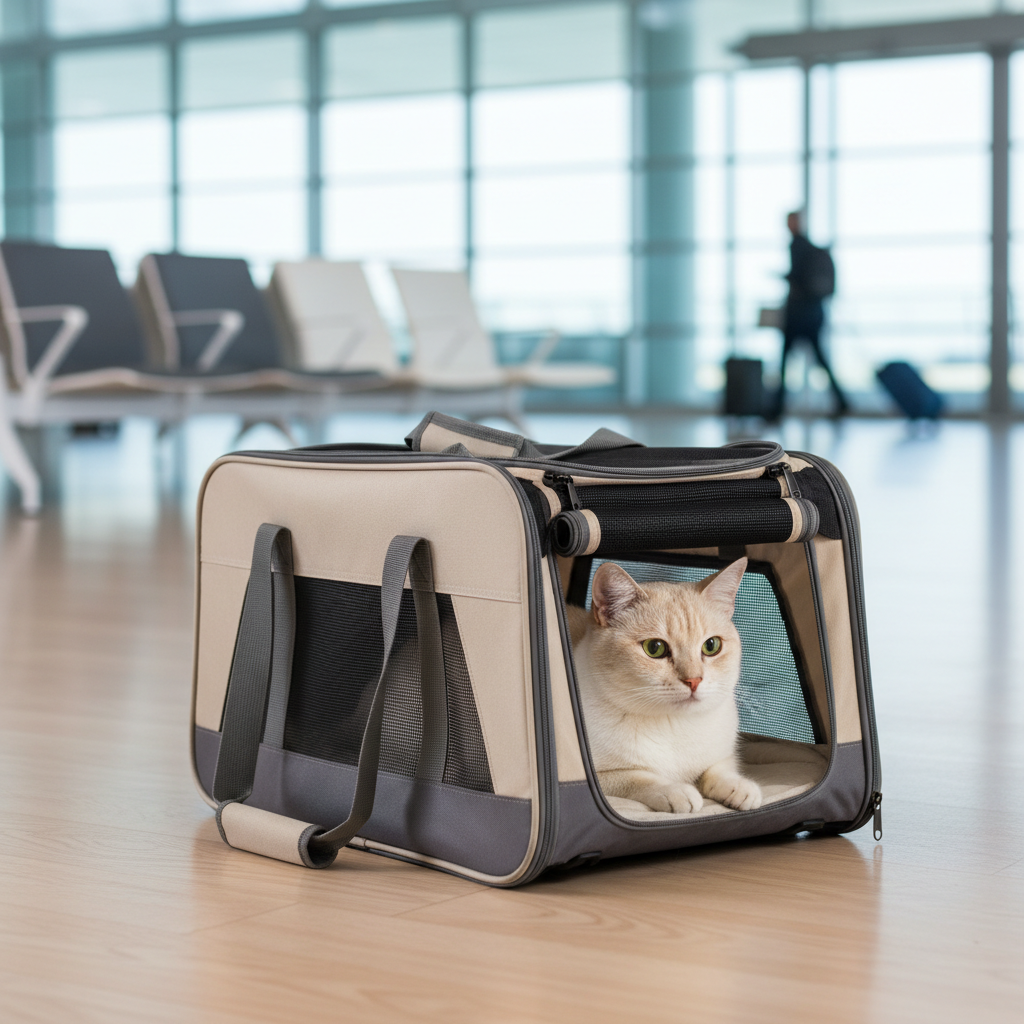
What “best” really means for cat travel bags in 2026
Most shoppers get stuck comparing brand names, but cats care about physics: airflow, stability, and feeling enclosed without being cramped. A bag can look premium and still fail on basics like a rigid base or usable ventilation.
- Stable base: a firm bottom panel that does not bow when you lift the bag, and ideally accepts a removable pad.
- Ventilation that works in crowds: mesh on more than one side so airflow does not disappear when the bag rests against your leg.
- Access without wrestling: top and side openings, plus zippers that do not snag on fabric.
- Carry comfort: backpack straps or a crossbody strap that does not dig, because your grip affects how steady the ride feels.
- Safety hardware: leash clip, locking zippers or zipper garages, and stitching that feels more “luggage” than “tote.”
According to the American Veterinary Medical Association (AVMA), safe transport practices include using a well-ventilated carrier and preventing pets from moving freely in a vehicle. That advice sounds simple, but it immediately rules out a surprising number of flimsy fashion carriers.
Quick comparison: common carrier styles and who they suit
Different cats tolerate different setups, and your route matters. A bag that feels perfect for a short car ride might be annoying on a long terminal walk.
| Type | Best for | Pros | Trade-offs |
|---|---|---|---|
| Structured soft-sided (airline-style) | Flights, rideshare, mixed travel | Light, compressible for under-seat, often multiple openings | Some models lack a truly rigid base |
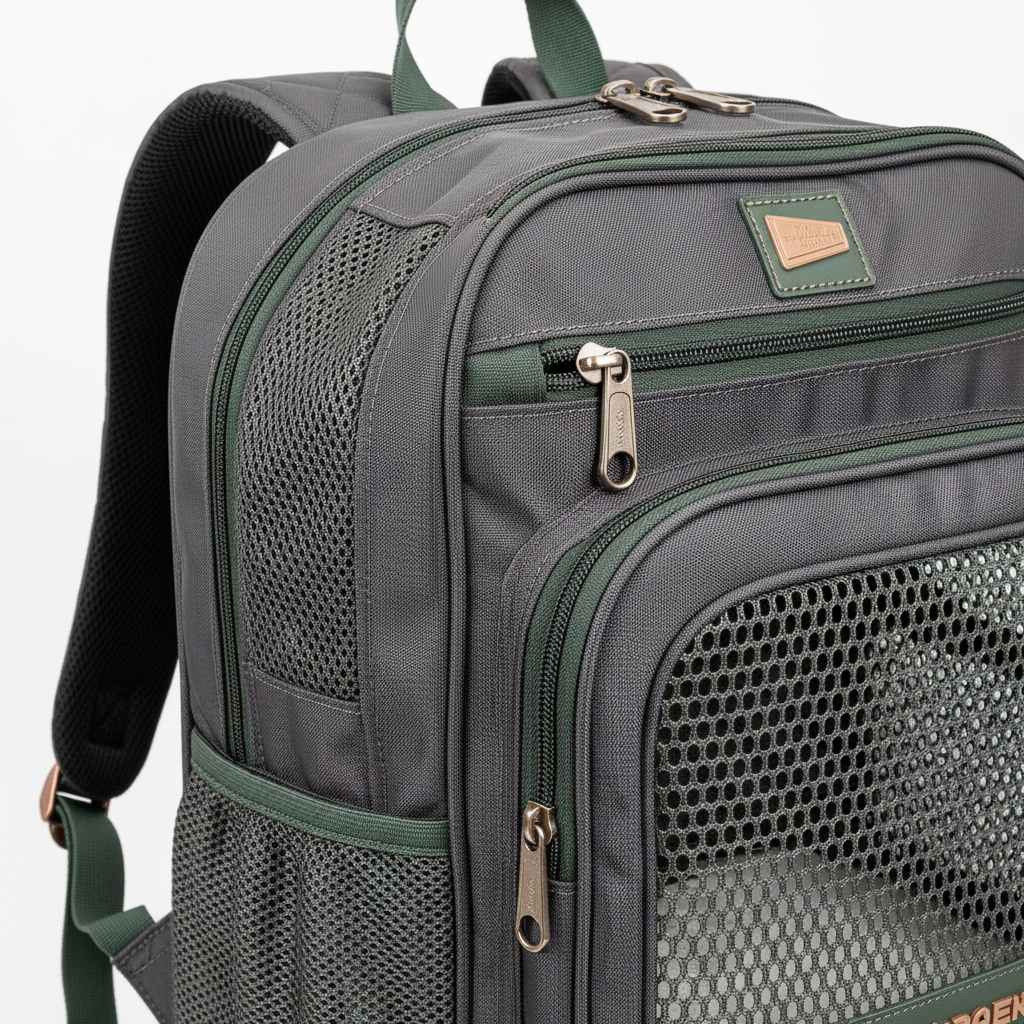
| Backpack carrier | Long walks, hands-free travel | Weight distribution, easier through crowds | Heat buildup if ventilation is weak |
| Hard-sided kennel | Car trips, nervous scratchers | Very stable, easy to clean, strong structure | Bulkier, less convenient to carry |
| Expandable soft carrier | Layovers, hotels, vet waiting rooms | Extra space when stationary, often improves comfort | Expansion panels can snag, not always airline-friendly when expanded |
| Wheeled carrier | Heavy cats, long terminals | No shoulder strain, stable on flat ground | Awkward on stairs, wheels transmit vibration on rough surfaces |
If you are shopping specifically for the best pet travel bags for cats for air travel, structured soft-sided models usually win because they balance under-seat fit and comfort, but only if the base and ventilation are genuinely solid.
How to choose the right size (without guessing)
Size mistakes cause most “my cat hates the carrier” stories. Too small feels restrictive, too big lets the cat slide on turns, and sliding often reads as danger to them.
A simple fit check
- Your cat should be able to stand up, turn around, and lie down in a natural curl.
- The bag should not collapse onto the cat when you lift it by the handle.
- When placed on the floor, the carrier should sit level, not tilt forward.
For flights, the practical constraint is under-seat height and width, and that varies by airline and even aircraft. Many carriers market “airline approved,” but that usually means “commonly fits,” not guaranteed. It is safer to check your airline’s pet carrier dimensions before buying, and pick a bag that can slightly compress without pressing into your cat’s body.
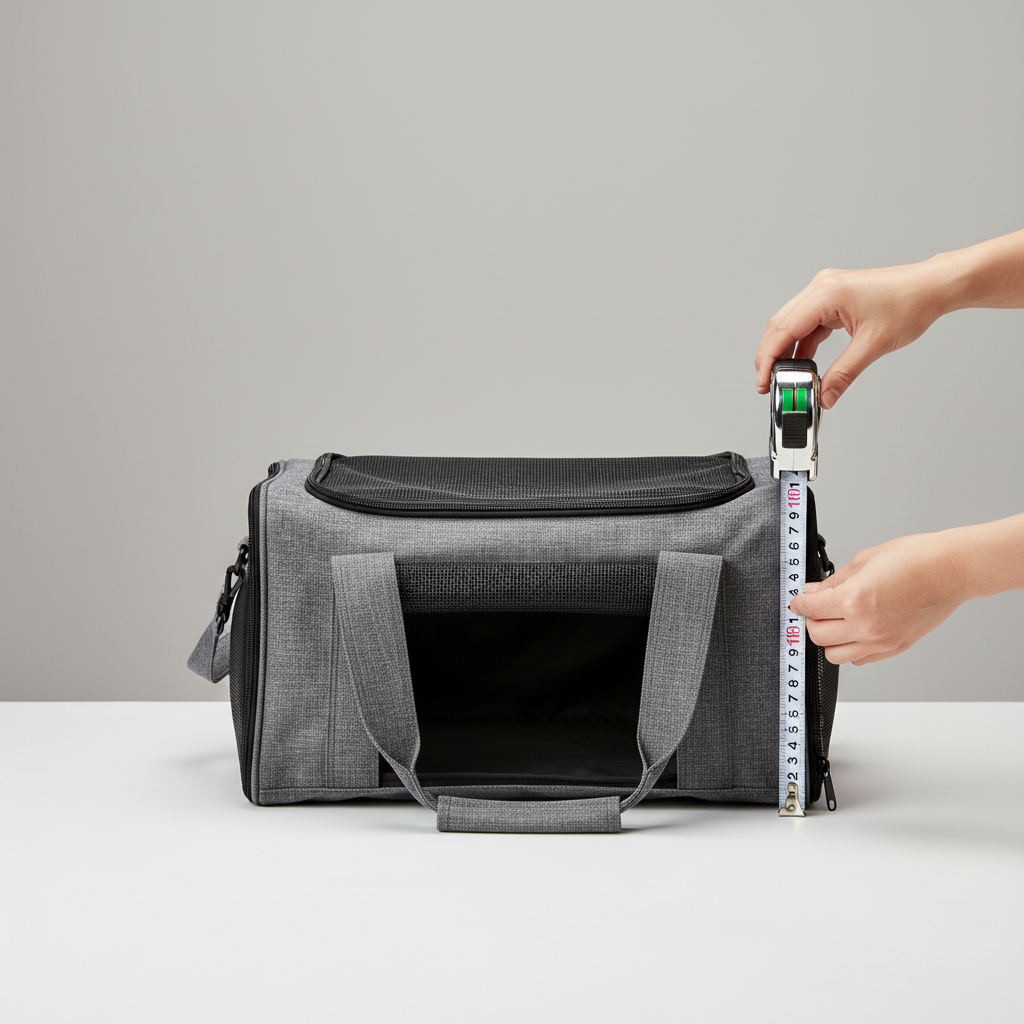
A fast self-test: which travel bag style fits your situation?
Use this as a quick sorting tool. You do not need perfection, you need to avoid the obvious mismatch.
- If your cat is large or “long”: start with a structured soft-sided carrier that comes in two lengths, or consider a hard-sided kennel for car-only travel.
- If you walk more than 10 minutes: a backpack carrier with strong ventilation usually feels steadier for the cat and easier on you.
- If your cat panics when handled: prioritize top-loading access, so you can lower them in calmly without pushing.
- If car rides are the main thing: stability and a firm base matter more than a sleek profile.
- If you do airports often: look for luggage pass-through plus a discreet exterior pocket for documents and wipes.
When people search for the best pet travel bags for cats, they often mean “the one my cat will tolerate.” In practice, that usually comes down to steadiness, airflow, and how gently you can load and unload.
Practical setup steps that make almost any good bag better
Even a top-tier carrier can feel “new and scary” if you use it only on travel day. These steps are low effort and often change the outcome.
Before the trip
- Leave the bag out at home with the door open for several days, add a familiar blanket that smells like your home.
- Do short “no destination” sessions: zip for 30–60 seconds, then open and reward, build up slowly.
- Check the base: add a thin, non-slip liner under the pad if the interior slides.
During travel
- Keep it level when carrying, swinging is a fast way to create fear.
- Use ventilation wisely: in winter, cover one side with a light cloth, but keep at least one mesh panel unobstructed.
- Secure in the car with a seatbelt loop or strap if the model supports it, sudden braking is when carriers get tossed.
According to the American Animal Hospital Association (AAHA), reducing stress around veterinary visits often includes carrier acclimation and positive reinforcement. The same logic applies to travel, you are training a predictable “safe box,” not forcing a one-time event.
Safety and comfort features worth paying for
Here is where spending a little more usually makes sense, because repairs on the road are miserable and some failures are safety issues.
- Locking zippers: helpful for cats that paw at openings, especially in busy areas.
- Internal tether point: useful as a backup when you open the top, but it should attach to a harness, not a collar.
- Reinforced seams and corners: carriers fail at stress points first.
- Washable pad: accidents happen, and quick cleaning reduces repeat stress for many cats.
- Low-odor materials: some plastics and foams off-gas strongly at first, airing out the bag helps.
One more thing people skip: weight limit. Many “cat bags” are built for small pets, and the straps tell the truth over time. If your cat is heavier, a sturdier frame or backpack design usually holds up better.
Common mistakes that quietly ruin travel days
These are not dramatic errors, they are the little choices that make a cat decide the carrier is unsafe.
- Buying for looks first: fashion totes often lack structure and airflow where it counts.
- Over-padding the interior: thick beds reduce usable space and can block ventilation.
- Leaving the carrier in a hot car even for a short time, temperatures can rise fast, and cats may overheat.
- Forcing entry when the cat is already stressed: a top-loader or wider side door can prevent that fight.
- Ignoring your own comfort: if your shoulder hurts, you carry differently, cats notice the wobble.
If your cat has breathing issues, heart concerns, or extreme anxiety, the “best” option can shift. It may be worth asking your veterinarian what carrier style and travel plan makes sense, and whether calming strategies are appropriate for your cat’s health profile.
Key takeaways and a simple buying plan
Key points: prioritize a stable base, strong ventilation, and easy access, then match the carrier style to how you actually travel, not the one ideal trip you imagine.
- Air travel or mixed travel: choose a structured soft-sided carrier with multiple openings and a compressible frame.
- Lots of walking: pick a well-ventilated backpack design, check strap padding and base stiffness.
- Car-only and high anxiety: hard-sided may reduce sagging and escape attempts, add a comfortable washable pad.
If you are shopping the best pet travel bags for cats this year, start by measuring your cat and your most common travel constraints, then shortlist carriers that solve those constraints without compromising airflow. After that, the “best” one is usually the bag your cat will accept calmly after a few acclimation sessions.
If you want one action step today, measure under-seat space or car seat area first, then buy the carrier that fits that space with a firm base and two-way access, it saves returns and saves stress.