
Best cat food for maine coon choices in 2026 usually come down to three things: enough high-quality animal protein for a big frame, smart calorie control so weight stays stable, and nutrients that protect joints, skin, and that heavy coat.
If you’ve ever watched a Maine Coon inhale a bowl and then act hungry again an hour later, you already know the “any kibble works” idea breaks fast in real life, these cats can be large, active, and a bit sensitive in digestion depending on the individual.
This guide helps you sort foods by life stage and common Maine Coon needs, then gives a simple way to compare labels without getting lost in marketing words, you’ll also see when it’s worth asking your vet for a more tailored plan.
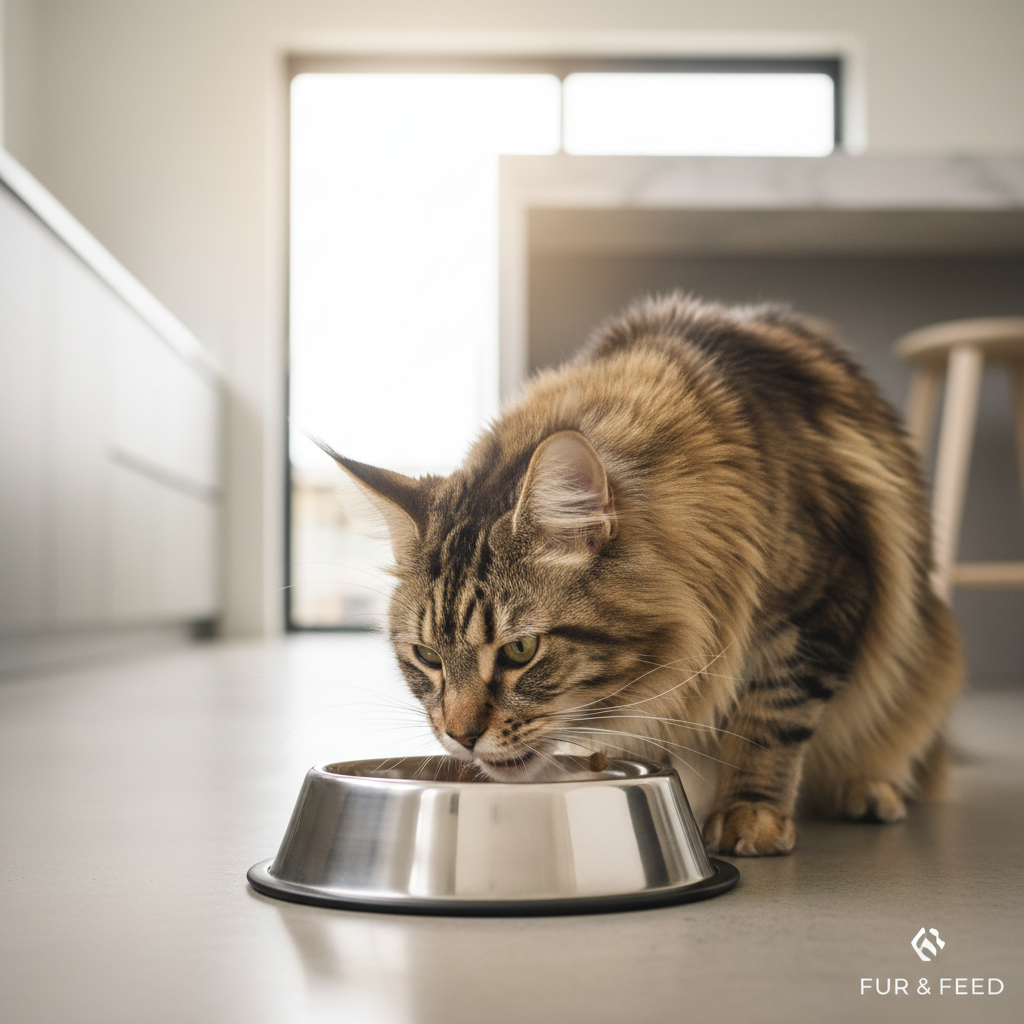
What Maine Coons tend to need from food
Maine Coons aren’t “special” in a magical way, but their size and growth curve often push nutrition into a narrower sweet spot, too little protein and they lose muscle, too many calories and weight sneaks up fast.
- Strong protein base: Look for named animal proteins (chicken, turkey, salmon, beef) as primary ingredients, this usually supports lean mass.
- Joint support: Many owners prioritize glucosamine and chondroitin, evidence varies by product, but these ingredients are commonly used for cartilage support in large cats.
- Heart nutrients: Taurine matters for all cats, but it’s still worth confirming the formula meets complete-and-balanced standards.
- Skin and coat support: Omega-3 and omega-6 fatty acids can help with coat shine and skin comfort, especially in dry indoor environments.
- Digestibility: Some Maine Coons do better with moderate fat and fiber rather than very rich formulas, this is individual.
According to AAFCO, cats should be fed diets that are complete and balanced for their life stage, that statement on the label is more useful than most front-of-bag claims.
Common reasons a “good food” still doesn’t work for your Maine Coon
It’s frustrating, you buy a premium bag and still see soft stool, constant hunger, or a dull coat, in many cases it’s not that the food is “bad,” it just doesn’t match your cat’s needs.
- Calories don’t match lifestyle: Indoor, less active cats can gain weight on dense kibble even if ingredients look great.
- Too abrupt a switch: Fast transitions often trigger vomiting or diarrhea, even with high-quality diets.
- Protein source mismatch: Some cats react to chicken, others do fine, sometimes fish-heavy diets cause itchiness or GI changes.
- Texture and bowl behavior: Fast eating, stress, or competition in multi-cat homes can mimic “food problems.”
- Underlying issues: Dental pain, parasites, inflammatory bowel disease, or food intolerance can show up as picky eating or GI upset.
According to the American Veterinary Medical Association (AVMA), sudden appetite changes, repeated vomiting, or persistent diarrhea are reasons to consult a veterinarian, especially in large cats where dehydration can escalate faster than you expect.
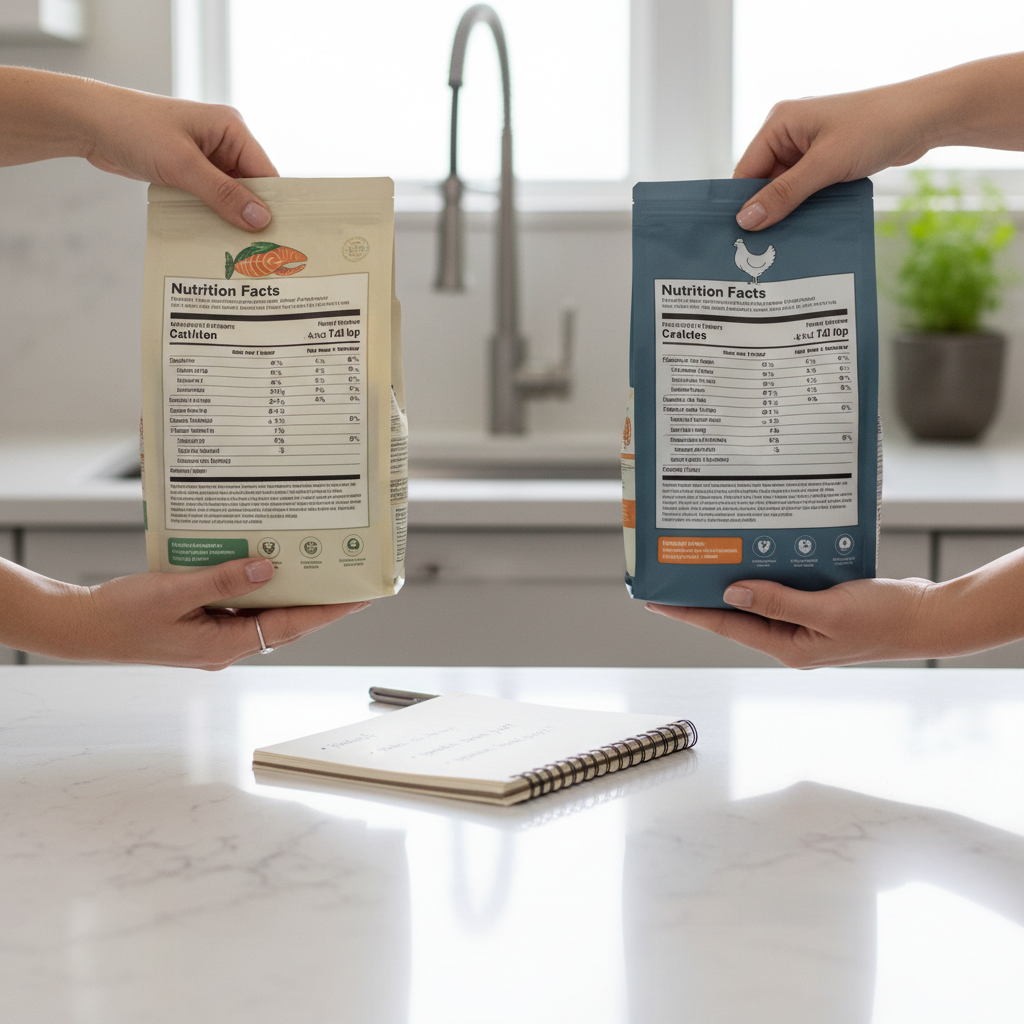
A quick self-check: which Maine Coon “type” are you feeding?
Before you shop, pin down the situation, it saves money and avoids random trial-and-error. Use this as a practical sorting step.
- Kitten (up to ~12 months): Needs growth calories, DHA for brain/vision, and enough minerals for skeletal development.
- Adult indoor: Often needs calorie control and hairball support, not necessarily “high energy” formulas.
- Adult active/outdoor: Typically tolerates higher calories and fat better, still needs balanced minerals.
- “Always hungry” adult: Check feeding math, treat calories, and fiber level, then rule out medical causes.
- Sensitive stomach: Prioritize fewer novel ingredients, gentle fiber, and consistent feeding routine.
- Senior (around 8+ years, varies): Watch weight, hydration, kidney support discussions with your vet, and dental comfort.
Key point: The best cat food for maine coon households is usually the one your cat digests well, keeps a steady body condition on, and reliably eats without drama.
How to choose: label cues that actually help (plus a comparison table)
Pet food labels can feel like a maze, but you can get most of the way there with a few checks: life stage statement, calorie density, protein source clarity, and whether the brand follows feeding-trial or formulation standards.
According to WSAVA (World Small Animal Veterinary Association) nutrition guidance, it’s reasonable to ask manufacturers about quality control, formulation expertise, and whether they conduct feeding trials, not every good brand will do everything, but transparency matters.
What to look for in plain English
- AAFCO statement: “Complete and balanced” for kitten, adult, or all life stages.
- Named proteins early in ingredients: “Chicken” or “salmon” is clearer than vague “meat.”
- Calorie line (kcal/cup or kcal/can): Helps you prevent slow weight gain.
- Fat and fiber: Higher fat can mean tastier and more energy-dense, fiber can help satiety and hairballs, but too much can lower digestibility for some cats.
- Omega-3 sources: Fish oil or algae oil are common, “omega blend” without sources is less informative.
Quick comparison table (use as a shopping checklist)
| Goal | What you’re trying to see | Good fit when… | Watch-outs |
|---|---|---|---|
| Lean muscle support | Named animal protein high on list | Cat is large-framed, active, or losing condition | Very high calorie kibble can add weight fast |
| Weight control | Lower kcal/cup, moderate fat, adequate protein | Indoor adult gaining weight | Overly low calories can increase begging |
| Hairball help | Moderate fiber + hydration plan | Frequent hairballs, heavy grooming seasons | Too much fiber may cause larger stool |
| Sensitive digestion | Limited proteins, gentle fiber, consistent formula | Soft stool or intermittent vomiting | “Grain-free” is not automatically gentler |
| Senior support | Easy-to-chew texture, balanced minerals | Older cat with dental wear or lower appetite | Kidney or thyroid concerns need vet guidance |
Practical picks by scenario (without pretending one brand fits all)
Rather than naming a single winner, it’s more honest to think in “lanes,” because the best cat food for maine coon cats changes with age, activity, and sensitivity, and even two littermates can do better on different formulas.
Scenario A: Maine Coon kitten with big growth ahead
- Choose an AAFCO kitten or all life stages formula from a reputable manufacturer.
- Prioritize consistent feeding routine, kittens often do better with 3–4 smaller meals.
- If stool gets loose, slow the transition and avoid stacking new treats on top.
Scenario B: Adult indoor Maine Coon gaining weight
- Pick a formula with lower calorie density and strong protein, then measure portions.
- Increase wet food proportion if budget allows, it can help hydration and satiety.
- Use a slow feeder or puzzle feeder if speed-eating is part of the problem.
Scenario C: Sensitive stomach or inconsistent stool
- Choose a simpler formula, one primary protein, fewer add-ins, no rapid rotation.
- Keep treats under control, a “small” treat habit can derail sensitive digestion.
- Ask your vet about probiotics or a veterinary therapeutic diet if symptoms persist.
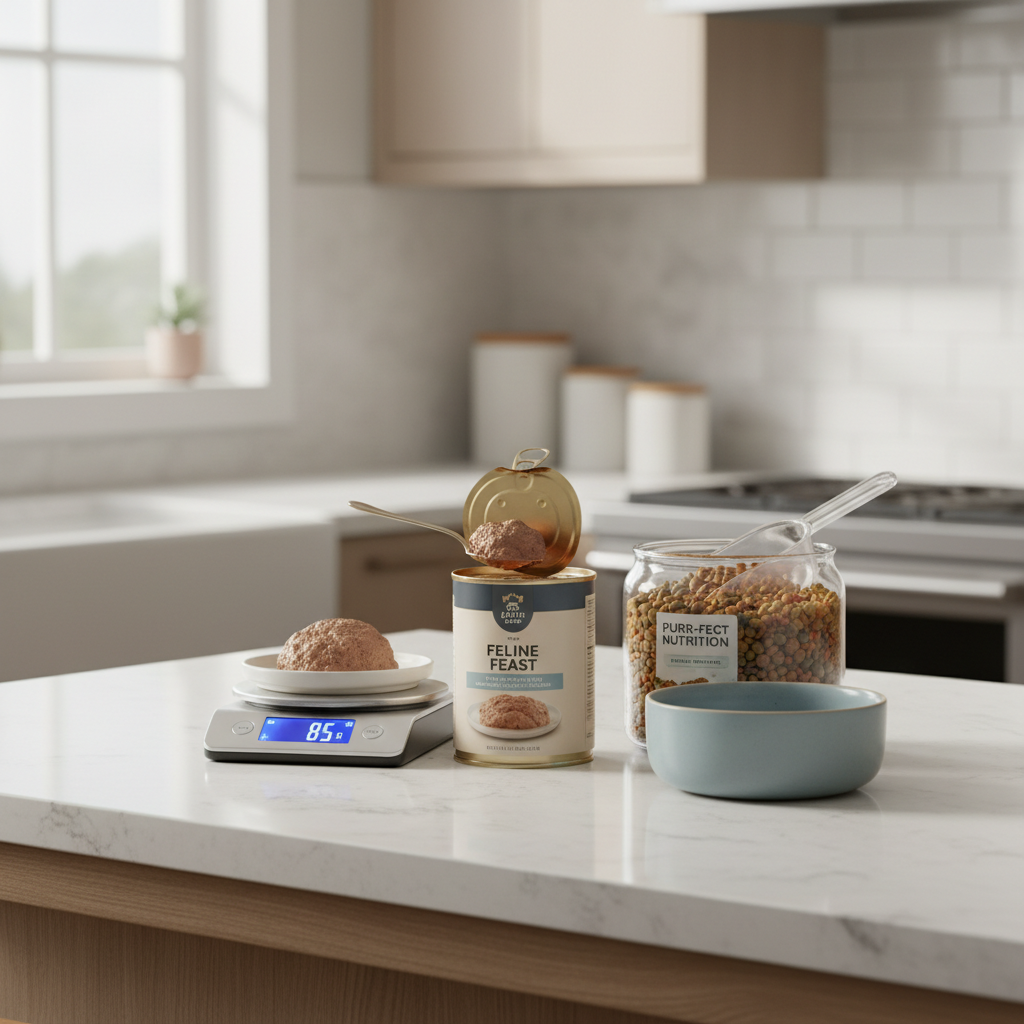
How to transition food without upsetting a big cat’s stomach
Most “this food made my cat sick” stories start with a too-fast switch, even when the new diet is perfectly fine. A slower transition is boring, but it prevents a lot of mess.
- Days 1–3: 75% old, 25% new.
- Days 4–6: 50% old, 50% new.
- Days 7–9: 25% old, 75% new.
- Day 10+: 100% new, adjust pace if stool softens.
If your Maine Coon has a history of GI sensitivity, stretching this schedule to 2–3 weeks often works better, and if vomiting or diarrhea keeps going, it’s safer to pause and talk with a veterinarian.
Common mistakes people make when shopping for Maine Coon food
A few patterns show up again and again, and they’re easy to fall into because marketing pushes them hard.
- Chasing “high protein” without checking calories: Some high-protein kibbles are also very energy-dense.
- Assuming grain-free equals healthier: Many cats do fine with grains, and digestion issues can come from many sources.
- Over-supplementing on top of complete food: Extra vitamins or minerals can create imbalance, especially in kittens.
- Ignoring water intake: Maine Coons can do well with mixed feeding, wet food plus fresh water options.
- Too many changes at once: New food plus new treats plus new feeder makes it hard to identify what helped.
According to the FDA, pet food recalls and safety alerts do occur across price points, so it’s worth registering for brand notifications and keeping the bag lot number until it’s finished.
When it’s time to involve a vet (and what to ask)
If you’re stuck, professional input saves time and can prevent your cat from sliding into chronic GI trouble or unhealthy weight. You don’t need to wait for an emergency to ask.
- Go sooner if you see repeated vomiting, blood in stool, significant weight loss, refusal to eat, or lethargy.
- Ask about ideal body condition score, daily calories, and whether a therapeutic diet makes sense.
- If cardiomyopathy is a concern in your line, ask what signs matter and whether diet changes are appropriate, don’t self-treat with supplements.
According to AAHA (American Animal Hospital Association), nutritional planning and weight management are core parts of preventive care, so it’s a normal topic to bring up at wellness visits.
Conclusion: a simple way to pick your “best” option for 2026
The best cat food for maine coon routines in 2026 usually look less like a single magic product and more like a repeatable system: choose an AAFCO-complete diet for the right life stage, match calories to activity, then watch coat, stool, and body condition for a few weeks before making another change.
If you want a low-stress next step, pick one formula in the lane that matches your cat, transition slowly, measure portions for two weeks, and take a few photos from above to track body shape, small signals beat guessing.
FAQ
- What is the best cat food for maine coon kittens?
Look for an AAFCO kitten or all life stages food from a reputable manufacturer, then prioritize consistency, big kittens still have sensitive digestion when food changes are rapid. - Do Maine Coons need a “large breed” cat food?
Not necessarily, there’s no formal large-breed cat standard like in dogs, what matters more is calorie control, protein quality, and nutrients that support joints and coat. - Is wet food better than dry food for Maine Coons?
Wet food can help hydration and satiety, but many Maine Coons do well on mixed feeding, the “better” choice depends on your cat’s weight, teeth, and budget. - How do I know if my Maine Coon is overweight?
You should usually feel ribs with light pressure and see a waist from above, if you’re unsure, ask your vet to score body condition and calculate daily calories. - My Maine Coon has hairballs, should I buy hairball formula?
Hairball formulas can help some cats due to added fiber, but brushing routines and hydration often matter just as much, if hairballs are frequent or your cat retches without producing, consult a professional. - Should I avoid chicken if my cat has a sensitive stomach?
Chicken is fine for many cats, sensitivity can be individual, if signs persist, a limited-ingredient or vet-guided elimination diet is more reliable than random protein hopping. - How often should I rotate flavors or brands?
Rotation isn’t required, and for sensitive cats it can backfire, if you rotate, do it slowly and keep notes so you can spot patterns.
If you’re trying to narrow down the best cat food for maine coon needs without buying three bags to “test,” it can help to share your cat’s age, weight trend, stool consistency, and current calorie intake with a vet or a qualified pet nutrition professional, they can usually point you toward a realistic shortlist faster.