
how to clean dog bed properly starts with treating it like a “high-touch” item in your home, because it collects hair, skin oils, drool, dirt, and sometimes fleas or mold-friendly moisture.
If you’ve ever washed a dog bed and it still smells “doggy” the next day, you’re not alone, many beds trap odor in foam cores, zippers, and seams where a quick wash cycle never reaches.
This guide breaks down what to do for different bed types (removable cover, waterproof liner, solid foam, shredded fill), what products are usually safe, and how to dry the bed fully so odor and bacteria don’t bounce back. I’ll also call out the mistakes that waste time, like using too much detergent or skipping the vacuum step.
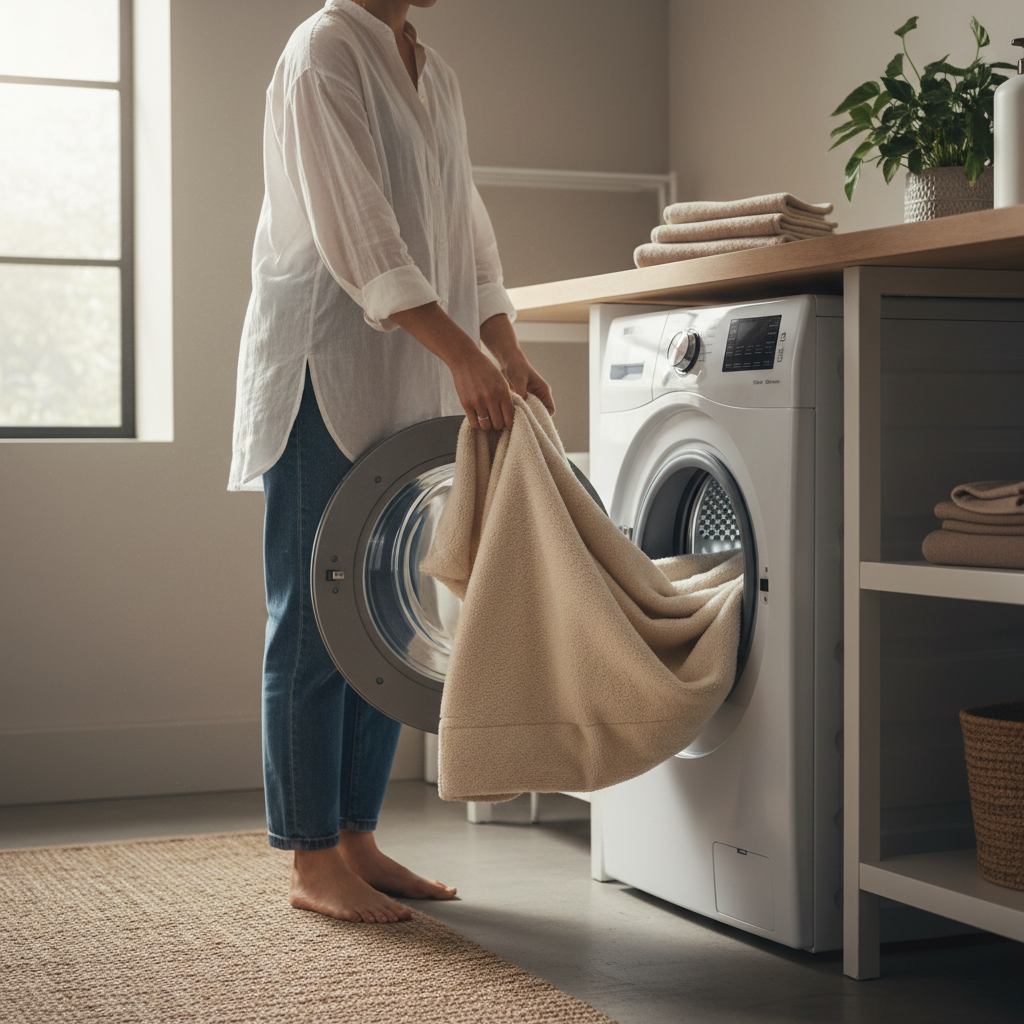
Know what you’re cleaning: bed materials and why it matters
Before you start, take 30 seconds to check the tag and the construction, it changes everything. A removable cover can usually handle a full wash routine, but a glued foam core or “no-zip” bed often needs spot-cleaning plus deodorizing instead of soaking.
- Removable cover + insert: easiest to deep clean, wash cover separately and treat the insert based on fill type.
- Waterproof liner: great for accidents, but odors can hide between liner and cover if you skip wiping it down.
- Solid memory foam: generally should not be fully soaked, it can hold water for a long time.
- Shredded foam / polyfill: more washable than solid foam, but clumps if not dried correctly.
- “Cuddler” beds with high bolsters: seams and corners trap hair and dander, vacuuming matters more than people expect.
According to the CDC, cleaning and disinfecting should be done with products used as directed on the label, including contact time, which matters if you’re trying to reduce germs after an accident or illness.
A quick self-check: do you need a deep clean or just a refresh?
You don’t need an all-out strip-and-sanitize every week, but you do want to match the effort to the problem. Here’s a practical way to decide.
| What you notice | Most likely cause | What to do |
|---|---|---|
| Light “dog smell” but no stains | Oils + dander in cover | Wash cover hot/warm (per label), add deodorizing step |
| Odor comes back fast after washing | Insert still dirty or not fully dry | Clean insert appropriately + longer dry time |
| Yellow/brown spots | Urine, saliva, skin oils | Enzymatic cleaner pre-treat + wash |
| Itchy household allergies seem worse | Dander + dust mites in fabric | More frequent hot wash (if allowed) + thorough vacuuming |
| Musty smell | Moisture trapped in foam | Dry aggressively, consider replacing insert if odor persists |
If your dog has skin issues, frequent licking, or you’re dealing with fleas, it may be worth coordinating cleaning with your vet’s plan, so you’re not just washing the bed while the root cause stays active.
Step-by-step: how to clean dog bed properly (the reliable routine)
This is the routine that works in most homes, because it handles hair first, then stains, then odor, and finally drying. Skipping the early steps usually means you end up rewashing.
1) Strip, shake, and vacuum before anything gets wet
- Remove the cover, liner, and any removable cushions.
- Shake outside to drop loose hair and grit.
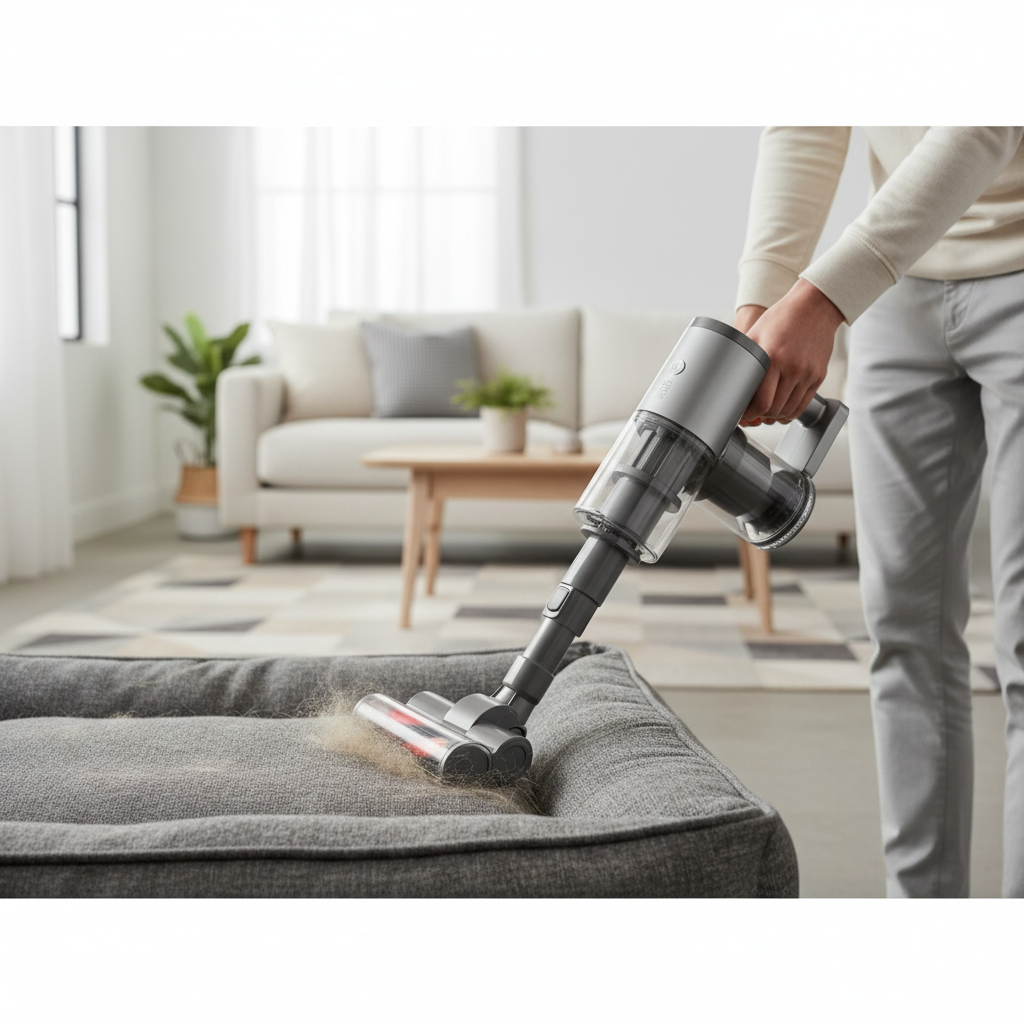
- Vacuum seams and corners, use a crevice tool, hair mats up in zippers and piping.
Why vacuuming matters: wet hair turns into felt, it sticks to fabric and can clog washers, especially with thick sherpa or faux fur covers.
2) Pre-treat stains and odor zones (don’t guess)
For urine, vomit, or “mystery stains,” an enzymatic cleaner is usually the most dependable option, it breaks down organic residue that regular detergent can leave behind. Follow the label and give it time to work, rushing this step is where most people lose the battle with odor.
- Urine: enzyme pre-treat, blot, then wash.
- Greasy spots: small amount of dish soap as a pre-treat can help, then rinse before washing to avoid oversudsing.
- General funk: baking soda on dry fabric for 30–60 minutes, then vacuum, works well as a “reset” before washing.
Avoid mixing cleaners “to make it stronger.” According to the American Cleaning Institute, you should not mix bleach with ammonia or acids because dangerous fumes can form, in real homes that mistake happens more than people admit.
3) Wash the cover with the right settings
Use the care label as your first rule, but these settings are a good baseline for many machine-washable covers.
- Water temp: warm is a common sweet spot, hot may help allergens but can shrink some fabrics.
- Cycle: heavy-duty or bulky if the cover is thick.
- Detergent: less than you think, extra detergent often traps odor by leaving residue.
- Extra rinse: helpful for sensitive dogs and for thick fabrics that hold soap.
If you’re trying to reduce allergens, washing more often usually beats using harsher chemicals once in a while, especially if your dog sleeps in the bed every day.
4) Clean the insert (foam or fill) without ruining it
This is the part that decides whether the bed smells clean or just “clean-ish.” Choose the method that fits what’s inside.
- Solid foam: spot-clean with a damp cloth and mild detergent, then blot, deodorize with baking soda, and dry for a long time with airflow.
- Shredded foam/polyfill insert: some are machine washable, use a gentle cycle and a large-capacity machine, then dry thoroughly to prevent clumping and mildew.
- Waterproof liner: wipe with mild soap, rinse, then disinfect only if needed and label-safe, let it dry fully before reassembling.
If a foam insert stays musty even after careful drying, replacement may be the more realistic fix, foam can hold onto odor deep inside, especially after repeated accidents.
5) Dry fully (this is where “properly” lives)
Most lingering odor is really moisture. Even if the cover feels dry, seams and foam can stay damp and sour.
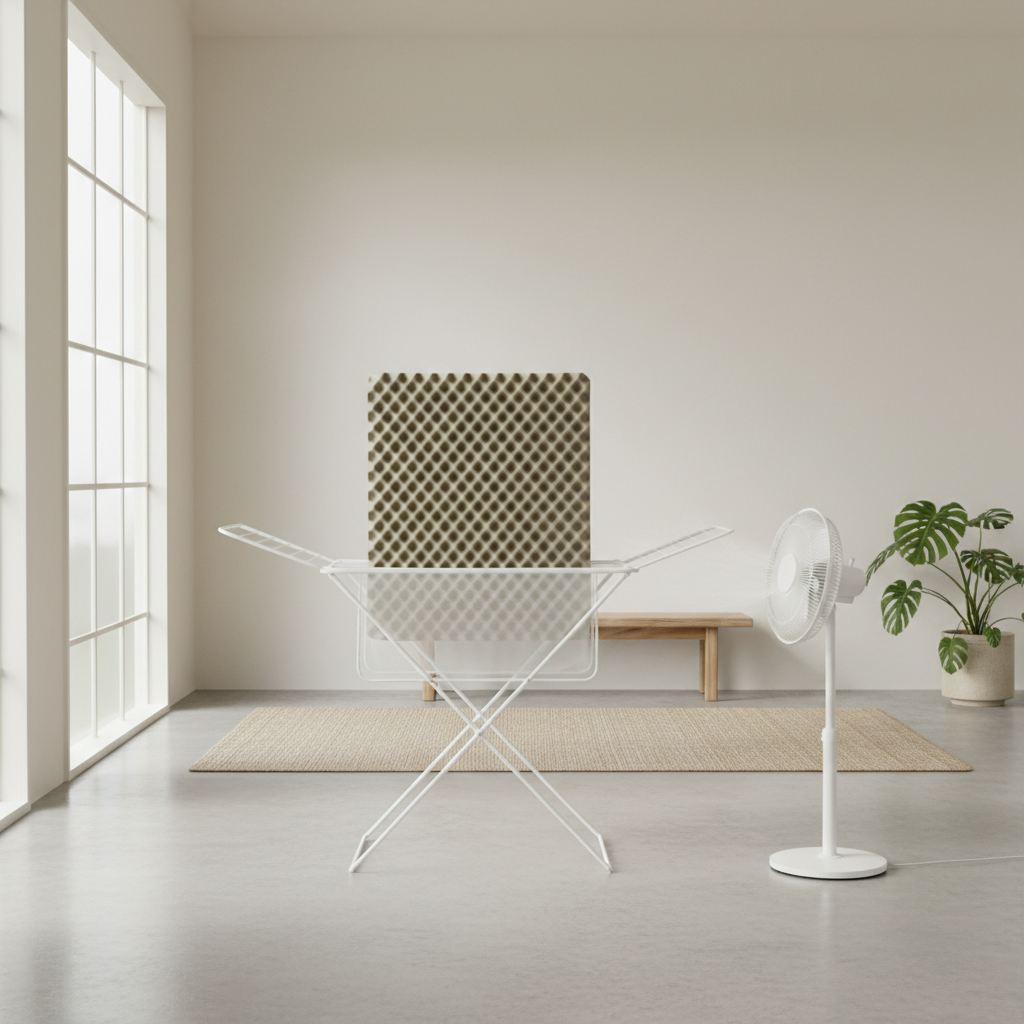
- Cover: tumble dry low if allowed, or air-dry with a fan aimed at the thickest areas.
- Insert: air-dry with strong ventilation, rotate it every few hours, sunlight can help but watch for fabric fading.
- Smell test: press your nose near seams and zippers, if it smells even slightly damp, keep drying.
Special situations: accidents, fleas, and “my washer can’t handle this”
Some situations need a different playbook, not more scrubbing. Here are the ones that come up most.
After a urine accident
- Blot first, don’t rub.
- Enzymatic cleaner with proper dwell time, then wash.
- Clean the floor under the bed too, odor can live there and make you think the bed failed.
If you suspect fleas
Washing bedding can help reduce flea dirt and eggs, but it rarely solves the whole problem alone. Many cases require treating the pet and home together, your vet or a licensed pest professional can advise what’s appropriate for your situation.
If the bed is too large for your machine
- Use a laundromat with a large-capacity washer for bulky items.
- Hand-wash the cover in a tub, then rinse until water runs clear, detergent residue is a common odor source.
- Consider buying a second cover, so you can rotate without rushing drying.
Common mistakes that keep odors and stains coming back
Most people aren’t “bad at cleaning,” they just miss one small step and the bed never truly resets.
- Too much detergent or fabric softener: residue traps dirt and odor, and softeners can reduce absorbency.
- Washing everything together: the cover needs room to move, a packed washer often leaves grime behind.
- Skipping the insert: the cover smells clean, but the core stays oily and musty.
- Not drying long enough: especially for bolsters, corners, and memory foam.
- Using harsh disinfectants routinely: unnecessary for normal dirt, and some products irritate sensitive dogs.
A simple maintenance schedule (so you deep clean less)
If your goal is “clean enough without thinking about it every weekend,” a light routine beats occasional marathon washes. Adjust based on shedding, outdoor time, and whether your dog has allergies.
- Weekly: vacuum the bed surface and seams, quick lint roll if fabric grabs hair.
- Every 2–4 weeks: wash the cover, wipe the liner, sprinkle baking soda if odor builds up.
- Quarterly or as needed: deeper clean for the insert, check zippers and seams, replace if foam stays musty.
Key takeaway: how to clean dog bed properly is less about “stronger” products and more about pre-removing hair, using enzymes for organic messes, and drying until the bed is truly moisture-free.
When you should consider professional help or replacement
Sometimes cleaning hits a ceiling, and pushing harder just wastes time. These are the moments to pause.
- Persistent musty odor after full drying, it could be mildew in the foam core.
- Repeated accidents from illness or anxiety, a veterinarian or behavior professional may help you address the cause while you protect the bed with a waterproof liner.
- Severe allergies or asthma at home, talk with a healthcare professional for tailored advice, and consider more frequent washing plus HEPA vacuuming.
- Bed foam crumbling or staying flat, the hygiene problem may be secondary to worn-out materials.
Conclusion: a cleaner bed with less guesswork
Once you treat the dog bed like a layered system, cover, liner, insert, the cleaning becomes predictable, and the smell usually stops “mysteriously returning.” Pick one day to reset it, then keep it under control with a vacuum-and-wash rhythm that fits your household.
If you want a straightforward next step, start today with a seam-level vacuum and an enzyme pre-treat on any stain you can spot, then wash the cover and dry longer than you think you need.
FAQ
How often should I wash a dog bed?
For many homes, washing the cover every 2–4 weeks works well, but heavy shedders, outdoor dogs, or allergy-prone households often benefit from weekly washing. If odor returns quickly, focus on the insert and drying.
Can I use bleach to clean a dog bed?
Sometimes, but only if the care label allows it and you use the correct dilution and contact time. Many fabrics and foams don’t tolerate bleach well, and mixing bleach with other cleaners can be unsafe, so it’s usually better to start with enzymes and thorough drying.
What’s the best way to remove urine smell from a dog bed?
An enzymatic cleaner is usually the most effective for urine because it targets organic residue. Apply it as directed, let it sit, then wash and dry completely, otherwise the smell can rebound when humidity rises.
Why does my dog bed still smell after washing?
The most common causes are detergent residue, a dirty insert, or moisture trapped in seams and foam. Try an extra rinse, clean the insert appropriately, and extend drying with airflow before reassembling.
Is vinegar safe to use on dog bedding?
Many people use diluted white vinegar as a deodorizing rinse, but results vary by fabric and washer type. If your dog has sensitive skin, an extra plain-water rinse can be a gentler choice, and you can ask your veterinarian if you’re unsure.
Can I put a memory foam dog bed in the washer?
Usually not a good idea unless the manufacturer specifically says it’s machine washable. Solid foam can hold water and dry very slowly, which can lead to a musty smell, spot-cleaning and long air-drying are safer in many cases.
How do I dry a dog bed fast without ruining it?
Dry the cover on low heat if allowed, and use strong airflow for the insert, fans and rotating the foam help a lot. High heat can warp some foams and shrink covers, so “faster” isn’t always worth the risk.
If you’re trying to keep odors under control but don’t want to wrestle a bulky bed every time, consider a setup with a removable cover and a waterproof liner, it makes regular cleaning much more manageable and helps you stay consistent.