
Best wet cat food for indoor cats usually comes down to a few unglamorous details: calorie density, protein quality, moisture level, and whether the recipe supports common indoor issues like weight gain, hairballs, and picky eating. If your cat lives inside, moves less, and snacks more, the “best” choice often looks different than what works for an outdoor roamer.
It’s worth getting this right because wet food can be a big lever for hydration and portion control, but it can also accidentally add a lot of calories if you pick rich pâtés and free-feed. Many people blame the brand when the real problem is serving size, treat creep, or a recipe that’s too energy-dense for a couch connoisseur.
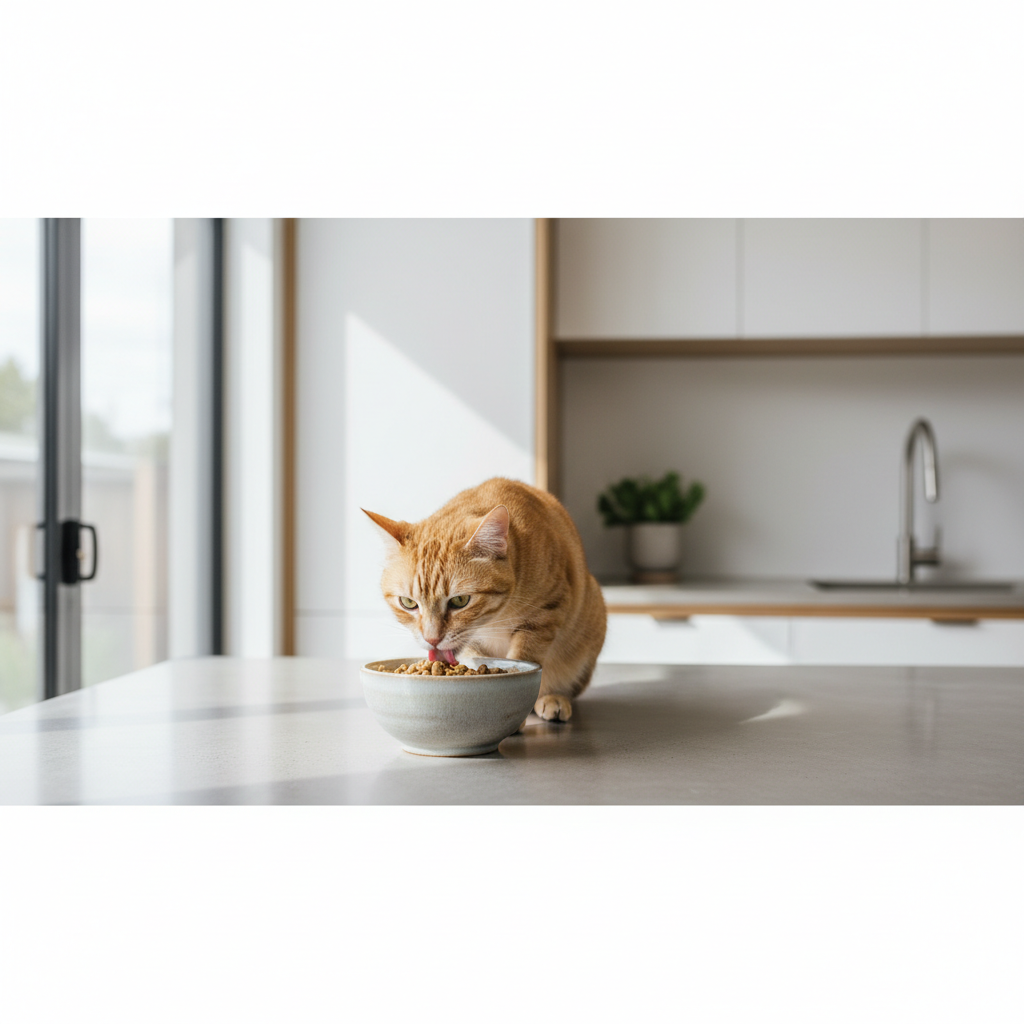
This guide helps you narrow options without pretending there’s one perfect can for every cat. You’ll get a practical checklist, a quick table to match food types to common indoor-cat goals, and a simple way to transition without stomach drama.
What “best” means for indoor cats (and why it’s not the same as “premium”)
Indoor cats tend to burn fewer calories, drink less water than we wish, and deal with more low-grade issues that owners chalk up to “just cat stuff.” That’s the lens to use when judging wet food.
- Calorie control: Many indoor cats gain weight quietly, then suddenly your vet says “we should talk.” Wet food can help, but only if calories per can and portions fit your cat.
- Moisture as a feature: Wet food boosts water intake, which many vets like for urinary health support, though individual needs vary.
- Hairball management: Indoor cats groom more and often shed year-round. Diet won’t “solve” hairballs alone, but fiber and digestibility can help.
- Picky eating reality: Texture and aroma matter. For many cats, a technically great formula is useless if they refuse it.
According to the Association of American Feed Control Officials (AAFCO)... a complete and balanced pet food should meet nutrient profiles for the stated life stage. In practice, that “complete and balanced” line on the label is your baseline; after that, you’re choosing the best fit for your cat’s body and habits.
Quick comparison table: match wet food features to your indoor-cat goal
If you’re stuck between ten “top” lists, use this table to decide what to prioritize before you shop.
| Indoor-cat goal | What to look for | Common tradeoffs |
|---|---|---|
| Weight control | Lower calories per can, higher protein, clear feeding guide | Some “light” foods feel less satisfying; may need slow feeder or more meals |
| Hairball support | Added fiber (e.g., beet pulp, psyllium), good digestibility | Too much fiber can loosen stools in some cats |
| Urinary support mindset | High moisture, consistent intake, veterinary diet if prescribed | Prescription formulas can be pricey; not all cats need them |
| Senior comfort | Softer texture, moderate phosphorus (ask your vet if kidney concerns) | Some seniors need higher calories; “less” is not always better |
| Picky eater | Strong aroma, variety pack, mixed textures (pâté + gravy) | Frequent switching can trigger stomach upset for sensitive cats |
Ingredient and label cues that usually matter (and a few that matter less)
When people ask for the best wet cat food for indoor cats, they often want a brand name, but label-reading gets you farther than brand loyalty. Here’s what tends to be useful.
Higher-value cues
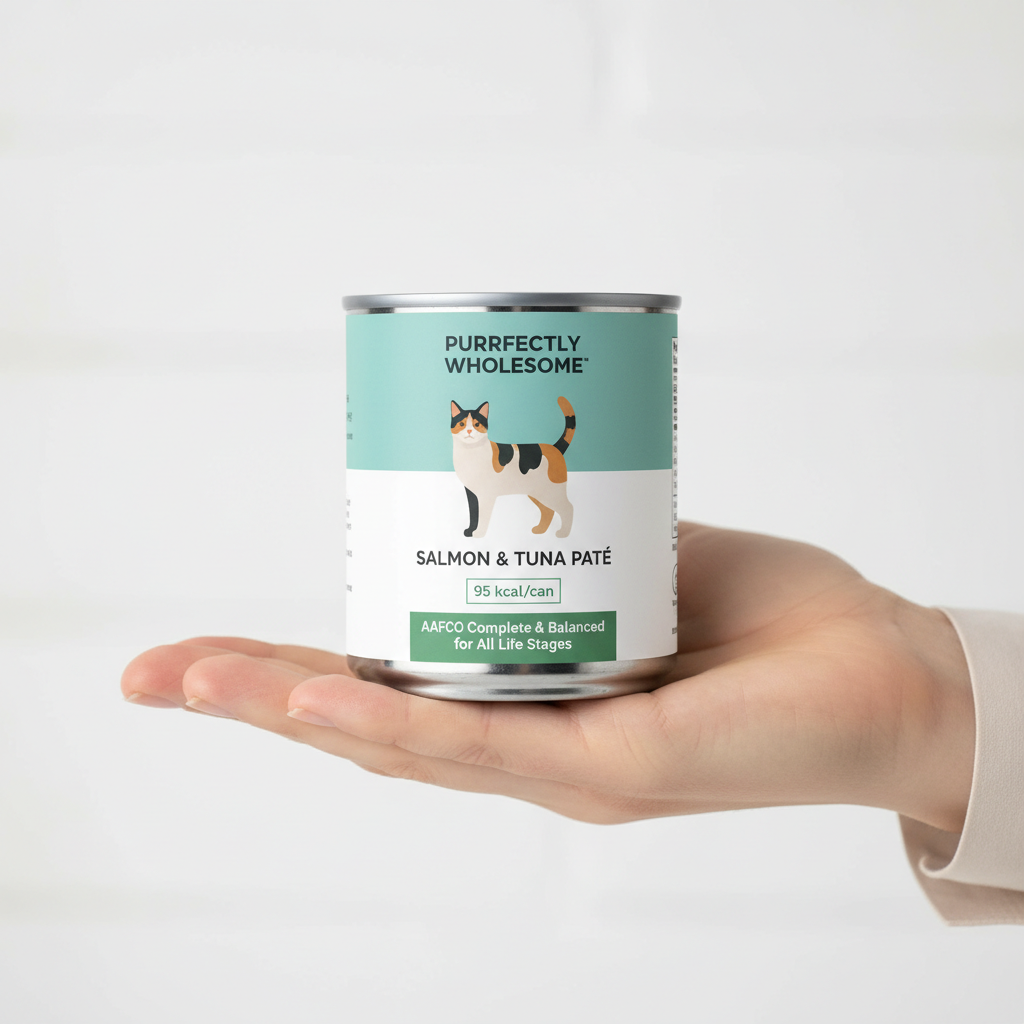
- Complete and balanced claim: Look for “AAFCO” language and the correct life stage (adult maintenance, all life stages, etc.).
- Protein sources you can recognize: Chicken, turkey, salmon, beef, and named organ meats are common; the “best” choice depends on tolerance and allergies.
- Calories (kcal) on the label: This is a practical anchor for indoor cats. If calories aren’t easy to find, that’s a minor red flag for day-to-day feeding.
- Texture and moisture: Pâté often packs more calories per bite; shredded in broth/gravy can be easier for portioning, though recipes vary.
Cues that can distract you
- “Grain-free” as a default rule: Some cats do fine with grains, some don’t; it’s not automatically better for indoor living.
- Buzzwords like “holistic”: Not meaningless, but also not a nutrition standard. Judge by guaranteed analysis, calories, and your cat’s response.
According to the American Veterinary Medical Association (AVMA)... pet owners should work with a veterinarian to choose an appropriate diet and portion sizes, especially when weight or medical issues are involved. Translation: the label is step one, your cat’s body condition is step two.
A fast self-check: which indoor-cat scenario are you actually solving?
Before you switch foods, get clear on the problem. Otherwise you’ll rotate cans forever and still feel stuck.
- Your cat is gaining weight: You notice less waistline, more “pad,” and begging increases. Often the fix is calories and meal structure, not a magical ingredient.
- Hairballs are frequent: You see regular coughing/hacking or hair in stool. Grooming and fiber tweaks often work better than constant flavor hopping.
- Stools are inconsistent: Soft stool after new foods, or intermittent vomiting. This points to transition speed, intolerance, or too many changes at once.
- Your cat drinks very little: Litter clumps are small, water bowl barely touched. Wet food helps hydration, but urinary signs still deserve a vet call.
- Picky behavior: Eats one flavor for a week then refuses. Sometimes that’s boredom, sometimes dental discomfort, sometimes the food is too cold or too dry on top.
If more than one applies, prioritize the one that affects health most (weight loss plan, urinary symptoms, repeated vomiting) and tackle pickiness second.
How to choose the best wet cat food for indoor cats: a practical framework
This is the part that saves time. You’re not trying to find “the best brand,” you’re trying to find the best fit that your cat will eat consistently.
Step 1: Start with calories and portions
- Find kcal per can or per ounce, then compare across options you’re considering.
- If your cat needs weight control, lean toward lower-calorie formulas and split into 2–4 smaller meals.
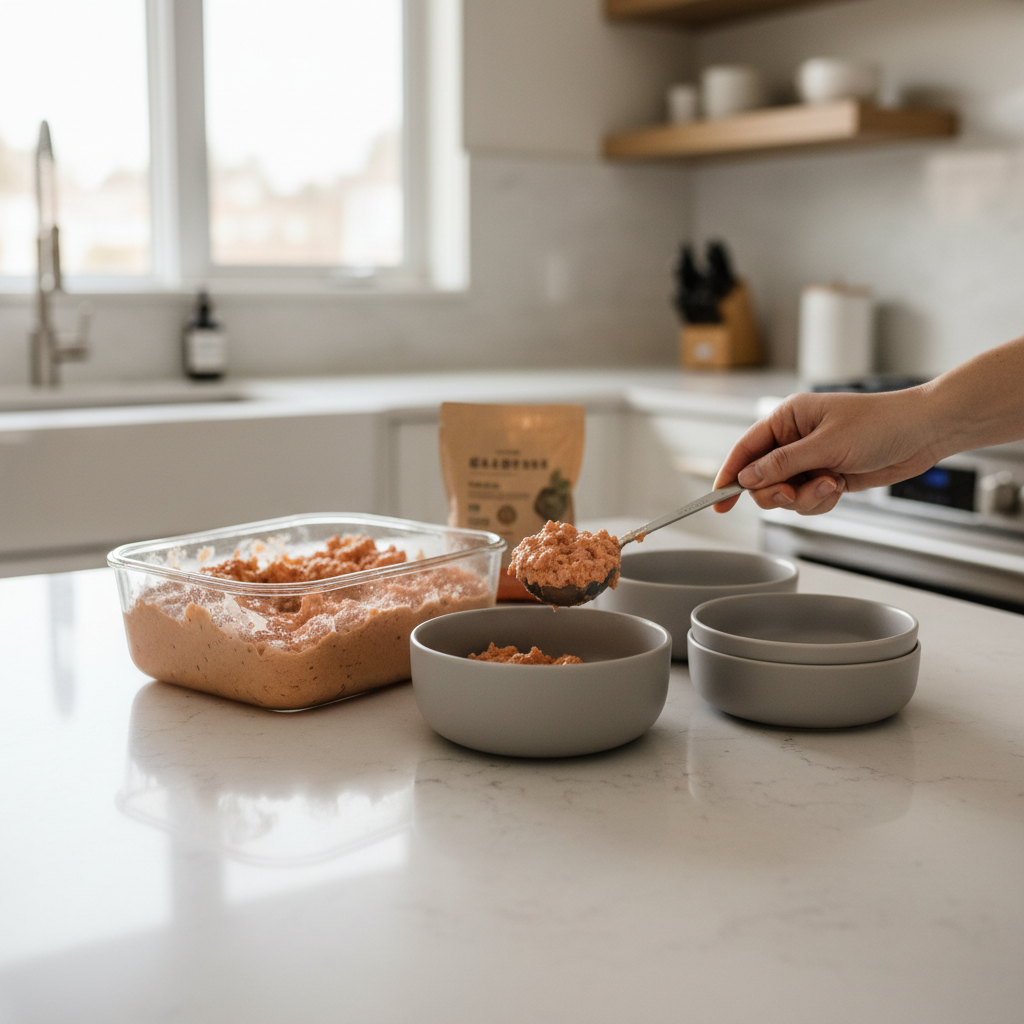
- Measure for a week. Guessing portions is where indoor cats quietly gain.
Step 2: Pick a texture your cat will reliably finish
- Pâté works well for many cats, but some do better with shreds in gravy or mousse-style foods.
- Warm slightly by mixing with warm water, it boosts aroma and adds hydration.
Step 3: Decide whether you need a “functional” formula
- Hairball support: Try a gentle fiber boost from a hairball-targeted wet recipe, then reassess in a few weeks.
- Sensitive stomach: Choose simpler protein profiles and avoid rotating flavors daily.
- Urinary concerns: If your vet recommends a therapeutic diet, follow that plan rather than DIY.
According to the World Small Animal Veterinary Association (WSAVA)... a good approach is choosing diets from manufacturers with strong quality control and nutrition expertise. That doesn’t force one label, but it’s a useful standard when you’re comparing options.
Feeding and transition tips that actually prevent “my cat hates it” problems
Most wet food “fails” because of the process, not the product. Indoor cats are routine-driven, and their gut tends to be honest about sudden changes.
- Transition over 7–10 days for sensitive cats: 75/25, 50/50, 25/75, then full switch.
- Keep meals small and fresh: Cover and refrigerate leftovers promptly, toss if it sits out too long.
- Use a two-texture strategy: If your cat gets bored, rotate textures (pâté vs shreds) while keeping the protein similar.
- Don’t “train” refusal: If you offer five replacements after a snub, many cats learn to hold out for the next option.
If vomiting, diarrhea, or appetite loss persists beyond a short transition period, it’s safer to pause the change and check with a veterinarian, especially for kittens, seniors, and cats with chronic conditions.
Common mistakes indoor-cat owners make with wet food
- Assuming wet food equals weight loss: Some wet recipes are very calorie-dense, so weight can still climb if portions drift.
- Mixing too many foods at once: Variety sounds enriching, but it can make it impossible to pinpoint what upsets your cat’s stomach.
- Ignoring treats and toppers: Treats can quietly add a big share of daily calories for indoor cats.
- Overfocusing on one ingredient: A single “superfood” doesn’t compensate for poor overall balance.
One more thing people miss: dental discomfort can masquerade as pickiness. A cat that licks gravy but avoids chunks might not be “spoiled,” it might be sore.
When to ask your vet (or a veterinary nutritionist) for help
Wet food is still food, not a treatment plan. If any of these show up, bring in a professional opinion rather than chasing the best wet cat food for indoor cats through trial and error.
- Repeated vomiting, persistent diarrhea, or blood in stool
- Straining in the litter box, frequent trips, or crying while urinating
- Fast weight loss or weight gain, especially in a short window
- Known kidney disease, diabetes, pancreatitis, or food allergy diagnosis
- Senior cats with appetite changes that feel “off”
A vet can help you set a target calorie intake, check body condition score, and recommend whether a therapeutic diet makes sense.
Key takeaways + a realistic conclusion
The best choice usually ends up being the wet food your indoor cat eats consistently, that fits your calorie plan, and that doesn’t trigger digestive issues. Start with the label basics, then let your cat’s weight trend, stool quality, coat, and appetite guide the final decision.
If you want an easy next step, pick two candidates: one standard complete-and-balanced option and one functional option aligned with your main goal, then transition slowly and measure portions for two weeks. You’ll learn more from that than from a dozen “top brand” lists.
FAQ
- What is the best wet cat food for indoor cats who don’t drink water?
Often it’s a high-moisture, complete-and-balanced recipe your cat will eat daily, plus a bit of added warm water for extra hydration. If you notice urinary signs, talk with a vet because hydration alone might not address the cause. - Is pâté or shredded wet food better for indoor cats?
Neither is universally better. Pâté can be easier to portion cleanly, shredded in broth can encourage hydration and slower eating; your cat’s preference and calorie needs decide. - How much wet food should an indoor adult cat eat per day?
It depends on calorie needs, body size, and treats. Use kcal on the label, track weight for a couple weeks, and adjust gradually; a veterinarian can help set a safe target if weight is a concern. - Can wet food help with hairballs in indoor cats?
It can help indirectly by improving hydration and, in some formulas, adding fiber that supports hair moving through the gut. Grooming routines still matter a lot, and chronic hairball vomiting warrants a vet check. - Should indoor cats eat “indoor” labeled wet food specifically?
Sometimes those formulas aim for calorie control or hairball support, but the label alone doesn’t guarantee a better fit. Compare calories, protein sources, and your cat’s results. - Is grain-free wet food better for indoor cats?
Not automatically. Many cats tolerate grains fine, and intolerance is individual. If you suspect sensitivity, change one variable at a time and consider professional guidance. - Why does my indoor cat eat a wet food for a week then refuse it?
It can be boredom, a texture issue, or the food drying out between servings. Try smaller servings, slight warming, and rotating textures rather than constantly switching proteins.
If you’re trying to pin down the best wet cat food for indoor cats without buying a cabinet full of half-used cans, consider keeping a simple log for two weeks: brand/recipe, kcal fed, stool notes, and weight trend. If you want a more hands-off plan, a vet or veterinary nutritionist can help you narrow options and portions faster than trial-and-error.