
Hamster cage corner litter box small setups can work surprisingly well, but only when the box fits your hamster’s body size, your cage layout, and the way your pet already chooses a “bathroom corner.” If you pick the wrong shape or put it in the wrong spot, you often get a corner full of kicked-out litter and a hamster that keeps peeing somewhere else.
This matters because hamster waste is a small thing that turns into a daily chore fast, especially in smaller habitats where odor builds quicker and damp bedding can irritate feet. A good corner potty won’t make your cage “maintenance-free,” but it can cut down on full bedding changes and make spot-cleaning feel less endless.
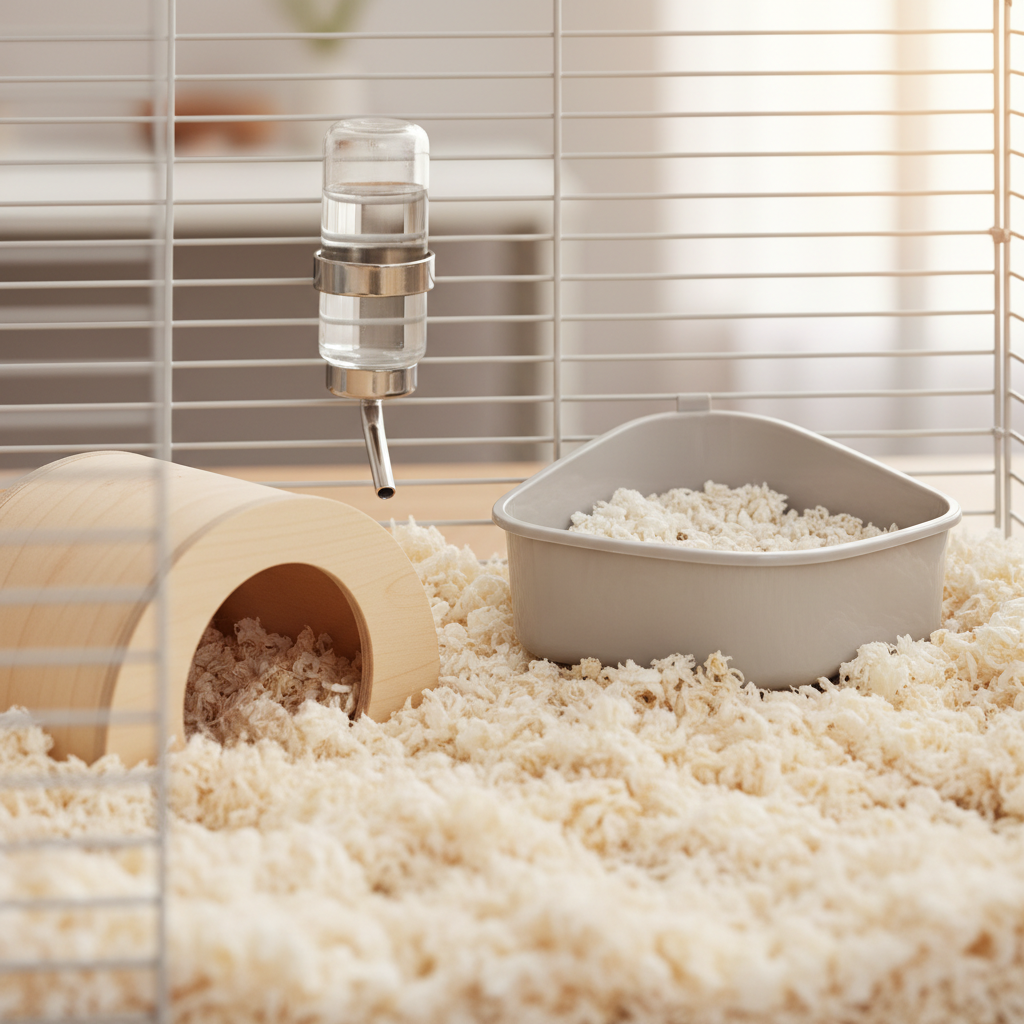
I’ll walk you through why some hamsters take to a corner potty immediately while others ignore it, how to choose a genuinely small size (not “small-ish”), and how to set it up so your hamster does most of the work for you.
Why a small corner litter box sometimes fails (and what that tells you)
Most “it doesn’t work” situations are really mismatch problems, not stubborn-hamster problems. A corner potty relies on instincts: hamsters tend to pick a consistent toilet area, often a corner, but they still need comfort and easy access.
- Box is too tall or too narrow, your hamster can’t step in smoothly, or turns awkwardly and chooses the bedding instead.
- Wrong corner, you chose the “tidy” corner, your hamster chose the “private” corner behind a hide.
- Litter texture feels wrong, too dusty, too sharp, or too slippy, so the hamster avoids standing on it.
- It competes with a sand bath, some hamsters pee in sand, others keep sand strictly for bathing, mixing these can confuse routines.
- Cage layout blocks it, wheels, tunnels, and chew toys create traffic, and hamsters avoid toileting in high-traffic zones.
According to the American Veterinary Medical Association (AVMA), good hygiene in small-animal habitats helps reduce ammonia odors and supports overall welfare, which is exactly why corner potty training is worth the try even if it takes a week or two to click.
Quick self-check: are you a good candidate for a small corner potty?
Before you buy another accessory, take two days and observe. You’re looking for consistency, not perfection.
Signs a hamster cage corner litter box small setup will likely work
- Your hamster urinates in the same corner most days.
- Poops appear clustered in one zone (even if not perfectly contained).
- Your hamster already prefers a “toilet corner” away from the nest.
- You can dedicate one corner that won’t be blocked by hides or ramps.
Signs you may need a different approach
- Urine spots show up in multiple corners and rotate frequently.
- Your hamster pees inside the hide or near the wheel base every night.
- Your habitat is extremely small, and every corner is also a sleeping or food area.
If your hamster’s habits look scattered, don’t force it. In many cases, improving bedding depth, adding a sand bath, or adjusting hide placement gives you a “natural” toilet zone you can then capture with a corner box.
How to choose the right “small” size (without guessing)
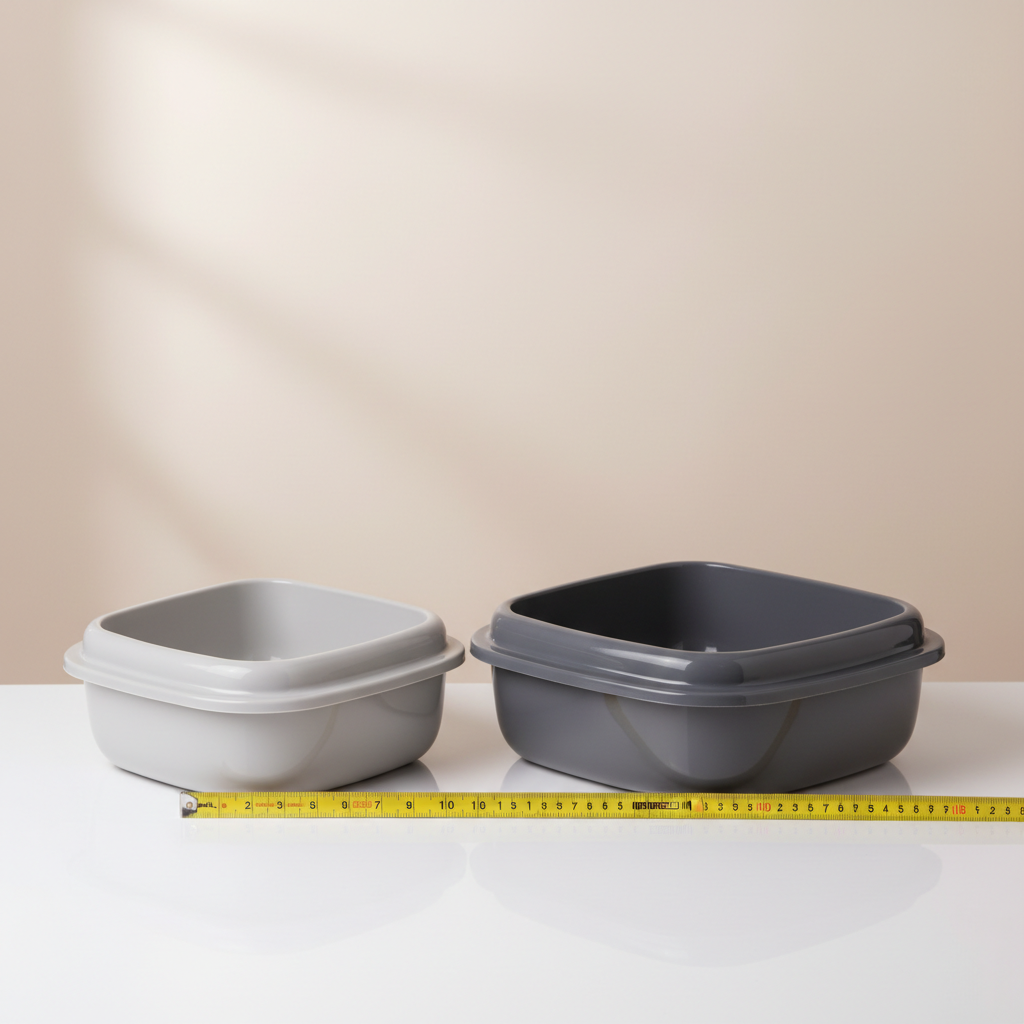
Packaging can be vague, so think in practical fit: step-in height, turn-around space, and how much litter you can keep inside without it spilling instantly.
| What to check | What usually works for “small” | Why it matters |
|---|---|---|
| Entry height | Low front lip | Easier access, fewer accidents at the edge |
| Back wall height | Moderate, not towering | Helps contain scatter without feeling like a cave |
| Floor space | Enough for a quick turn | If they can’t pivot comfortably, they won’t commit |
| Surface grip | Textured or matte plastic | Slippery floors make hamsters bail out mid-use |
| Cleaning access | Smooth corners, simple shape | Fast daily scoops matter more than fancy features |
A hamster cage corner litter box small model is often ideal for dwarf hamsters and for tight layouts, while Syrians may still need a “small” that’s wider than you’d expect. If your hamster has to squeeze, treat that as a no.
Litter choices: what’s safe, what’s practical, what to avoid
Litter is where many well-meaning owners accidentally create a safety issue. Dust and sharp particles can irritate eyes and airways, and some materials can be dangerous if swallowed.
Commonly used options (choose based on your hamster and your tolerance for cleaning)
- Paper-based litter: usually low dust, soft, easy to spot-clean, can track a bit.
- Aspen shavings (only aspen, not aromatic woods): can work, but may scatter more in a small corner tray.
- Sand (non-dusty, pet-safe): many hamsters love it, but some will treat it as a bath, not a toilet.
Materials many owners avoid
- Clumping cat litter: clumping can be risky if ingested and can stick to damp fur.
- Fragranced litters: odor-masking scents can be irritating in a small enclosure.
- Cedar or pine bedding in the potty: aromatic oils are controversial for small mammals, many keepers steer clear.
According to the ASPCA, small pets can be sensitive to dusty or irritating substrates, so when in doubt, pick a low-dust, unscented option and watch for sneezing, watery eyes, or foot redness, and consult a veterinarian if symptoms persist.
Setup that actually gets results: placement, scent transfer, and patience
The most reliable “training” is basically gentle cheating: you put the box where your hamster already goes, and you move a little of the smell into it so it becomes the obvious bathroom spot.
- Start with the chosen corner: place the potty exactly on the existing pee area, even if it’s not the corner you wanted.
- Transfer scent: move a small piece of soiled bedding into the tray, not a handful, just enough to signal purpose.
- Keep the nest separate: avoid placing the potty adjacent to the sleeping hide entrance.
- Stabilize the tray: press it into bedding or anchor it so it doesn’t wobble when stepped on.
- Leave it alone: constant repositioning resets the learning, give it several days.
If you’re using a sand bath, decide what you want it to be. Many setups work best with sand bath for bathing and corner tray for toileting, but some hamsters do the opposite, in that case you can lean into their preference rather than fighting it.
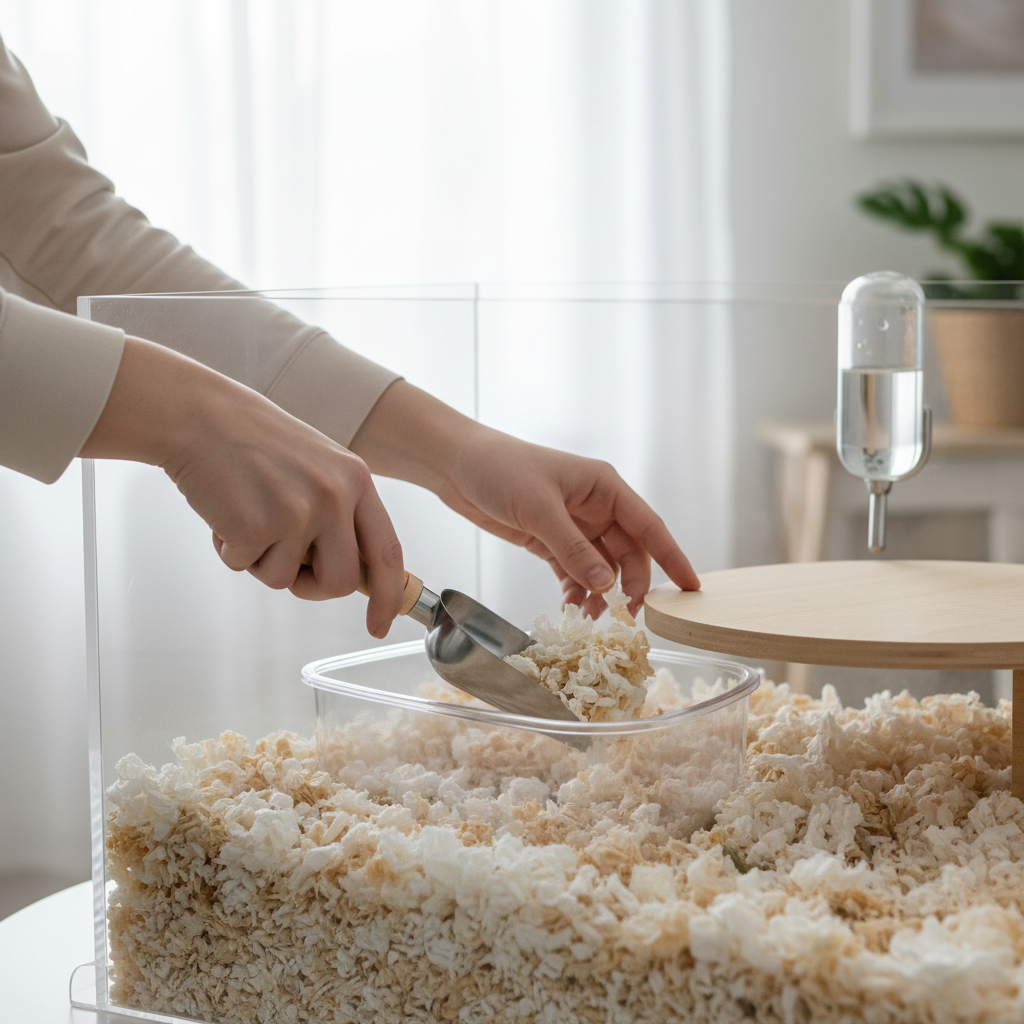
One more practical point: a hamster cage corner litter box small tray works better when it’s part of a routine. Scoop daily, replace litter as needed, and keep the surrounding bedding dry so the “bathroom corner” stays clearly different from the rest of the habitat.
Real-world cleaning routine (fast, realistic, and not obsessive)
People burn out when they treat hamster cleaning like a full reset every time. A corner potty is supposed to reduce workload, not add steps.
A simple routine many owners stick with
- Daily (1–2 minutes): remove wet litter, pick out obvious poop, wipe the tray edge if needed.
- Weekly-ish: rinse the tray with warm water, dry fully, refresh litter completely.
- As needed: if odor spikes, check for hidden pee spots under the wheel, hides, and platforms.
If your cage smells “cleaned but still weird,” it’s often a damp pocket under an accessory, not the tray itself. Fix the source, and the corner potty starts feeling like a win again.
Mistakes that slow progress (even when you bought the right box)
- Washing the tray with strong-smelling cleaners: lingering scent can discourage use, mild soap and thorough rinsing usually works better.
- Trying to train by scolding: hamsters don’t connect punishment with toilet location, it mostly increases stress.
- Overfilling the tray: too much litter means more kicking and scatter, keep a shallow, functional layer.
- Expecting 100% containment: poop is often dropped around the cage, even by tidy hamsters, focus on urine control.
Also, if your hamster suddenly stops using the potty after weeks of consistency, think change: new bedding brand, tray moved during deep clean, different hide arrangement, or health discomfort that makes climbing the lip annoying.
When to ask a professional (or at least pause and reassess)
A corner litter box is a convenience tool, not a health solution. If you see anything that looks off, it’s worth slowing down and getting eyes on the situation.
- Blood in urine, straining, or frequent tiny wet spots can indicate urinary issues, contact an exotic vet.
- Persistent sneezing after changing litter may suggest dust irritation or sensitivity, consider switching substrates and consult a veterinarian.
- Wet tail symptoms like diarrhea or lethargy need prompt veterinary guidance, especially in younger hamsters.
According to the American Animal Hospital Association (AAHA), establishing veterinary care and seeking advice early when symptoms appear can prevent small issues from becoming emergencies, and small mammals often decline quickly when they feel unwell.
Key takeaways before you buy (or re-buy)
- Follow your hamster’s chosen corner, not the corner that looks best to you.
- A true small tray needs easy entry and turn-around space, otherwise it becomes decor.
- Choose low-dust, unscented litter, and avoid clumping products.
- Success looks like less wet bedding, not a perfectly tidy cage.
Conclusion: the small corner box is worth it, with the right expectations
A hamster cage corner litter box small choice pays off when you treat it like habit support, not a strict training program. Put it in the corner your hamster already prefers, use a safe litter that feels good under tiny feet, and keep cleaning light but consistent.
If you want one action step today, do this: identify the most consistent pee corner, place the tray there, and move a small amount of soiled bedding into it, then give it a week before judging.
FAQ
How long does it take for a hamster to use a corner litter box?
Many hamsters show improvement within a few days, but a week or two is common. If the tray is in the “wrong” corner, progress can stall indefinitely until placement changes.
Is a small corner litter box okay for a Syrian hamster?
Sometimes, but only if the footprint lets your Syrian step in and pivot comfortably. If your hamster looks cramped or avoids the tray, sizing up is usually kinder and often more effective.
What litter works best in a corner potty for hamsters?
Low-dust, unscented paper litter is a frequent go-to because it’s soft and easy to scoop. Some hamsters do great with non-dusty sand, but it depends on whether they treat sand as a bathroom or a bath.
Can I use cat litter in a hamster litter box?
Many owners avoid clumping cat litter due to ingestion and clumping risks. If you’re unsure what’s safe for your specific hamster, a veterinarian familiar with small mammals can help you choose a substrate.
Why is my hamster sleeping in the litter box?
This usually means the tray feels like a hide or the cage lacks cozy nesting options. Try adding an appropriate hide and nesting material, and make sure the tray is not the most “covered” spot in the enclosure.
My hamster pees in the sand bath, should I still use a corner box?
If the sand bath has become the toilet, you can either accept that and clean it like a litter area, or add a separate bath and see if your hamster naturally separates “bath” and “bathroom” over time.
How often should I clean a corner litter box?
Spot-cleaning daily keeps odors down with minimal effort. A full change and rinse on a weekly-ish schedule works for many cages, but frequency can vary based on cage size and humidity.
If you’re trying to simplify cleaning but keep ending up with wet corners and scattered litter, it may help to pick a tray that matches your cage dimensions and your hamster’s habits, and pair it with a low-dust litter that’s easy to scoop, that combination is usually where things start feeling manageable.