
puppy soft toy plush non toxic is the kind of search you do when you’re not trying to buy “cute,” you’re trying to buy safe, especially if the toy will get chewed, drooled on, or dragged into the crib.
The tricky part is that “non-toxic” and “safe” get used loosely in product listings, and parents often assume a plush is harmless because it’s soft. In real life, the risk usually comes from materials, dyes, shedding fibers, and small attachments like eyes, ribbons, or squeakers.
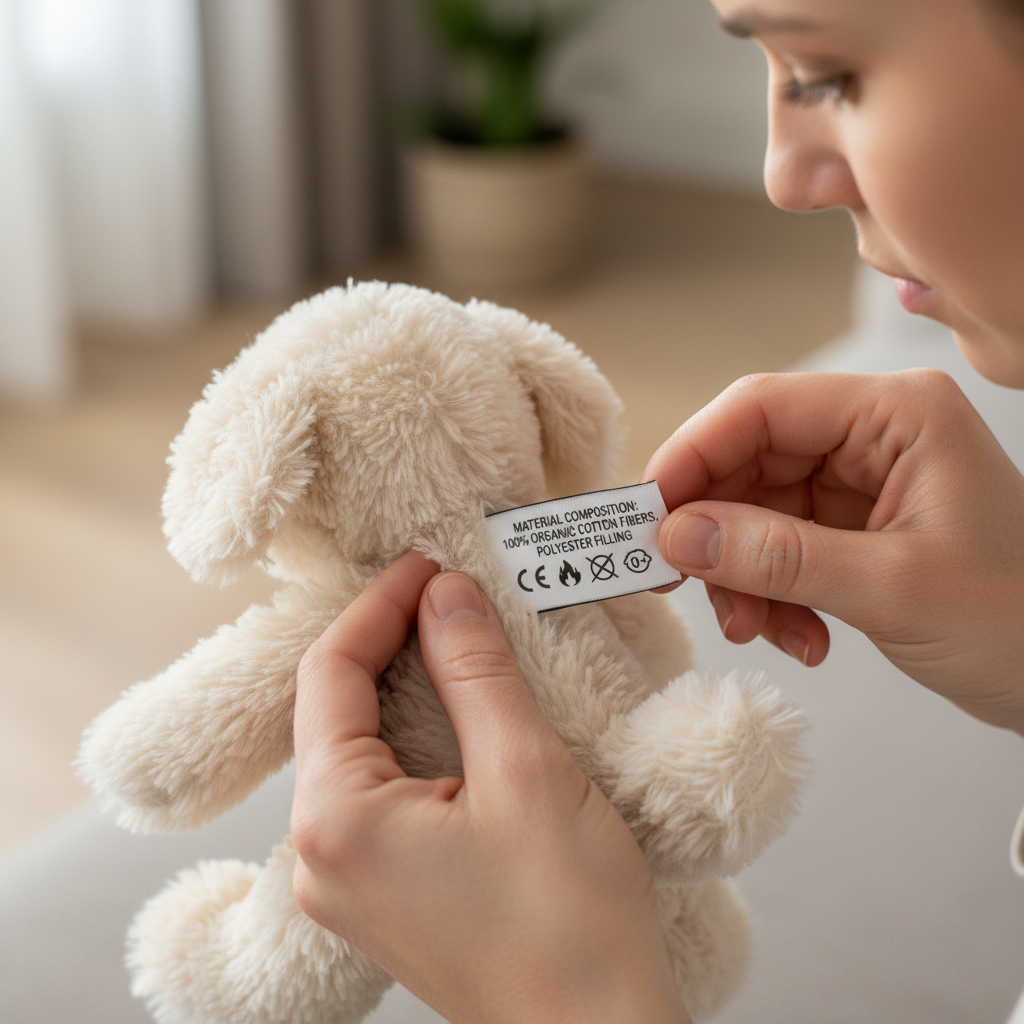
This guide helps you separate marketing from meaningful signals. You’ll get a quick checklist, what labels can (and can’t) tell you, and practical care tips so the plush stays cleaner and safer over time.
Why “non-toxic” matters for a puppy plush (and what “safe” really means)
For a baby or toddler, plush toys are basically “mouth toys,” even if they’re not sold that way. A soft puppy plush can be hugged, sucked, and used as a comfort object during sleep, which increases exposure to whatever is in the fabric and filling.
In day-to-day use, the most common safety issues tend to be simple:
- Loose parts: plastic eyes, glued noses, buttons, bows, or stitched-on accessories that can detach.
- Low-quality dyes/finishes: strong chemical odor, color transfer when wet, or irritated skin in sensitive kids.
- Shedding fibers: linty plush that pills or sheds, especially after washing.
- Hard components: internal pellets, squeakers, or rigid frames that create injury risk if damaged.
According to the U.S. Consumer Product Safety Commission (CPSC), toys sold in the U.S. must meet certain federal safety requirements, and the CPSC also issues recalls when products pose hazards. That said, the safest choice still depends on your child’s age, habits (chewer vs. cuddler), and how the toy is used.
Quick self-check: Is this plush right for your child and your home?
If you want a fast “yes/no” moment before buying, run through this list. It’s not fancy, but it catches most real-world problems.
Age + behavior fit
- Under 12 months: prioritize embroidered features, no ribbons, no plastic parts, and easy washability.
- Toddlers: avoid long fur that sheds, and skip anything with glued-on details.
- Heavy chewers: choose reinforced seams and avoid any internal beads or crinkle film.
Home environment
- Allergies or eczema in the family? Look for fragrance-free materials and a toy that tolerates frequent washing.
- Pets in the house? Choose a size your child won’t share with the dog, and avoid squeakers that attract chewing.
- Travel/ daycare use? A smaller plush that fits a wash bag and dries quickly tends to be easier to keep clean.
Materials and labels: what to look for (and what to ignore)
Here’s the honest part: a listing that says “non-toxic” without specifics doesn’t tell you much. You want to see clear material info, a brand that stands behind compliance, and construction that matches the age group.
Common materials you’ll see:
- Polyester plush + polyester fiberfill: very common, usually durable and washable, quality varies widely.
- Organic cotton outer fabric: often chosen for sensitive skin, but still check dyes and trims.
- Natural fillings (kapok, cotton, wool): can be fine, but sometimes harder to wash thoroughly and may retain moisture longer.
Label cues that tend to be useful:
- Clear age grading (e.g., “0+” or “safe for all ages”) paired with construction that matches it.
- Care label with washing instructions and fiber content, vague labels can be a red flag.
- Compliance language stating it meets U.S. toy safety requirements, not just “eco-friendly” buzzwords.
Things to treat cautiously:
- “Non-toxic” as a standalone claim with no material details, no brand site, and no customer support contact.
- Strong scent out of the package, fragrances and finishing chemicals can be irritating for some kids.
- “Decorative” plush marketed as room decor, it may not be built to toy safety expectations.
Construction details that make a plush safer (especially for babies)
Even when materials look fine, construction can make or break safety. When you’re buying a puppy soft toy plush non toxic option, these details are usually worth paying for.
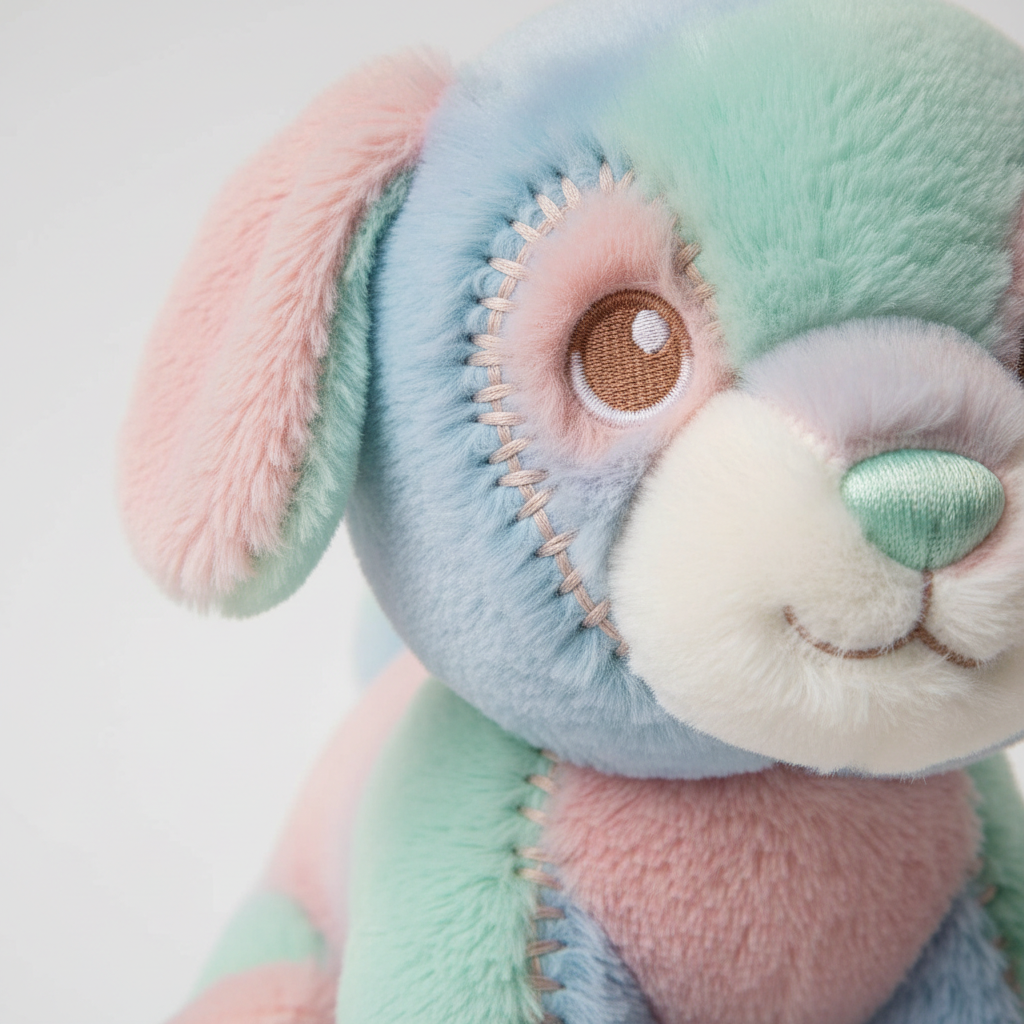
- Embroidered eyes/nose instead of plastic safety eyes for younger kids.
- Short-pile fabric that’s less likely to shed and easier to clean.
- Double stitching at stress points like ears, tail, and limbs.
- No detachable outfits (hats, collars, bows) unless the child is older and supervised.
- Minimal accessories, the “cute extras” are often the first things to come loose.
If you can inspect in person, give it a gentle tug test on ears and limbs, and rub the fabric with a damp white cloth to see if dye transfers. Online, zoom in on seams and avoid listings with tiny glued decorations.
Comparison table: choosing the right plush by age and use
This table is a practical shortcut. It won’t replace reading the label, but it helps you prioritize.
| Use case | Best-fit features | What to avoid |
|---|---|---|
| Newborn / baby comfort toy | Embroidered face, short pile, machine-washable, no hard parts | Plastic eyes, ribbons, pellets, strong odor |
| Toddler play + carry-around | Reinforced seams, medium size, washable, simple design | Long fur, glued accessories, fragile ears/tails |
| Bedtime lovey (frequent use) | Colorfast fabric, dries fast, holds shape after washing | “Spot clean only” plush, stuffing that clumps |
| Gift (unknown child preferences) | All-ages design, neutral textures, clear care label | Novelty features (squeakers, glitter prints) for young kids |
Practical buying steps (online and in-store)
Buying safely doesn’t need to be stressful, but you do need a small routine. Here’s what tends to work.
If you’re buying online
- Read the materials + care section first, not the headline claims.
- Look for close-up photos of face details and seams.
- Check whether the brand offers a clear contact method and return policy.
- Scan reviews for repeated mentions of shedding, smell, seam ripping, or dye bleeding.
If you’re buying in-store
- Smell test: strong “factory” odor suggests extra washing or skipping the item.
- Tug test: gently pull ears, tail, and limbs to see if stitching feels stable.
- Check the label for fiber content and “surface washable” versus machine washable.
Care, cleaning, and keeping it “safe” after you buy it
A plush can start safe and become questionable if it’s rarely cleaned or gets damaged. This is the part most people skip until the toy looks rough.
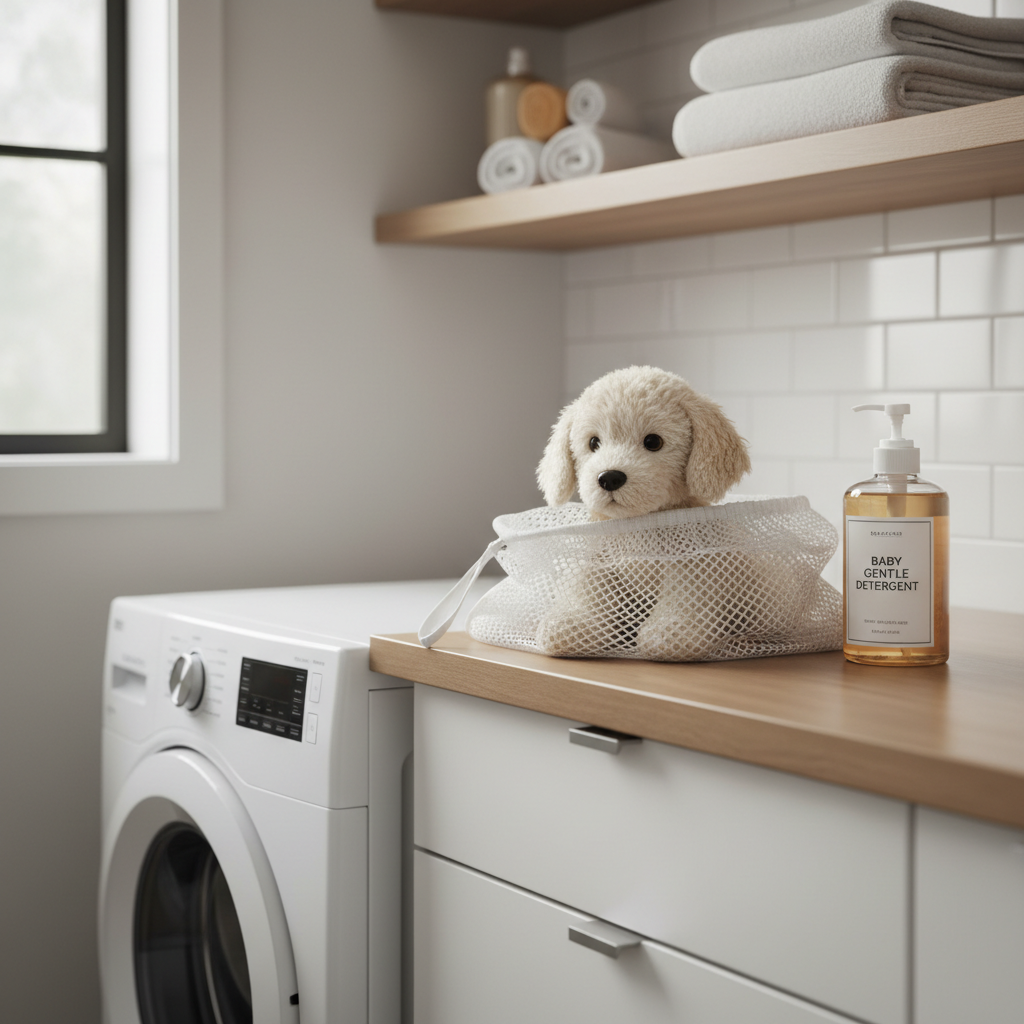
- Wash before first use when possible, especially if the toy has a noticeable smell.
- Use a mesh laundry bag on gentle cycle to protect seams and embroidery.
- Choose a mild, fragrance-free detergent if your child has sensitive skin, if irritation occurs, consider asking a pediatrician.
- Dry thoroughly, trapped moisture can lead to odor and potentially mildew, air-drying with good airflow often helps.
- Do a quick monthly inspection: seams, face features, and any tags or loops that could fray.
Key point: if the plush starts shedding a lot, develops persistent odor after washing, or has loose parts, retiring it is usually the safer move than “one more repair.”
Common mistakes (that look harmless until they aren’t)
- Assuming “baby toy” means risk-free: age labels help, but construction still matters.
- Buying oversized plush for sleep: for very young children, large items in sleep spaces can raise safety concerns, when in doubt, follow your pediatrician’s guidance.
- Spot-clean only plush used daily: if it can’t be cleaned well, it tends to get gross fast.
- Hand-me-down without inspection: older toys can have weakened seams or degraded foam and adhesives.
According to the American Academy of Pediatrics (AAP), creating a safe sleep environment is important for infants, and soft items in sleep areas can be a concern depending on age and circumstances. If your child is very young, it’s worth aligning plush toy use with current safe-sleep guidance.
When to ask a professional (or stop using the toy)
If your child develops a rash, wheezing, or eye irritation that seems linked to a plush, it’s reasonable to pause use and consider asking a pediatrician, especially if symptoms persist. Likewise, if your child has a habit of chewing and swallowing non-food items, a pediatrician or feeding therapist may offer safer alternatives for sensory comfort.
For product safety issues like choking hazards, you can also check recall information and report concerns through the CPSC channels. When a plush is breaking down, “it’s their favorite” is emotionally real, but replacing it can be the responsible choice.
Conclusion: a safer plush is usually a simpler plush
Most people shopping for a puppy soft toy plush non toxic option end up happiest with something plain: embroidered face, strong seams, short pile fabric, and a care label that expects washing. If you do two things today, make it these: screen for loose parts and pick a toy you can clean often. The rest is details.
If you’re comparing a few candidates, save the listing screenshots, check materials and care side-by-side, and choose the one that looks “boringly durable.” That’s often what safety looks like in real homes.
FAQ
What does “non-toxic” mean on a puppy plush toy listing?
It can mean different things depending on the seller. Ideally, it aligns with compliance to U.S. toy safety rules and safer colorants, but the term alone is vague. Look for material details, age grading, and clear brand accountability.
Are plastic “safety eyes” actually safe for babies?
They can be safer than basic buttons, but they can still loosen if the plush is poorly made or heavily chewed. For infants, embroidered eyes are usually the lower-risk option.
How can I tell if a plush has a chemical smell that’s a problem?
A light “new product” smell often fades after washing, but a strong, lingering odor is a caution sign. If airing out and washing doesn’t help, consider returning it rather than hoping it improves.
Is organic cotton always safer than polyester plush?
Not always. Organic cotton may reduce certain pesticide exposures in farming, but safety for a toy also depends on dyes, trims, and construction quality. A well-made polyester plush can be a practical, low-maintenance choice.
What’s the best way to wash a plush toy without ruining it?
Gentle cycle, cold or warm water as the care label allows, and a mesh laundry bag help protect seams. Drying fully matters as much as washing, especially for thicker toys.
My child sleeps with the plush every night, how many should I buy?
Many parents keep two so one can be washed while the other stays in rotation. If the toy is a strong comfort object, having a backup can reduce stress when cleaning day arrives.
When should I throw away a plush toy?
If seams split, stuffing comes out, parts loosen, or shedding becomes heavy, it’s time to retire it. Repairs can work for minor seam issues, but not when the structure keeps failing.
Light, practical next step
If you’re trying to pick a puppy plush that feels genuinely safer without overthinking every listing, focus on a simple design with embroidered features, washable materials, and transparent labeling. If you want, share the product link or photos of the label and close-ups, and I can help you sanity-check the risk points before you buy.