
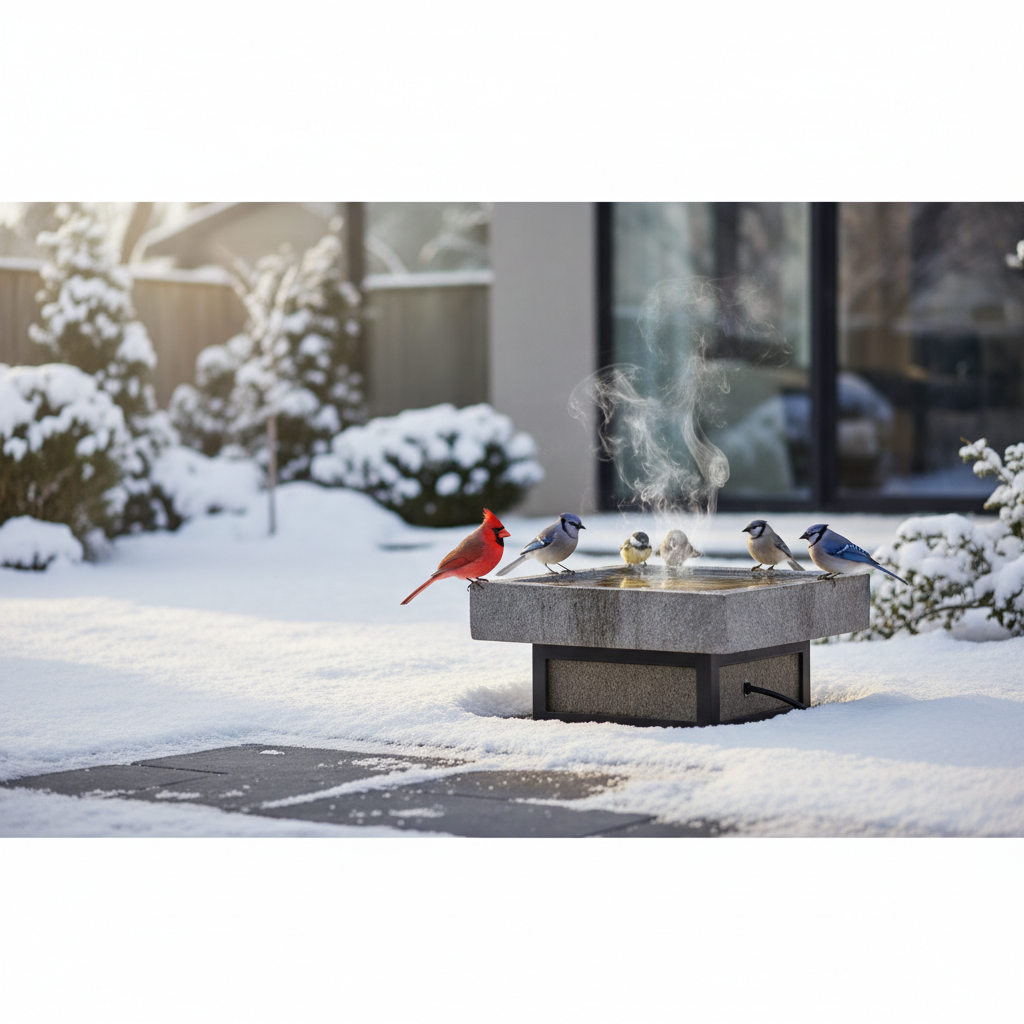
Bird bath water heater for winter is usually the simplest way to keep water available when nightly freezes turn your birdbath into a block of ice. If you feed birds all winter, this is the upgrade that actually changes the day-to-day: less chipping, less refilling, and more consistent visits from local birds.
Still, not every “heater” works the same, and the wrong match can mean cracked bowls, tripped outlets, or a bath that freezes anyway during a cold snap. Most problems come from two things: picking a heater style that doesn’t match your bath material, and setting it up without thinking about wind, depth, and power safety.
This guide breaks down the common heater types, how to choose wattage for your conditions, what to check before you plug anything in, and a few practical routines that keep the water open without turning your yard setup into a project.
Why birdbaths freeze (and why it matters more than people expect)
When air temperature drops below 32°F, water loses heat fast, especially in shallow bowls. Wind accelerates heat loss, and metal or thin ceramic can pull warmth out of the water even quicker. In many yards, the bath freezes overnight and stays frozen because the sun angle is low and daytime highs may not recover much.
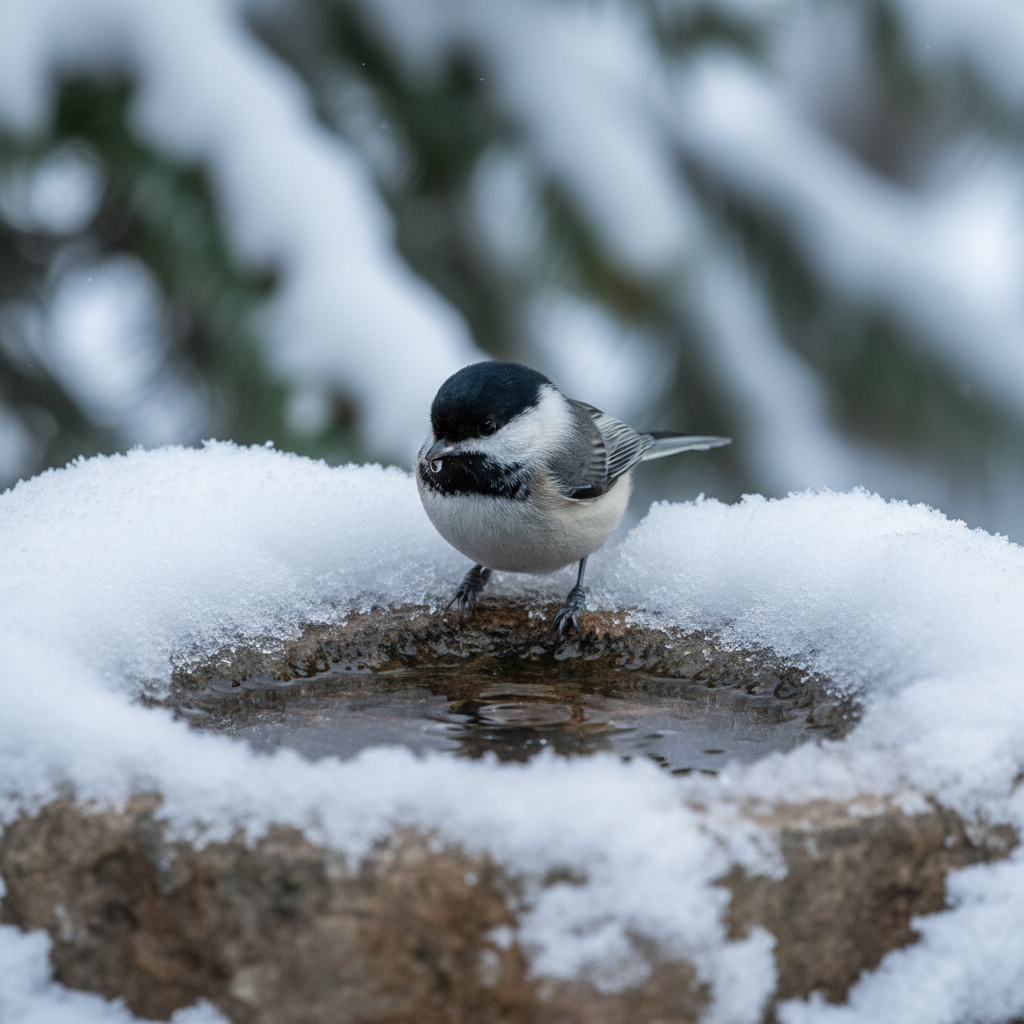
Open water matters because many birds rely on liquid water even when they can eat snow. Hydration and feather maintenance are the practical reasons. According to U.S. Fish and Wildlife Service guidance on backyard wildlife, providing clean water is one of the core supports you can offer wildlife year-round, and winter is when it’s hardest to find.
There’s also a human reason: breaking ice daily can damage birdbaths, and constant dumping/refilling often leaves you with a slick area that refreezes. A heater won’t solve every winter issue, but it usually reduces the grind.
Bird bath heater types: what they do well (and where they disappoint)
The market looks bigger than it is. Most options fall into a few buckets, and each fits a different bath setup.
1) Submersible bird bath heaters (drop-in de-icers)
These sit in the water and keep a small opening ice-free. They’re popular because you can use them with existing baths.
- Good for: stone, concrete, thick plastic, and many metal baths that can handle winter use
- Watch-outs: can bump into thin ceramic; cords need clean routing; shallow bowls may not cover the unit properly
2) Heated bird baths (built-in heating element)
This is the “plug it in and stop thinking” option. The heating element is integrated into the bath basin or base.
- Good for: people who want reliability and a tidy setup
- Watch-outs: higher upfront cost; you’re committing to that bath’s size and style
3) Heated bird bath bases (heater under the bowl)
These warm the basin from underneath. They can be a clean solution when you already have a compatible bowl.
- Good for: some plastic basins and manufacturer-matched systems
- Watch-outs: not universal; heat transfer depends on bowl thickness and fit
4) Heated dog bowls or livestock de-icers “used as a bird solution”
People try this because it’s easy to find locally. Sometimes it works, but you’re stepping outside intended use.
- Good for: emergency setups, larger ground-level water stations
- Watch-outs: depth and access may not suit small birds; confirm safety certifications and outdoor ratings
Quick choosing guide (with a practical comparison table)
If you’re shopping for a bird bath water heater for winter, choose based on your bath material, your typical low temps, and how much maintenance you’ll tolerate. Wattage isn’t “the more the better” in every case; it’s “enough to keep an opening” for your conditions.
| Option | Best for | Typical maintenance | Common issues |
|---|---|---|---|
| Submersible heater (drop-in) | Existing birdbath you want to keep using | Check water level, wipe mineral film | Not fully submerged, cord strain, shallow bowls freezing fast |
| Heated bird bath (integrated) | Most reliable “set-and-forget” approach | Light cleaning, occasional cord check | Upfront cost, limited design choices |
| Heated base | Matched bowl-and-base systems | Keep base dry, confirm stable seating | Poor heat transfer with thick bowls, fit problems |
Key point: your goal is usually an ice-free drinking area, not necessarily a fully ice-free bowl in extreme cold. If a product promises “always ice-free” without caveats, take that as marketing, not a guarantee.
Safety and placement: the part most people rush (and regret)
Electric + water + winter is the combo that deserves a slower setup. A bird bath water heater for winter can be safe in normal use, but only if the basics are right.
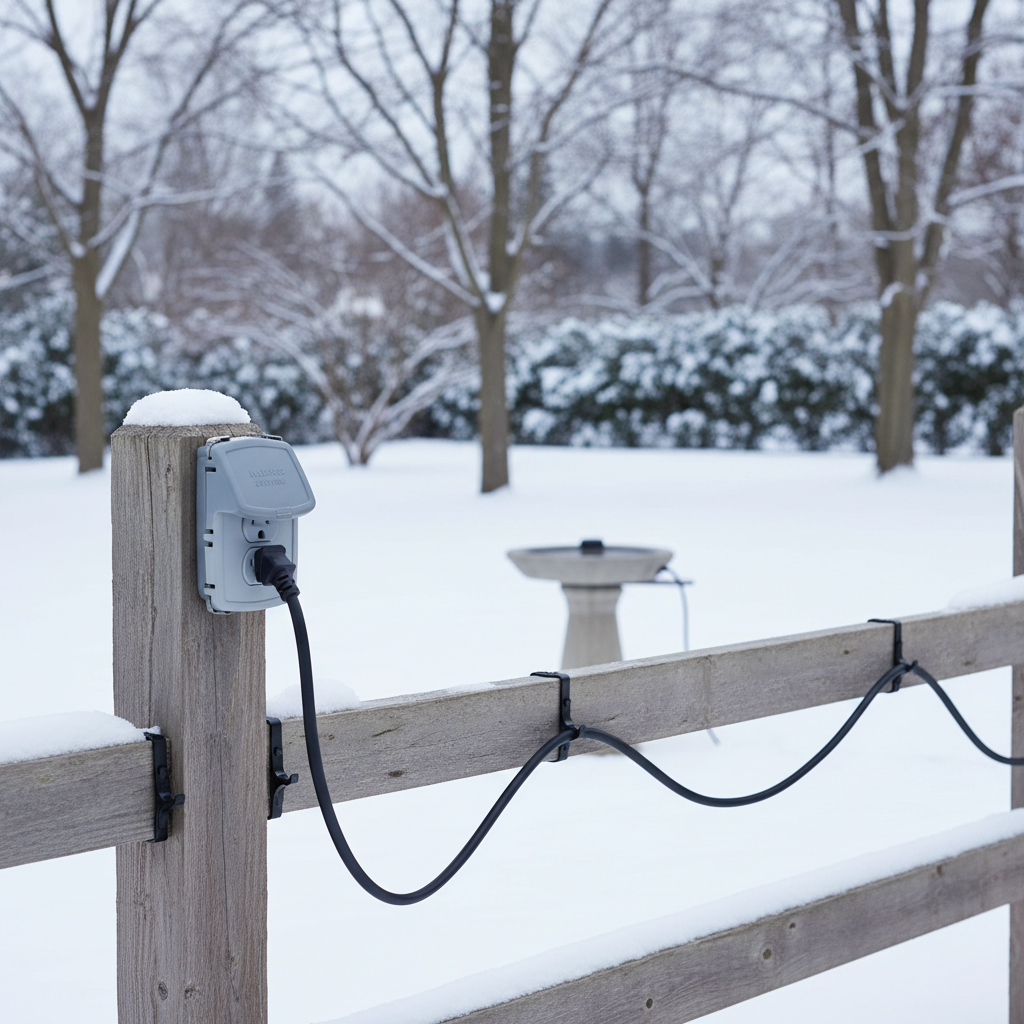
- Use GFCI protection: According to Electrical Safety Foundation International (ESFI), GFCIs are designed to reduce shock risk in damp/wet areas. If your outlet isn’t GFCI-protected, consider having one installed by a qualified electrician.
- Choose outdoor-rated cords only: Indoor extension cords get stiff, crack, and fail in cold weather.
- Keep connections off the ground: Snow melt and puddles find plug connections. Elevate and use weatherproof covers when possible.
- Give the cord strain relief: Don’t let the heater hang by its cord; secure slack so tugging doesn’t pull it into the water.
- Avoid “wind tunnel” spots: Moving the bath a few feet near a windbreak often matters more than adding watts.
If you have pets, kids, or frequent wildlife traffic, place the bath where cords won’t become a trip hazard and where the bowl won’t be knocked. Ground-level baths can work, but they may also attract animals you didn’t plan for.
Self-check: are you buying the right heater or fixing the wrong problem?
Before you order anything, run this quick check. It saves money and a lot of mid-January frustration.
- Your bath material: Thin ceramic and glass-like finishes can crack in freeze-thaw cycles, even with gentle heat. If you’re attached to that style, you may be better off swapping to a winter-rated basin.
- Water depth: Submersible units need enough water to stay properly covered. If your bath is very shallow, a heated bath or different basin shape tends to behave better.
- Your cold pattern: If your area swings above/below freezing daily, cracking risk rises and cords get handled more. If you get multi-day deep freezes, you’ll want more consistent heat and better wind shelter.
- Power access: If reaching the outlet means daisy-chaining cords or leaving a connection in snow, fix the power plan first.
- Cleaning reality: Heated water can grow biofilm faster in mild spells. If you won’t clean weekly, choose a setup that’s easy to dump and wipe.
How to set up a winter heated bird bath (step-by-step)
This is the routine that tends to work in many yards, without turning into a weekend project.
Step 1: Pick a stable location
Go for level ground or a sturdy stand, partial wind protection, and a spot you can reach without slipping. If you already know where snow drifts pile up, don’t put the bath there.
Step 2: Install the heater correctly
- For submersible heaters, keep the unit away from edges if possible, and confirm it sits flat.
- For heated baths, confirm the basin is seated and the cord exits without pinching.
- Fill to the recommended water level before plugging in.
Step 3: Power it safely
Plug into a GFCI outlet, use a short outdoor-rated extension cord only if needed, and keep the connection protected from precipitation. If anything feels improvised, it probably is.
Step 4: Maintain water quality
Plan on a quick refresh every few days, and a scrub when you see film. Avoid chemicals or additives; birds can be sensitive, and most manufacturers don’t recommend them.
Common mistakes (and what to do instead)
A lot of winter heater complaints trace back to a few predictable missteps. Fix these and most setups become boring in the best way.
- Mistake: expecting a tiny heater to keep a large bowl fully ice-free in single digits.
Do instead: aim for an open “drinking hole,” reduce wind exposure, and consider a smaller winter basin if needed. - Mistake: running the heater with low water.
Do instead: check level during dry, windy weeks. Some units can overheat or shut off when not submerged correctly. - Mistake: placing the bath where snow slides off a roofline.
Do instead: move it out of dump zones. Sudden cold water plus impact can crack basins and trip GFCI outlets. - Mistake: using an indoor power strip outdoors “just for now.”
Do instead: use outdoor-rated equipment, and if power access is limited, consider adding a dedicated outdoor outlet. - Mistake: ignoring mineral buildup.
Do instead: wipe with a brush and plain water. If your water is hard, more frequent light cleaning beats occasional heavy scrubbing.
When you should ask for professional help
If you need a new exterior outlet, if your breaker trips repeatedly, or if you see damage on cords or plugs, it’s worth pausing and talking to a qualified electrician. Outdoor circuits, moisture exposure, and winter conditions raise the stakes, and “it usually works” isn’t a great safety strategy.
If birds in your area show signs of illness around shared water sources, consider removing the bath temporarily and contacting local wildlife resources for guidance. According to U.S. Geological Survey (USGS) wildlife health communications, disease risk can increase when animals congregate; good hygiene and sensible pauses are part of responsible backyard support.
Conclusion: a simple winter setup that actually holds up
A bird bath water heater for winter is most effective when you treat it as a small system: the right heater style, a winter-safe basin, wind-aware placement, and a power setup you trust. Once those pieces click, maintenance becomes a quick check and a rinse, not a daily ice battle.
If you want one next step, start by identifying your bath material and your cold pattern, then choose between a drop-in heater and an integrated heated bath. After that, prioritize a GFCI-protected outlet and clean cord routing before you plug anything in.
FAQ
What wattage do I need for a bird bath heater in winter?
It depends on bowl size, wind exposure, and how cold your nights get. In many cases, you’re buying enough heat to keep a small area open, not to make the whole bowl warm, so placement and shelter often matter as much as wattage.
Can I use a bird bath water heater for winter in a ceramic bird bath?
Sometimes, but thin ceramic is more prone to cracking during freeze-thaw cycles. If the bath isn’t labeled for winter use, consider switching to a winter-rated basin or a heated bath designed for cold weather.
Is it safe to leave a heated bird bath plugged in all the time?
Many products are designed for continuous use, but safety depends on proper installation: GFCI protection, outdoor-rated cords, and dry, protected plug connections. If you’re unsure about your outlet or wiring, a qualified electrician can help confirm it’s appropriate.
Why does my heated bird bath still freeze on very cold nights?
Extreme cold, wind, and a large shallow bowl can overpower small heaters. Try moving the bath to a more sheltered spot, reducing bowl size for winter, or verifying the heater sits and operates as intended.
Do heated bird baths attract pests or predators?
They can, mainly because open water is a magnet in winter. If you notice unwanted visitors, adjust placement for better visibility, avoid ground-level setups in high-traffic areas, and consider bringing the bath closer to the house where you can monitor it.
How often should I clean a heated bird bath in winter?
A quick refresh every few days is a realistic baseline for many yards, with a wipe-down when you see film or debris. Mild spells can increase biofilm growth, so staying ahead with small cleanings usually works better than infrequent deep scrubs.
Can I add salt, antifreeze, or chemicals to keep the water from freezing?
It’s generally not a good idea. Chemicals can be harmful to birds and may damage equipment; most manufacturers recommend plain water only. If freezing is the issue, adjust heater type, placement, and power setup instead.
What’s the best placement for a heated bird bath in snow?
Pick a level spot with some wind protection, away from roof runoff and heavy drifting, and close enough that you’ll actually check it. A location that’s easy for you to reach safely often ends up being best for the birds too.
If you’re trying to choose between a drop-in de-icer and a fully heated bath, or you want a setup that looks tidy without cord chaos, it can help to match your bath material, winter lows, and outlet location first, then shop within that narrower, more realistic shortlist.