
Ferret cage hammock double layer styles are popular for one simple reason, they match how many ferrets actually rest, burrow, and switch spots during the day, but buying the wrong one can mean sagging fabric, clipped toes, or a hammock your ferret ignores.
If you want a soft double-layer hammock that gets used, you typically need to think less about cute patterns and more about fit, fabric, and how it attaches to your cage. The good news, once those basics are right, most ferrets take to it quickly.
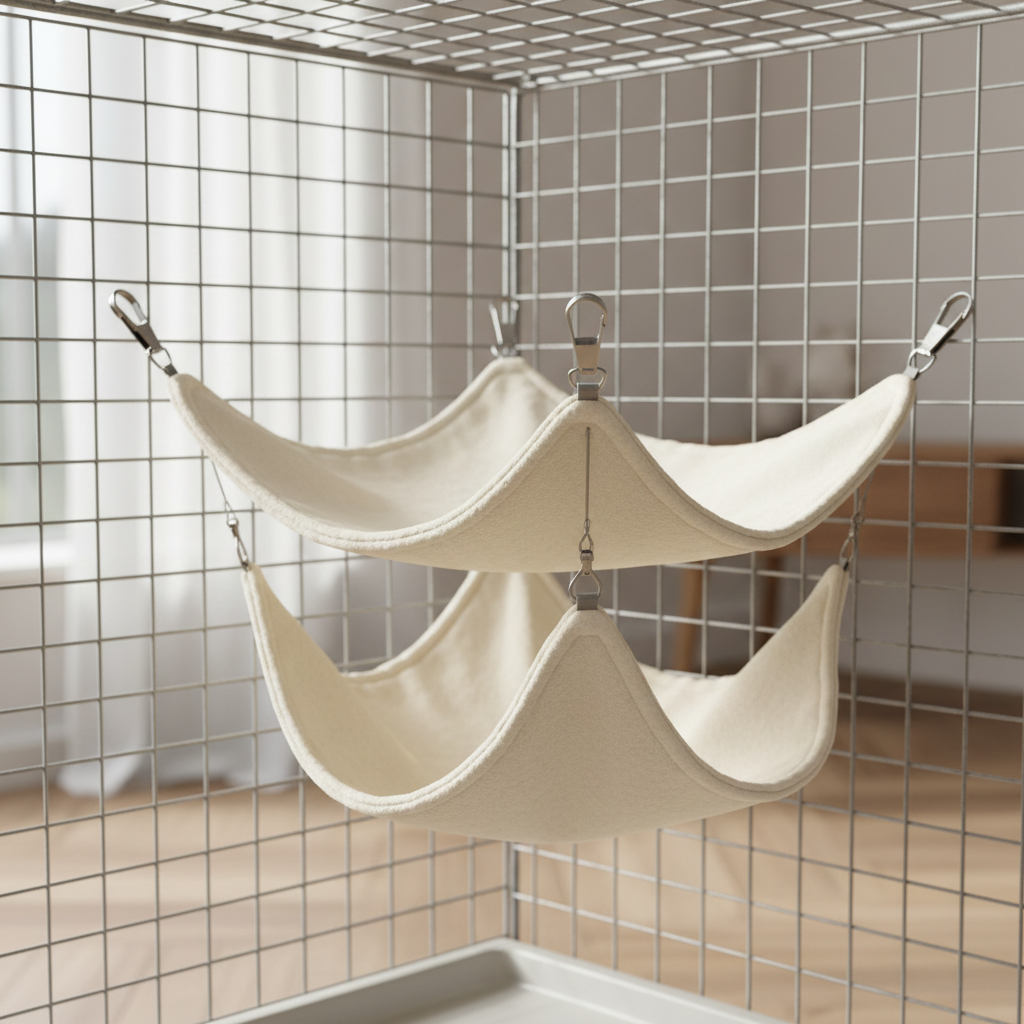
This guide breaks down what “double layer” really changes, how to pick the right size for your cage, what to check for safety, and a practical setup routine you can copy without overthinking it.
Why ferrets like double-layer hammocks (and when they don’t)
A double-layer hammock is basically two fabric panels stitched together, creating a top and bottom surface with a little pocket of warmth between them. Many ferrets treat that like a mini hideout, especially in cooler rooms or air-conditioned homes.
Where it can go wrong is heat, hygiene, and fit. If your home runs warm, a thick plush build may get used less, and if the hammock hangs too low, it can become a litter-adjacent nap zone, which is not what anyone wants.
- Comfort: extra padding, less “wire pressure” through the fabric, better for long naps.
- Security: some ferrets prefer the enclosed feel and will wedge between layers.
- Flexibility: two surfaces means they can pick the cooler side or warmer side.
- Downside to watch: heavy materials can trap moisture and odor if wash cycles are inconsistent.
According to the American Ferret Association, clean, dry bedding and safe housing materials are important parts of daily ferret care, which is why hammock fabric and washability matter more than people expect.
Buying checklist: what “soft” should mean in real life
“Soft” is marketing, so you want to translate it into features that hold up to scratching, digging, and repeated washing. A ferret cage hammock double layer usually performs best when the inner and outer layers are comfortable but not flimsy, with stitching that doesn’t pop after a few laundry cycles.
Fabric picks that usually work well
- Anti-pill fleece: common, cozy, tends to stay soft after washing.
- Microfleece or plush: very comfy, better for cooler seasons, can run warm.
- Canvas outer + fleece inner: tougher exterior with a soft contact surface.
Hardware and construction details that matter
- Metal clips over plastic: plastic can crack or pop open with repeated stress.
- Wide corner tabs: reduces tearing where the clip pulls.
- Reinforced stitching: look for double stitching at corners and edges.
- No loose trim: tassels, pom-poms, or long strings can become chewing targets.
If your ferret is a heavy chewer, fabric choice becomes less about luxury and more about “what fails safely.” In that scenario, you may want to remove hammocks that start fraying and swap in a sturdier option.
Size and fit: getting the hang height right
Most hammock complaints come down to height. Too high and older ferrets may avoid it. Too low and the hammock turns into a dust-and-litter catcher. The sweet spot is usually a height your ferret can reach without an awkward leap, while still staying clear of the dirtiest cage zones.
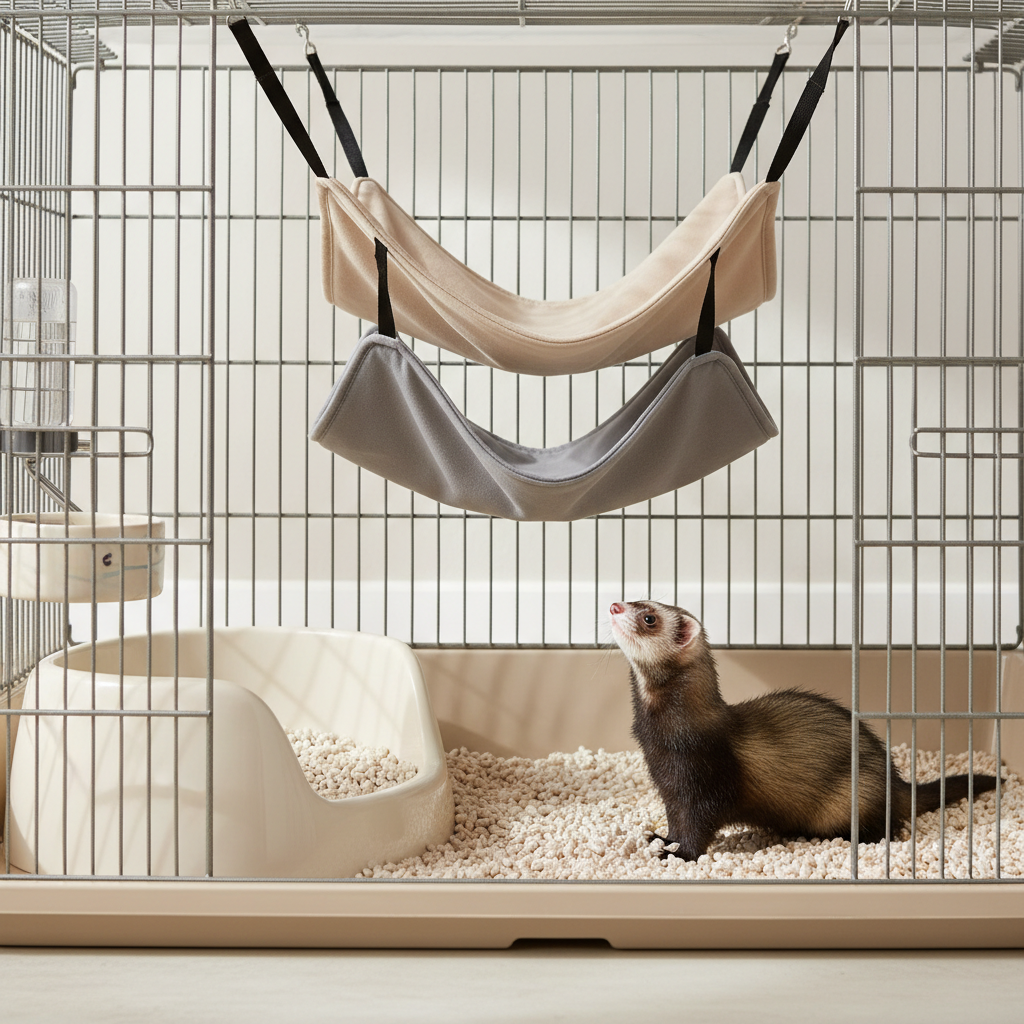
Use this quick fit check before you commit to a location:
- Hammock sits away from the litter area, not directly above it.
- There’s enough slack for lounging, but it doesn’t sag into food or water zones.
- Ferret can step into it using a shelf, ramp, or corner level, instead of “jump and miss.”
- Clips attach to bars that don’t flex or bow under weight.
For multi-ferret homes, size up. A hammock that fits one ferret “comfortably” can become a wrestling match when two decide it’s the only acceptable nap spot.
Safety notes: clips, loops, and chewing risks
Ferrets explore with teeth, and they can be oddly persistent. Hammocks are generally safe when designed well, but problems usually come from frayed fabric, exposed elastic, or attachment points that create snag hazards.
According to the American Veterinary Medical Association (AVMA), pet-proofing and preventing access to hazards is part of responsible pet care. In practice, that means inspecting soft goods like hammocks routinely, not just when they look “bad.”
- Skip long strings: remove dangling décor pieces before use.
- Inspect seams weekly: especially where corners meet the body.
- Replace if it frays: loose threads can wrap around toes.
- Use locking clips if needed: some cages and active ferrets benefit from more secure hardware.
If your ferret has a history of intense chewing or pica-like behavior, it’s worth asking an exotic vet what bedding materials they consider lower risk for that specific situation.
Setup routine: make it a “yes” spot, fast
A new hammock sometimes gets ignored for a day or two, and that’s normal. Ferrets can be suspicious of changes, even changes you made for their comfort. The easiest way to get adoption is to make the hammock smell familiar and place it where they already like to hang out.
A practical 10-minute setup
- Wash once (unscented detergent if possible), then air dry to reduce strong factory odor.
- Hang it in a mid-level corner, not the highest point of the cage.
- Rub a clean sleep blanket over it, or place a small familiar cloth inside for a day.
- Watch one play session, adjust height if you see missed jumps or awkward climbs.
One small trick that often helps, hang the hammock so one edge sits near a shelf. Ferrets love “step, flop, disappear.” When entry feels effortless, usage goes up.
Cleaning and odor control without ruining softness
A ferret cage hammock double layer can hold more warmth, and it can also hold more odor if you wait too long between washes. Most households do well with a simple rotation, one in the cage, one clean and ready.
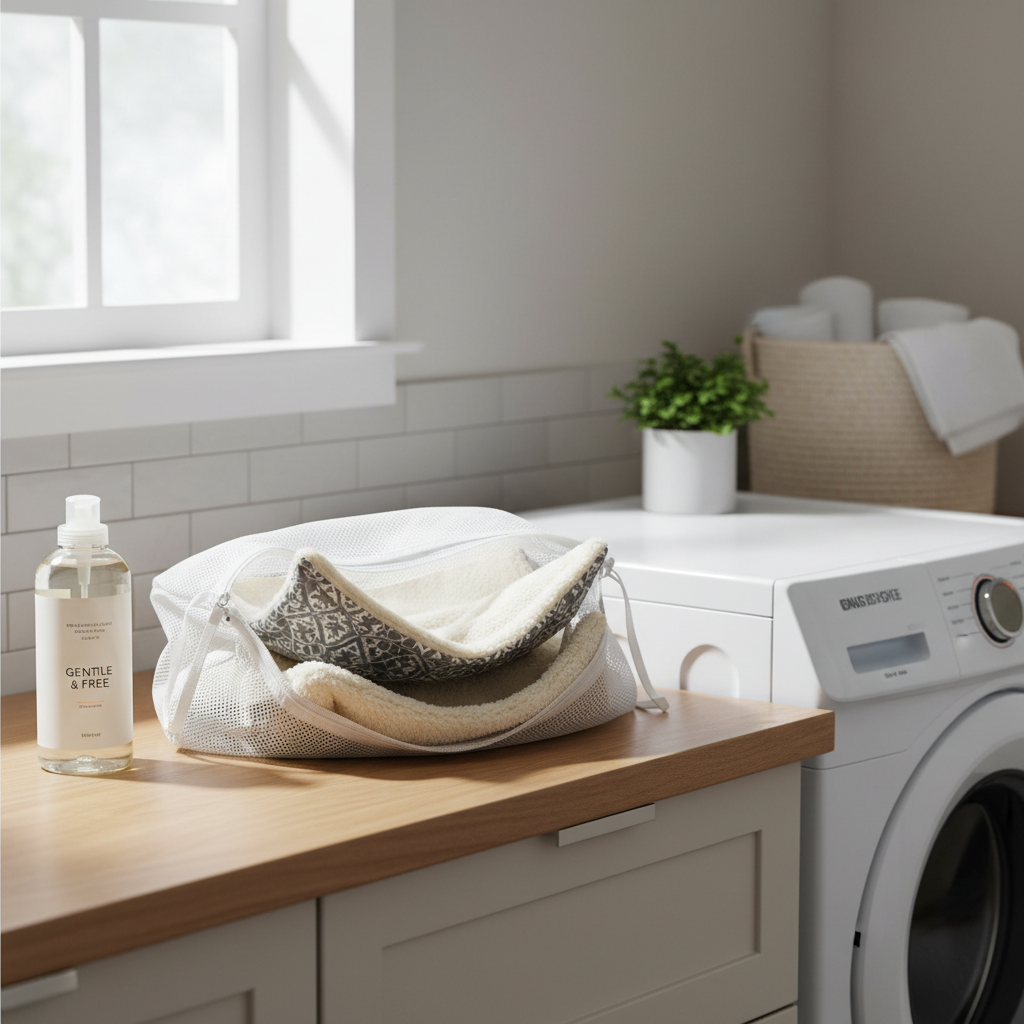
Washing tips that usually keep the fabric soft and the stitching intact:
- Use a mesh laundry bag to protect clips and seams.
- Choose cold or warm water, gentle cycle, avoid high heat when possible.
- Skip heavy fragrance boosters, many ferrets dislike strong smells.
- Dry thoroughly, damp layers can develop a musty smell fast.
If odor keeps returning quickly, it may not be the hammock. Cage airflow, litter choice, and where the hammock hangs can all be part of the problem.
Quick comparison table: what to choose for your cage
Not every “soft” double-layer option makes sense for every home. This table is a simple way to match material and build to real-world use.
| Situation | What to look for | What to avoid |
|---|---|---|
| Warm room or summer | Lighter fleece, breathable layers, easy-wash build | Very thick plush that holds heat |
| Cold room or strong A/C | Plush or microfleece, deeper “pocket” feel | Thin single-layer fabric that sags fast |
| Chewer or digger | Reinforced corners, sturdy outer fabric, metal clips | Loose trim, exposed elastic, decorative strings |
| Multiple ferrets | Larger footprint, stronger stitching, extra clip points | Small hammock that forces crowding |
Key takeaways before you buy
- Fit beats fluff: a well-placed hammock gets used more than a fancier one hung poorly.
- Metal clips and reinforced corners usually mean fewer surprise falls.
- Double layer adds comfort and security, but it also asks for more consistent washing.
- If chewing or fraying shows up, swap it out early, it’s not worth stretching the lifespan.
When your setup is right, a soft double-layer hammock becomes the default nap station, and that’s exactly what you want, a clean, stable, predictable place your ferret chooses on their own.
Conclusion: a soft double layer hammock should be easy, not fussy
A ferret cage hammock double layer is worth it when it stays clipped, stays clean, and stays at a height your ferret can reach confidently. Pick durable fabric, skip risky decorations, and treat placement like part of the product, not an afterthought.
If you want one simple action today, measure your cage section and set a “no-sag zone” above litter and bowls, then choose a hammock size and clip style that matches that plan.