
Pet safe ice melt sounds like an easy win for winter walks, but in real life the “safe” part depends on what’s in the bag, how much you use, and whether your dog or cat licks their paws afterward. If you’ve ever come back from a short walk and noticed paw licking, redness, or a weird smell on fur, you’re not overthinking it.
This matters because ice melt touches the exact places pets can’t avoid, paws and belly fur, and it often ends up in their mouths. Even products marketed as pet-friendly can be irritating in some situations, especially for dogs with sensitive skin or cracked paw pads.

What this guide does is keep it practical: how to read labels, which ingredients usually cause fewer issues, how to tell whether your current product is actually “fine,” and what to do when you can’t control what a city or HOA spreads on sidewalks.
What “pet safe” really means (and what it doesn’t)
There’s no single universal standard that forces every brand to use the same definition. Many products use “pet friendly” to signal lower risk versus traditional rock salt, not zero risk.
Two common misunderstandings show up every winter:
- “Pet safe” doesn’t mean edible. Pets still shouldn’t ingest it, even in small amounts, and repeated licking can add up.
- “Less harsh” isn’t the same as “non-irritating.” A product can be gentler than sodium chloride and still dry out paw pads or sting cracked skin.
According to ASPCA, many de-icing salts can irritate paws and the mouth, and pets can get sick if they ingest enough. That’s why the goal is risk reduction: pick a better formula, use it smarter, then manage exposure.
Common ice melt ingredients and how they tend to affect pets
Labels can be confusing because brands blend ingredients. Still, knowing the usual suspects helps you compare products quickly.
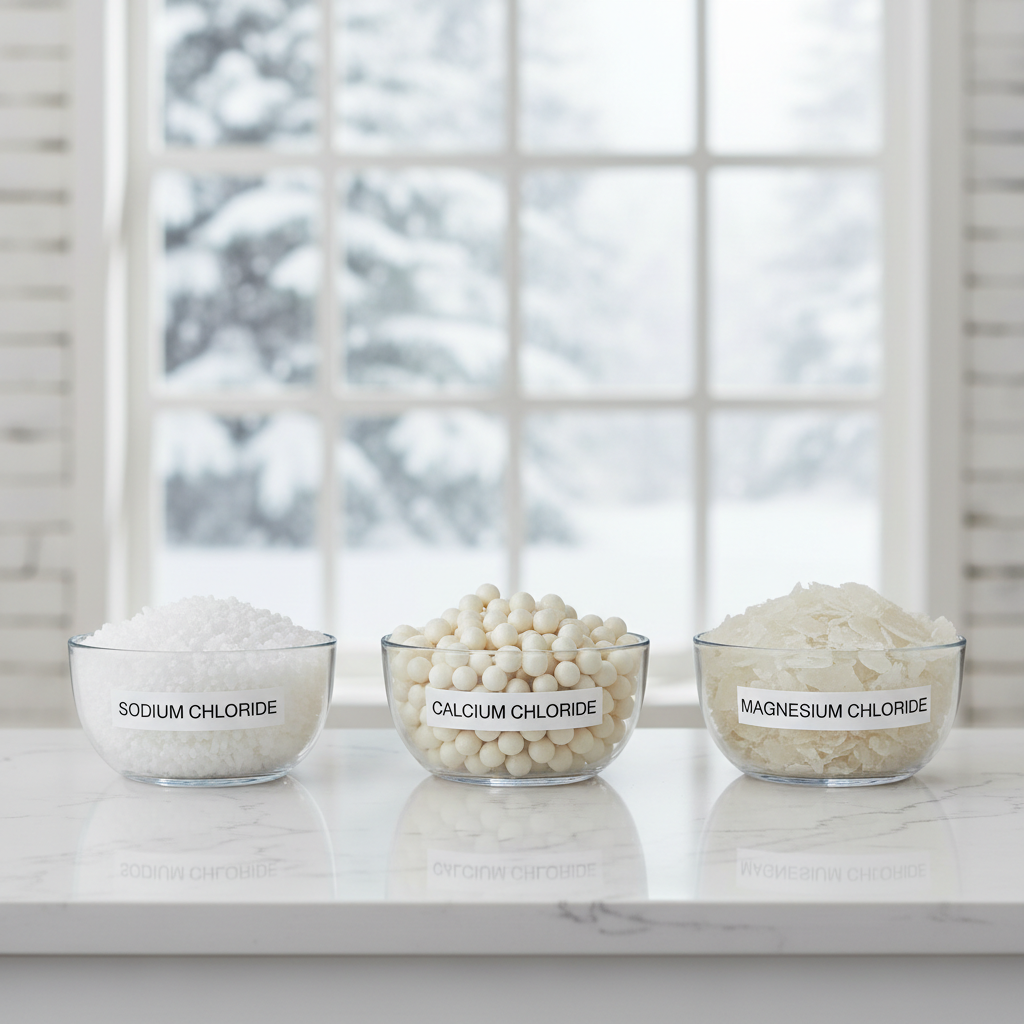
Here’s a realistic, field-use view of common ingredients. Individual pets vary, and mixed formulas can behave differently, but these patterns show up often:
| Ingredient (typical) | Why it’s used | Pet-related concerns (common) | Practical notes |
|---|---|---|---|
| Sodium chloride (rock salt) | Cheap, widely available | Paw irritation, drying, stomach upset if ingested | Often the harshest for sensitive paws |
| Calcium chloride | Works at lower temps, fast acting | Can irritate skin, may cause GI upset if eaten | Effective but can feel “hot” on wet paws |
| Magnesium chloride | Lower corrosiveness, decent performance | Less drying than rock salt for many dogs, still irritant potential | Common in “pet friendly” blends |
| Potassium chloride | Salt alternative | Still a salt, can irritate and cause GI issues | Not automatically “safe” just because it’s different |
| Urea | De-icer/fertilizer crossover | Ingestion risk, can upset stomach | Some pets are attracted to the smell |
| Acetates (CMA: calcium magnesium acetate) | Lower corrosion, gentler formulas | Often better tolerated, still avoid ingestion | May cost more, performance varies by storm type |
If you’re shopping specifically for pet safe ice melt, many households do better with formulas that avoid straight rock salt and include less harsh blends, but no ingredient is completely “risk-free” for every pet.
A quick self-check: do you actually need to switch products?
Before you toss a half-used bag, it helps to figure out what problem you’re solving. Use this checklist after a normal walk.
- Paw licking spikes right after coming indoors, not just random grooming.
- Redness between toes or a “tight” look to the paw pads.
- Cracked pads that sting when wet.
- Snow clumps collecting on fur, then turning into salty slush.
- GI symptoms after walks (drooling, vomiting, diarrhea), especially if your dog eats snow.
- You can’t control exposure because sidewalks, apartment complexes, or parks use heavy treatments.
If none of these show up and you already use a moderate amount of a gentler formula, your best upgrade might be technique, not a new brand. If multiple items hit, changing the product and the routine tends to pay off.
How to choose pet safe ice melt (shopping cues that matter)
Marketing claims are loud, the ingredient list is quieter, and usually more useful. Here’s what tends to separate “pretty okay” from “why is my dog limping?”
Look for clear ingredient disclosure
If a bag only says “proprietary blend” with no details, it’s hard to evaluate. Transparent labeling makes it easier to avoid rock salt-heavy mixes.
Prefer larger pellets or coated granules when possible
Very fine crystals stick to wet paws and fur easily. Larger or coated pellets often track less, which reduces licking exposure in many homes.
Watch the added attractants
Some products add colorants or performance boosters. The bigger issue is anything that makes the melt smell “interesting” to a dog that already eats snow. If your pet tends to taste everything, prioritize low-odor options.
Match the product to your typical temperature
If you live where it’s regularly near 0°F, you may need a stronger de-icer for safety, but stronger often comes with more irritation potential. In that case, the routine around paws matters even more than the formula.
According to CDC, de-icing chemicals should be stored safely and used as directed, and exposure should be minimized, which applies directly to households with pets and kids.
Practical routine: safer walks even when the sidewalks are treated
This is the part people skip because it feels like a hassle, but it’s usually what reduces problems fastest, even if you already buy a better product.

Before the walk
- Trim paw hair (or ask a groomer). Less fur between pads means less slush and salt clinging.
- Use paw wax if your dog tolerates it. It can reduce direct contact and drying.
- Consider booties for sensitive paws, older dogs, or heavy-salt neighborhoods. Fit matters more than price.
During the walk
- Choose routes with packed snow rather than glossy, heavily treated concrete when possible.
- Keep your dog from eating snow banks near roads and parking lots, that’s where chemical buildup often concentrates.
After the walk (this is the money step)
- Rinse or wipe paws with lukewarm water, then dry well between toes.
- Check for tiny cuts or redness. If you see cracking, a pet-safe balm may help, but avoid human products with fragrances.
- If your dog keeps licking, use a cone temporarily or distract with a chew, the goal is less ingestion.
If you spread pet safe ice melt at home, apply less than you think you need, then mechanically remove slush with a shovel. A thin, targeted layer works better than a heavy “blanket” that gets tracked inside.
Common mistakes that quietly make exposure worse
Most winter paw problems come from “reasonable” habits that backfire.
- Overapplying de-icer because you want instant bare pavement. It often creates more residue than traction.
- Skipping cleanup after the melt works. Once the ice breaks up, removing the slush reduces tracking.
- Assuming indoor floors are harmless. Residue on tile can transfer to paws again, and then to tongues.
- Using hot water outdoors to melt ice fast. It can refreeze and create thinner, slicker ice layers.
- Ignoring first-aid basics like drying between toes, which matters for yeast-prone dogs.
Also, if your pet has allergies or skin conditions, winter chemicals can stack on top of an already sensitive barrier. In that case, you’re not looking for a miracle de-icer, you’re looking for fewer triggers overall.
When to call a vet or a poison hotline
Most mild paw irritation improves with rinsing, drying, and limiting licking, but some situations deserve faster help. If you suspect your pet ate ice melt, don’t wait for “proof.”
- Call a veterinarian if you see repeated vomiting, weakness, tremors, or continued drooling.
- Contact a poison control resource if you know the product and amount, and symptoms start quickly.
- Bring the bag or a photo of the label. Ingredient details change the advice.
According to Pet Poison Helpline, many de-icers can cause gastrointestinal irritation, and more severe signs are possible depending on the chemical and dose, so professional guidance is the safest move when ingestion is likely.
Key takeaways for safer winter walks
- “Pet safe” is a risk-reduction label, not a guarantee.
- Ingredients matter, but application amount and paw cleanup matter just as much.
- If your neighborhood uses heavy treatments, consider booties or paw wax plus a rinse routine.
- Watch for paw licking, redness, or stomach upset, those are your early warning signs.
Winter walking can stay simple: choose a more reasonable formula, use less of it, and build a quick paw rinse into your entryway routine. If you do those three, most households see fewer problems without turning every walk into a project.
FAQ
Is pet safe ice melt safe if my dog licks their paws?
It’s usually safer than rock salt-heavy products, but licking still raises ingestion risk and can irritate the mouth. Rinsing paws and drying well helps more than relying on the label alone.
What ingredient should I avoid most for sensitive paws?
Many dogs react to sodium chloride because it’s drying and abrasive, though reactions vary. If your dog already has cracks, even stronger low-temp formulas can sting, so protection plus rinsing matters.
Do booties really help, or do dogs just hate them?
Booties can reduce contact a lot, but fit is everything. If they twist or rub, you trade chemical irritation for friction sores, so start with short indoor practice and check for rubbing.
Can I use sand or kitty litter instead of ice melt?
For traction, yes, many people use sand. It doesn’t melt ice, so you may still need to shovel, but it can reduce how much chemical you apply, which is often the point for pet households.
How do I remove ice melt residue from my dog’s paws?
Lukewarm water rinse works well for most dogs, followed by thorough drying between toes. Wipes can help on the go, but they’re not always enough after heavy exposure.
Is “chloride-free” automatically better for pets?
Not automatically. Some chloride-free products use other chemicals that still irritate or attract pets. Ingredient transparency and how your pet reacts over a few walks are better guides.
My city salts the sidewalks a lot. What’s the most realistic plan?
Assume exposure will happen, then control what you can: booties or paw wax, avoid snow piles near roads, and do a fast rinse at home. That combo is usually more reliable than chasing the perfect product.
If you’re trying to pick a pet safe ice melt and you’d rather not guess, bring your typical winter temperature range, your pet’s paw sensitivity, and where you walk most often into the decision, it usually becomes clear whether you need a gentler formula, booties, or just a better post-walk rinse routine.