
how to treat a cat with cold at home usually comes down to two things, supportive care that keeps your cat comfortable, and knowing when “just a cold” might be something more.
If your cat is sneezing, has a runny nose, or seems a little quieter than normal, it’s tempting to try whatever works for humans, but many common OTC meds can be risky for cats. The good news, many mild upper respiratory infections can improve with smart home care and close monitoring.
This guide walks you through what’s likely going on, what you can safely do today, and the specific warning signs that should push you to call your veterinarian rather than waiting it out.
What a “cat cold” usually is (and what it isn’t)
Most “cat colds” are upper respiratory infections, meaning inflammation in the nose, throat, and sometimes the eyes. In many households this shows up as sneezing, nasal congestion, watery eyes, and a mild cough.
According to the Cornell University College of Veterinary Medicine, feline upper respiratory infections are commonly caused by viruses such as feline herpesvirus and calicivirus, and sometimes complicated by bacteria.
- Often mild: sneezing, clear nasal discharge, mild watery eyes, still eating at least some.
- More concerning: thick yellow/green discharge, open-mouth breathing, not eating, lethargy that feels “off.”
One important nuance, cats can also have allergies, asthma, dental disease, or an inhaled foreign body that mimics a cold. So if the pattern is recurring or unusual, it’s worth getting a vet’s eyes on it.
Quick symptom check: are you in “home care” territory?
Before you focus on how to treat a cat with cold symptoms at home, do a fast reality check. This isn’t about being dramatic, it’s about catching the small percentage of cases that can turn serious quickly.
Usually reasonable to start supportive care at home
- Sneezing and mild congestion for less than 2–3 days
- Clear discharge from nose or eyes
- Normal breathing effort (no heaving sides, no open-mouth breathing)
- Still eating something and drinking
- Bright enough to move around and respond
Call a vet the same day (or urgent care) if you notice any of these
- Not eating for 24 hours (especially kittens, seniors, or cats with diabetes/kidney disease)
- Labored breathing, open-mouth breathing, blue/gray gums
- Severe lethargy, collapse, or dehydration (sticky gums, sunken eyes)
- High fever is suspected (hot ears can mislead, a thermometer reading is more reliable)
- Eye squinting, thick discharge, or a cloudy-looking eye
- Symptoms lasting more than 5–7 days, or getting worse after day 3
According to the American Veterinary Medical Association (AVMA), changes in appetite, breathing difficulty, and significant lethargy are among the common reasons pets should be evaluated promptly.
At-home care that actually helps (safe, practical steps)
Supportive care is boring, but it’s what helps most. The goal is to make breathing easier, protect hydration and calories, and reduce stress so your cat’s immune system can do its job.
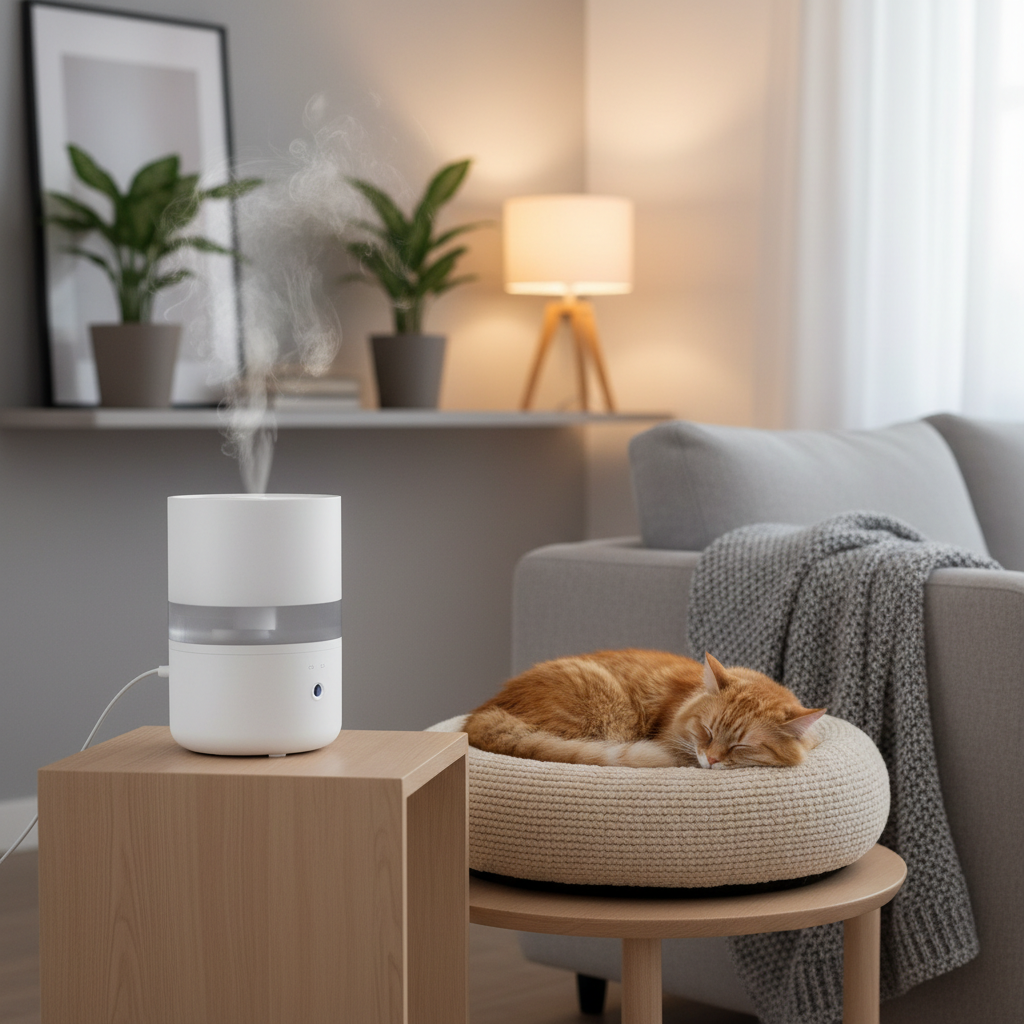
1) Improve airflow and moisture
- Humidifier: A cool-mist humidifier near your cat’s resting area often helps congestion.
- Steam session: Some cats tolerate sitting in a bathroom while a hot shower runs for 10–15 minutes. No direct steam in the face, and always supervise.
- Keep the room warm: Chilled cats tend to curl up and stop moving, which can reduce appetite.
2) Clean the nose and eyes gently
- Use warm water on a soft cotton pad to wipe discharge.
- Wipe from inner corner outward and use a fresh pad each pass.
- If the nostrils crust over, soften first with warm compresses rather than rubbing.
3) Protect calories and hydration (this is the big one)
Congested cats often “stop eating” because they can’t smell. You’re not just feeding a picky pet, you’re preventing a downward spiral.
- Warm the food (10–15 seconds in the microwave, then stir and test). Warmer food smells stronger.
- Offer wet food or add warm water/low-sodium broth (onion- and garlic-free) to make a slurry.
- Try strong-smelling options in small amounts: tuna in water (as a topper), sardines in water, or prescription recovery diets if your vet recommends.
- Place water in multiple spots, consider a fountain, and refresh often.
If your cat won’t eat at all, don’t push hard-force feeding unless your veterinarian instructs you. In some cats, that turns into food aversion and makes things harder later.
4) Reduce stress and household spread
- Give your cat a quiet room, comfortable bedding, and predictable routines.
- If you have other cats, separate bowls and litter boxes when possible.
- Wash hands between cats, and clean sneezed-on surfaces.
According to the American Association of Feline Practitioners (AAFP), stress can worsen feline illness and recovery, so calm routines and a safe resting space matter more than people expect.
What not to do (common mistakes that backfire)
When people search how to treat a cat with cold issues, they often land on human-style solutions. This is where things can go sideways.
- Do not give human cold/flu medicine. Many contain ingredients that can be toxic to cats, and dosing is not straightforward.
- Avoid essential oils and strong diffusers. Cats can be sensitive to airborne irritants, and some oils are dangerous if ingested or absorbed.
- Don’t use antibiotics “just in case.” Antibiotics don’t treat viral infections, and inappropriate use can cause side effects and resistance. A vet should decide.
- Skip harsh cleaning of the nose. Irritated tissue swells more and can worsen congestion.
- Don’t assume it’s fine because it’s common. Kittens and seniors can crash faster, and eye infections can become urgent.
Home-care timeline: what improvement should look like
A mild case often improves gradually, not overnight. Think “a little better each day,” especially appetite and energy.
| Day | What you might see | What you should do |
|---|---|---|
| 1–2 | Sneezing, mild runny nose, slightly less appetite | Start humidifier/steam, warm wet food, track eating and breathing |
| 3–4 | Congestion may peak; discharge can thicken | Increase nose/eye cleaning, prioritize calories; call vet if worsening |
| 5–7 | Energy and appetite should rebound in mild cases | If not improving, schedule exam; ask about antivirals/antibiotics if indicated |
Key point: If appetite keeps dropping, or breathing looks harder, don’t wait for day 7.
When a vet visit is worth it (even if it seems “just a cold”)
Some cats need more than home support, and that’s not a failure. Veterinary care may include hydration support, appetite stimulants, eye medications, decongestion strategies, or treatment for secondary bacterial infection if your vet suspects it.
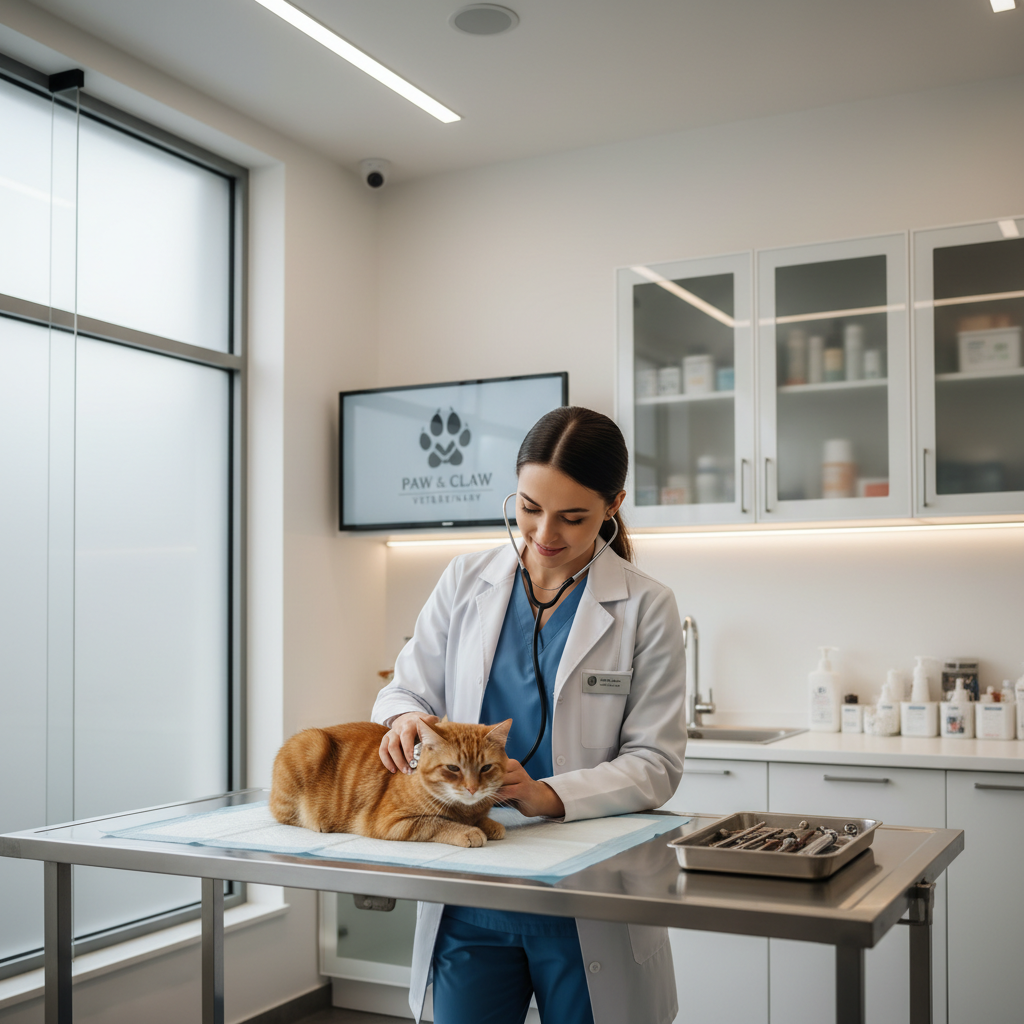
In practice, these situations often justify calling your vet even if your cat still seems “okay”:
- History of asthma, heart disease, or immune suppression
- Frequent repeat “colds” (could be chronic herpes flare-ups, dental issues, or environmental triggers)
- Kittens not vaccinated yet, or newly adopted shelter cats under stress
- Eye involvement, especially squinting or keeping the eye closed
If cost is a concern, ask whether a tech visit, tele-triage, or staged approach makes sense. Many clinics can help you prioritize what matters most.
Practical “do this today” plan (simple and realistic)
If you want a tight checklist you can follow without overthinking, use this:
- Morning: Check breathing at rest, wipe nose/eyes, refresh water, offer warmed wet food.
- Midday: Run humidifier or a short steam session, offer a small high-smell snack, clean bedding if soiled.
- Evening: Log eating amount, litter box output, energy level; repeat face cleaning and food warming.
Track three numbers: how much your cat ate, how often they used the litter box, and whether breathing looked normal. This makes a vet call far more productive if you need one.
Conclusion: keep it supportive, watch the red flags
how to treat a cat with cold symptoms at home is mostly about making breathing easier and keeping food and water going, while staying honest about when it stops being a “wait and see” situation.
If you do one thing after reading this, make it this: pick two supportive steps you can maintain for a few days, and set a clear trigger for calling your vet, like no food for 24 hours or any breathing strain.
FAQ
- How long does a cat cold last?
Many mild cases improve within about a week, but it varies by cause and your cat’s age and stress level. If symptoms don’t improve by day 5–7 or worsen after day 3, a vet exam is a smart next step. - Can I give my cat Benadryl or other human medicine for a cold?
It’s risky to self-prescribe. Some meds can be harmful, and “cold” symptoms can be something else. If you think allergies are involved, ask your veterinarian about safe options and dosing. - My cat is congested and won’t eat, what should I do?
Warm wet food, add water to boost aroma, and offer small frequent meals. If your cat refuses food for 24 hours, especially a kitten or senior, call a vet because appetite support may be needed. - Is sneezing always a sign of infection?
Not always. Dust, perfume, smoke, litter particles, dental disease, and allergies can also trigger sneezing. Patterns matter, for example, recurrent episodes or one-sided discharge deserve a closer look. - Should I isolate my sick cat from other cats?
Often yes, at least for shared bowls and close contact, because many respiratory bugs spread easily. Separate essentials and wash hands between cats when possible. - What home remedies are safe for cat colds?
Humidity, gentle warm wiping, warmed wet food, and stress reduction tend to be the safest. Avoid essential oils, OTC decongestants, and leftover antibiotics. - When is eye discharge an emergency?
If your cat is squinting, holding the eye shut, the eye looks cloudy, or discharge turns thick and colored, don’t wait. Eye issues can worsen quickly and sometimes need prescription drops.
If you’re trying to decide whether your cat’s symptoms fit simple home care or it’s time to escalate, bringing a short symptom log and a quick video of their breathing to a vet visit or telehealth consult can save time and reduce guesswork.