
how to stop dog from eating poop is usually less about one magic “natural” trick and more about fixing what makes the behavior pay off for your dog, fast.
If you’ve caught your dog doing it, you’re not alone, and you’re not “failing.” Stool eating, also called coprophagia, shows up in puppies exploring the world, anxious adult dogs, and even otherwise well-trained dogs who discover it’s a quick snack or a way to make evidence disappear.
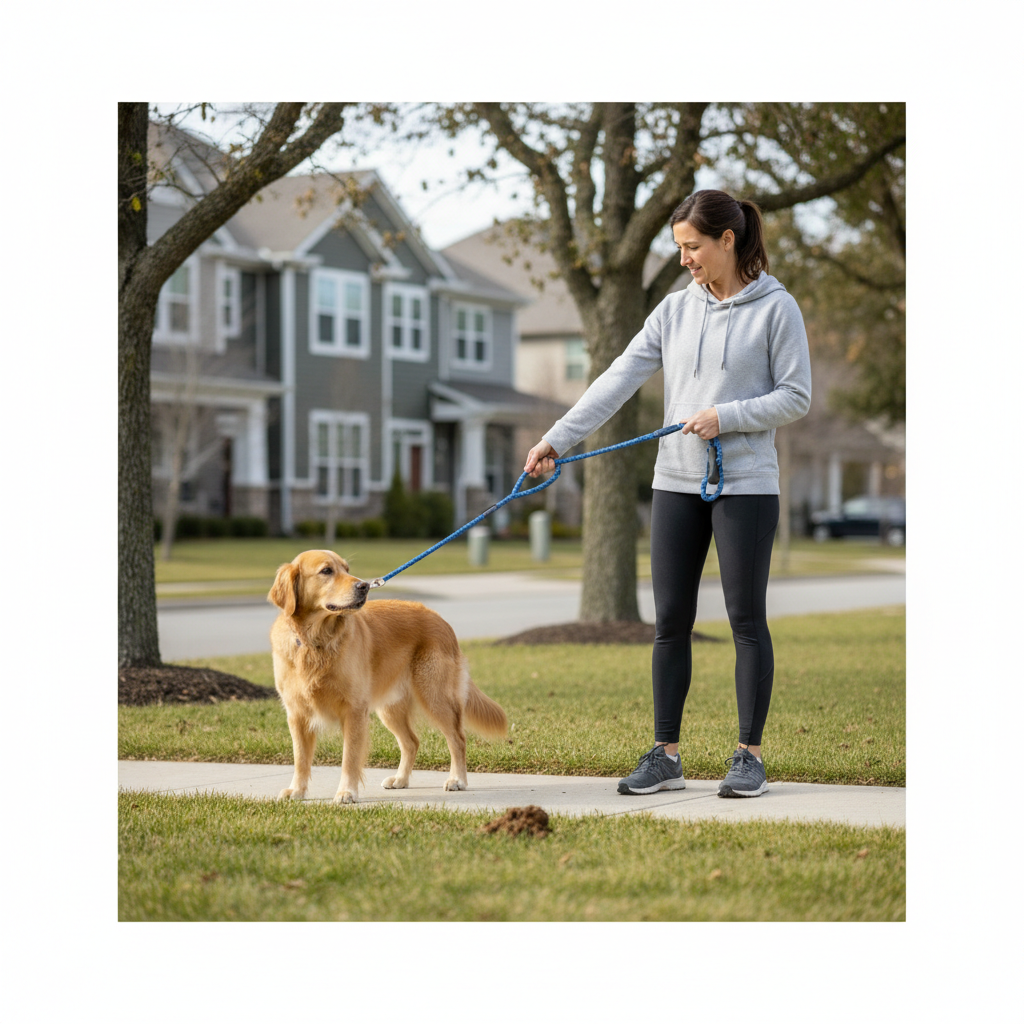
The good news, many cases improve with a few consistent changes: tighter supervision, faster cleanup, smarter rewards, and checking for diet or health factors that make poop seem more tempting. I’ll walk you through how to sort out which situation you’re in, then what to do next without leaning on harsh punishment.
Key takeaway: The fastest progress comes from combining management (prevent access) with training (teach a replacement behavior) and a quick health/diet check.
Why dogs eat poop (and why “gross” isn’t the whole story)
It’s easy to assume it’s purely a behavioral issue, but reality looks messier. Many dogs eat poop for a reason that makes sense in dog-logic, even if humans hate it.
- Puppy exploration: Puppies sample everything, including stool, and the habit can stick if it’s self-rewarding.
- “Clean-up” behavior: Some dogs learn that eating stool makes it disappear, especially if they’ve been scolded for accidents.
- Hunger or diet mismatch: Rapid eating, too-long gaps between meals, or a food that doesn’t agree with them can increase scavenging.
- Stress and boredom: Under-stimulated dogs invent their own entertainment, and this one is always available in yards.
- Opportunity: If your dog can reach it before you do, the habit becomes a quick win.
According to the American Veterinary Medical Association (AVMA), coprophagia is common, and while it’s often behavioral, medical issues can contribute, so ruling those out matters.
A quick self-check: what type of poop eating are you dealing with?
Before you try another supplement, spray, or “natural” trick, spend two days observing patterns. You’re looking for triggers you can actually change.
- Whose stool? Their own, another dog’s, cat litter, wildlife droppings, or everything.
- When does it happen? Right after pooping, during walks, when left alone in the yard, after meals, at night.
- What’s your dog’s body language? Sneaky/avoidant, frantic, playful, or casual scavenging.
- Any GI hints? Soft stool, gas, vomiting, weight changes, increased thirst, ravenous appetite.
- What changes recently? New food, new pet, move, schedule shifts, medication.
If this is mainly “my dog eats it immediately after pooping,” management plus a trained routine often fixes it. If it’s sudden in an adult dog, or paired with GI symptoms, treat it as a possible health/diet signal and talk to your vet.
Natural management that works: prevent access without turning it into a game
If your goal is how to stop dog from eating poop, prevention is not a cop-out, it’s the foundation. Every successful “poop snack” rehearses the habit.
Use a simple leash routine in the yard
- Take your dog out on leash for potty breaks for 1–2 weeks, even in fenced yards.
- Stand still, give a calm cue like “go potty,” then wait.
- When they finish, immediately guide them away 6–10 feet.
- Pick up the stool right away.
This removes the opportunity and sets you up for training. It also avoids chasing, which many dogs interpret as a fun sport.
Speed up cleanup and reduce “finds”
- Scoop the yard once or twice daily during the training phase.
- On walks, scan ahead and shorten the leash near tempting spots.
- If cat litter is the target, use a covered box, baby gate, or place it in a room your dog can’t access.
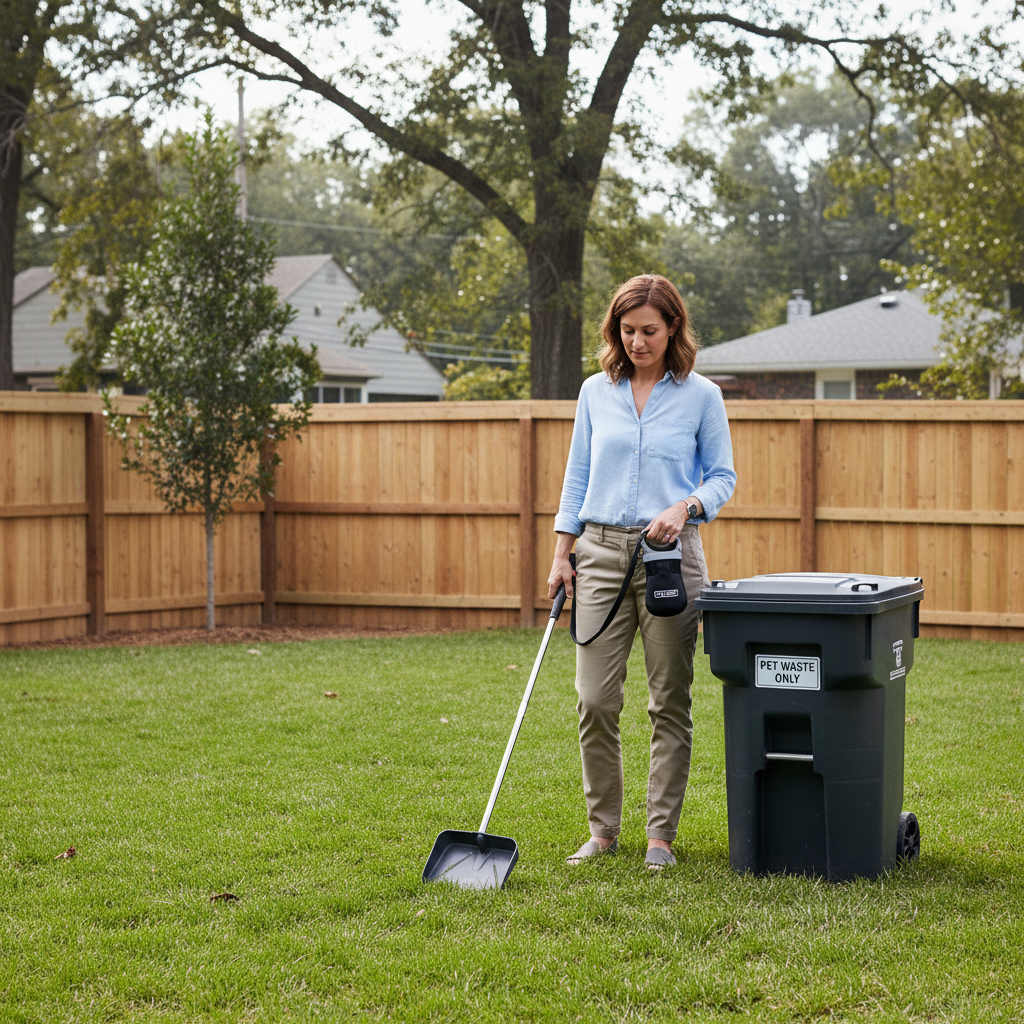
Small but important detail: Don’t punish after the fact. Many dogs connect punishment with pooping in front of you, not with eating stool, and then they get sneakier.
Train a replacement behavior: “leave it,” “come,” and a post-poop reward
Management stops rehearsal, but training is what gives you long-term control. You’re teaching your dog what to do instead, right when temptation hits.
Step-by-step: post-poop “turn and treat”
- Keep high-value treats ready before you go outside.
- As your dog finishes, say a cheerful cue like “this way” and take two steps backward.
- When they follow, reward immediately, then reward again while you walk them away.
- Only after they’re engaged with you, scoop the stool.
You’re building a new habit loop: poop → move to owner → get paid. Many dogs stop even looking back once this becomes routine.
“Leave it” for walk situations
- Start indoors with a treat in a closed fist, reward when your dog disengages.
- Progress to treats on the floor with a foot ready to cover.
- Then practice outside with boring items before you rely on it near stool.
According to the American Kennel Club (AKC), teaching “leave it” through positive reinforcement helps dogs disengage from tempting items without escalating stress.
Diet and digestion: when “natural” means adjusting inputs, not adding gimmicks
Sometimes the best “natural” approach is simply getting digestion and satiety into a better place. This is especially relevant if stool eating looks like intense scavenging.
Practical food-related tweaks to discuss with your vet
- Meal timing: Split into two or three meals if your dog seems constantly hungry.
- Slow feeding: Use a slow feeder if meals disappear in seconds.
- Stool quality: If stool is consistently soft, unusually large, or very frequent, ask whether a diet change makes sense.
- Treat load: Too many rich treats can upset GI balance, which sometimes increases odd eating.
According to the American Animal Hospital Association (AAHA), GI changes and appetite changes are worth bringing to your veterinarian’s attention, since they can point to dietary intolerance or other underlying issues.
A note on “natural additives”: You’ll see advice about pineapple, pumpkin, or meat tenderizer. Some owners feel they help, others see no change, and effectiveness varies by dog and stool source. If you try anything edible, keep amounts small and make sure it’s safe for your dog, then stop if stool quality worsens.
Use this table to pick the right strategy faster
Different triggers respond to different fixes. Here’s a practical way to match the plan to the pattern you’re seeing.
| Common pattern | What it often means | What usually helps most |
|---|---|---|
| Eats immediately after pooping | Habit + opportunity, sometimes fear of cleanup | Leash potty routine, turn-and-treat, immediate pickup |
| Targets cat litter or cat poop | High-value “snack,” easy access | Block access, covered box, “leave it” practice |
| Only in the yard when alone | Boredom + free buffet | More supervision, yard scooping schedule, enrichment |
| Sudden start in adult dog | Possible diet/health change | Vet check, review food and GI signs, manage access |
| Goes for other dogs’ stool on walks | Scavenging + high reinforcement history | Leash handling, muzzle training if needed, strong “leave it” |
Common mistakes that accidentally make coprophagia harder to fix
This is where a lot of well-meaning owners get stuck. The behavior feels urgent, so people react fast, and dogs learn fast too.
- Chasing your dog: Many dogs love keep-away, and now poop becomes a toy starter.
- Yelling after they poop: Some dogs become secretive about eliminating, which can increase stool-eating to “hide” evidence.
- Relying on taste deterrents alone: If access stays easy, deterrents rarely outcompete habit.
- Inconsistent cleanup: Missing one pile daily can be enough to keep the behavior alive.
- Too-low-value rewards: Kibble often can’t beat the reinforcement history of scavenging.
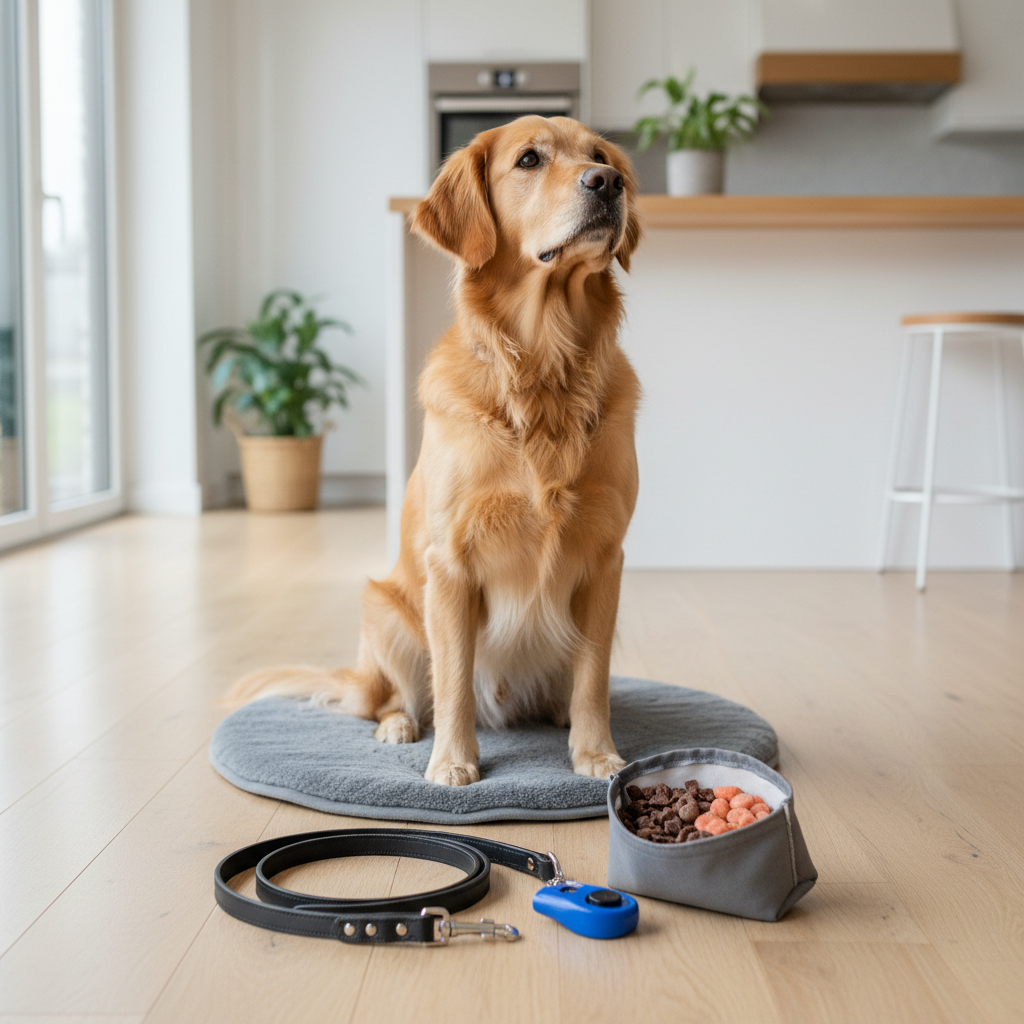
Reality check: If your dog has practiced this for months, you may not “fix” it in a weekend. What you can do quickly is stop the easy wins, then build a cleaner habit.
When to involve a veterinarian or trainer (and what to ask)
Most owners try to solve it alone longer than they need to. That’s understandable, but some versions of this problem deserve backup.
- Vet visit soon if stool eating starts suddenly, your dog loses weight, appetite spikes, vomiting or diarrhea shows up, or you suspect parasites.
- Trainer help if your dog guards poop, gets aggressive when you approach, or the behavior happens alongside severe anxiety.
- Consider a basket muzzle for high-risk walk environments, especially if you can’t avoid stool-heavy areas. A trainer can help you condition it comfortably and safely.
According to the American College of Veterinary Behaviorists (ACVB), behavior concerns often improve fastest when management and positive-reinforcement training are paired with a medical rule-out when appropriate.
Practical 14-day plan (simple, not perfect)
If you want a clear starting point, this two-week reset is usually realistic for busy households.
- Days 1–3: Leash potty breaks, immediate pickup, start turn-and-treat after every poop.
- Days 4–7: Add short “leave it” sessions indoors daily, increase reward value outside.
- Days 8–10: Practice “leave it” outdoors with non-poop distractions, keep yard scooped.
- Days 11–14: Gradually give a little more freedom in the yard only if you’ve had zero successful poop grabs.
Keep notes. If you’re seeing no improvement, treat that as information: access may still be happening, rewards may be too weak, or a diet/health factor may be in play.
Conclusion: a cleaner habit comes from fewer chances and better defaults
how to stop dog from eating poop comes down to removing opportunity, making “come with me” more rewarding than scavenging, and checking whether hunger, stress, or digestion nudges the behavior along.
Pick two actions for today: use the leash potty routine and start turn-and-treat for every bathroom break, then decide whether a vet conversation about diet or GI signs makes sense. Most dogs don’t need a dramatic intervention, they need consistency in the moments that matter.
FAQ
- How long does it take to stop a dog from eating poop?
Many owners notice improvement within 1–2 weeks when access is tightly managed and rewards are strong, but long-practiced habits can take longer. The biggest predictor is how often your dog still “wins” and gets to eat it. - Is poop eating a sign my dog is missing nutrients?
It can be, but it’s not the most common explanation. Often it’s opportunity plus habit. If appetite changes, weight loss, or chronic loose stool show up, a vet check is a smart next step. - Do natural remedies like pineapple or pumpkin actually work?
Sometimes they seem to help individual dogs, but results vary and they don’t replace management. If you try them, keep portions modest and stop if digestion worsens, then ask your vet what fits your dog. - Should I punish my dog for eating poop?
Punishment often backfires by making dogs sneakier or anxious around elimination. A calmer approach that prevents access and rewards an alternative behavior tends to be more reliable. - My dog only eats poop on walks, what should I do?
Shorten the leash near high-risk areas, practice “leave it” away from poop first, and reward heavily for disengaging. In stool-heavy neighborhoods, a properly fitted basket muzzle can be a practical safety tool with trainer guidance. - Why does my dog eat cat poop from the litter box?
Cat stool can be extremely appealing to dogs, and litter boxes are easy access points. Blocking access usually matters more than any deterrent, then reinforce “leave it” around the doorway. - Can parasites cause poop eating?
Parasites can change appetite and GI comfort, which may increase scavenging. You can’t diagnose that at home, so bring a stool sample to your veterinarian if you’re concerned.
If you’re trying to fix this with limited time, a simple routine plus the right gear can make it easier: a treat pouch you actually wear, a solid leash, and a consistent cleanup setup. If you’d rather not guess, your veterinarian or a qualified positive-reinforcement trainer can help you choose a plan that fits your dog’s patterns and your daily schedule.