
How to stop pet shedding usually comes down to two things: getting loose coat out on purpose (grooming) and lowering the triggers that make shedding worse (dry skin, stress, diet gaps, parasites, or the wrong routine). You probably can’t make a dog or cat stop shedding entirely, but you can absolutely get to a place where the fur feels “manageable” instead of constant.
If you live in the US, the indoor heating/AC cycle plus seasonal coat shifts can make shedding feel nonstop, even for pets that normally seem low-maintenance. Add a couch, a dark outfit, and a busy schedule, and it’s easy to feel like you’re losing the battle.

This guide focuses on practical, at-home steps: reduce dog shedding at home, prevent cat hair shedding where you can, and build a routine you’ll actually keep. I’ll also flag the moments when “shedding” is no longer just shedding and a vet visit makes sense.
Why pets shed more than you expect (and when it’s normal)
Some shedding is simply biology. Many dogs and cats continuously cycle hair growth, and a lot of breeds have a seasonal blowout period where undercoat releases in clumps. Indoor pets can still “seasonally” shed because daylight exposure changes and their bodies still follow patterns, just less predictably.
- Seasonal coat change: often heavier in spring/fall, especially double-coated dogs.
- Dry skin: common with winter heat, frequent bathing, or low humidity.
- Friction shedding: collars, harness straps, and favorite sleeping spots rub hair loose.
- Stress or routine change: moving, new pets, travel, construction noise.
- Skin irritation: fleas, mites, allergies, infections can push shedding into “too much.”
According to the American Veterinary Medical Association (AVMA), changes in a pet’s skin or coat can signal an underlying health issue, so sudden or patchy hair loss deserves attention rather than more brushing alone.
Quick self-check: is your shedding “normal,” or a red flag?
Before you buy another tool, run a fast check. This helps you decide whether you need a better routine, a diet tweak, or a professional exam.
Likely normal shedding
- Even hair loss across the body, no bare patches
- Skin looks calm, not red, not scabby
- Pet acts normal: appetite, energy, sleep
- Shedding ramps up around seasonal shifts
Possible problem shedding (consider a vet call)
- Bald spots, thinning on tail base, or symmetrical hair loss
- Itching, chewing, hot spots, head shaking, or strong odor
- Dandruff plus greasy coat, or skin that feels thickened
- Sudden shedding spike that doesn’t ease after 2–3 weeks of routine changes
- New lethargy, weight change, vomiting/diarrhea alongside coat change
If your pet has any “problem shedding” signs, treat online tips as supportive care, not a substitute. Many cases improve fastest when the underlying cause gets diagnosed.
Grooming that actually works: brushes, bathing, and schedule
If you want how to stop pet shedding to feel realistic, think “planned removal.” You’re pulling loose coat out on your terms, before it lands on floors and clothes.
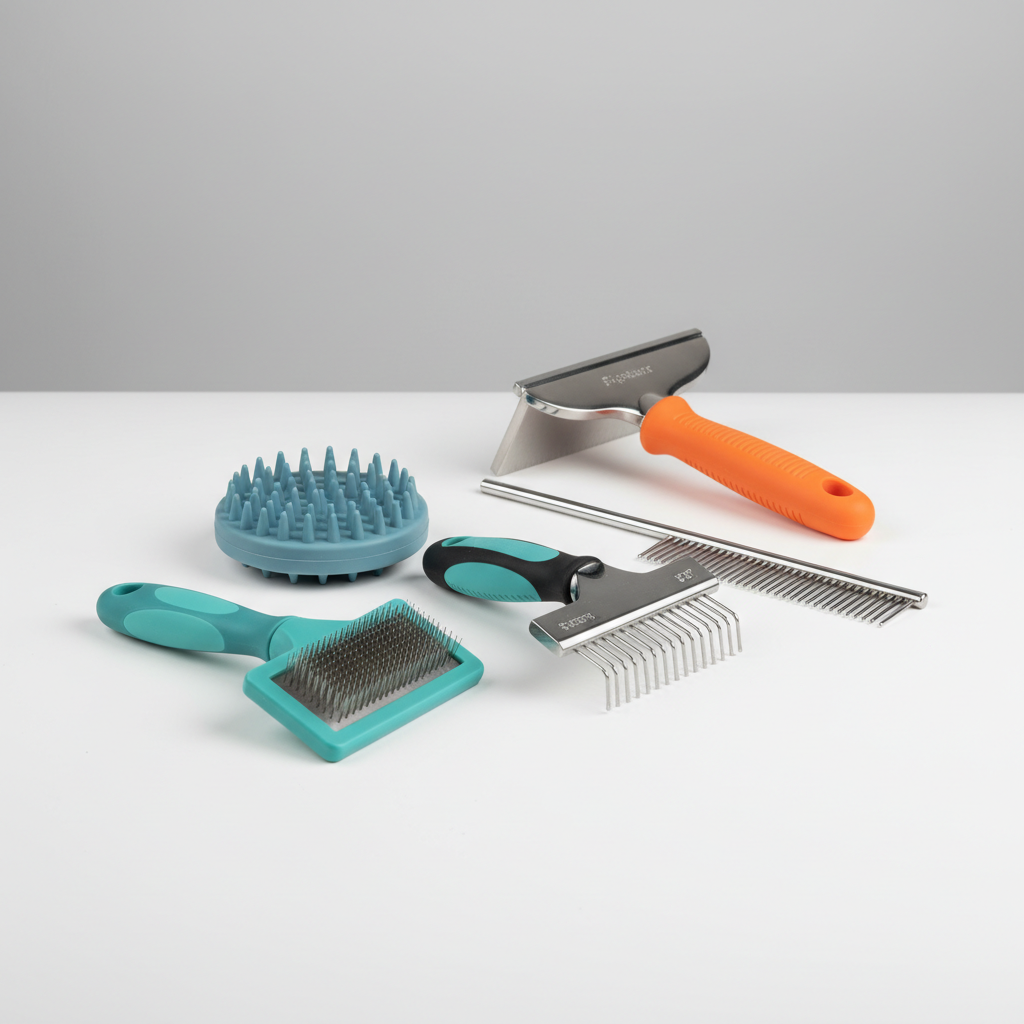
Best brush for shedding dogs depends more on coat type than brand. Mismatching tools is one of the biggest reasons people brush “a lot” and still see hair everywhere.
Pick tools by coat type
- Short coat (Lab, Boxer): rubber curry brush or grooming mitt 2–4x/week, quick passes.
- Double coat (Husky, GSD): undercoat rake + slicker brush, focused sessions during seasonal blow.
- Long coat (Golden, Collie): slicker brush + metal comb to check tangles near friction spots.
- Curly coat (Poodle mixes): slicker + comb for mats; shedding may be less visible but tangles trap loose hair.
Simple grooming schedule to minimize shedding
- Most dogs: 10–15 minutes, 3x/week; daily during heavy seasonal shedding management for pets.
- Long-haired cats: 5–10 minutes, 4–6x/week; more if mats form easily.
- Bathing: every 3–6 weeks for many dogs, but it varies; too frequent bathing can dry skin and backfire.
For cats, a deshedding routine for long-haired cats works best when it’s low-drama: short sessions, consistent timing, and stopping before they get overstimulated. If your cat swats at the brush, try a softer slicker, a grooming glove, or simply fewer strokes more often.
Bathing can help release loose hair, but shampoo choice matters. Use a pet-specific moisturizing shampoo, rinse longer than you think you need, then dry thoroughly. Leftover residue can irritate skin and increase scratching, which increases hair around the house.
Food and supplements: what can help, what’s hype
People ask about foods that help pets shed less because it feels like the “easy lever.” Diet can help, but it’s usually a medium-term fix, not an overnight one.
Look for a complete and balanced diet that fits life stage and health needs, then evaluate coat response over 6–8 weeks. If your pet already eats a high-quality diet, the bigger win might be grooming consistency and allergy control rather than switching foods repeatedly.
Nutrition moves that often support coat health
- Enough protein: hair is protein-heavy, low intake can show up in coat quality.
- Essential fatty acids: omega-3 for dog coat health is commonly discussed because EPA/DHA may support skin barrier and reduce dryness in many cases.
- Hydration: wet food or added water can help some cats with dry skin tendencies, depending on the cat.
According to the American Kennel Club (AKC), omega-3 fatty acids can support skin and coat health for many dogs, but dosing and product choice still matter. If your pet takes other medications, has pancreatitis history, or needs a prescription diet, check with your veterinarian before adding fish oil.
Your home setup: HEPA, laundry strategy, and “fur zones”
Even if you reduce dog shedding at home, you still need a system to catch what’s already floating. This is where a few targeted upgrades beat constant cleaning.

A HEPA vacuum for pet hair control can be worthwhile if anyone in the home has allergies, or if fine dander is the bigger issue than visible hair. HEPA refers to a filter standard designed to capture very small particles, but real-world performance still depends on the vacuum design and maintenance.
Practical home tactics that reduce fur fast
- Vacuum rhythm: high-traffic “fur lanes” 2–3x/week, whole-home weekly.
- Wash pet bedding: weekly or every other week, it’s a major hair reservoir.
- Furniture covers: easy-off throws beat fighting upholstery daily.
- Entryway brush station: quick brush after walks keeps outdoor debris out too.
- Dryer trick: 10 minutes air-fluff (no heat or low heat) with dryer balls can pull hair off washable fabrics before washing.
Seasonal shedding management: a routine that scales up and down
Most people don’t fail because they don’t know what to do, they fail because their routine doesn’t match the season. When shedding spikes, your plan has to flex for a few weeks.
During heavy shedding weeks
- Brush daily for 5–10 minutes, focus on undercoat release rather than “perfect grooming.”
- Use a damp microfiber cloth on the coat after brushing to pick up fine hair.
- Increase bedding/floor cleaning frequency temporarily, then scale back.
During maintenance weeks
- Stick to your grooming schedule to minimize shedding, even if it’s shorter sessions.
- Spot-vacuum, rotate throws, keep tools where you’ll use them.
Common mistakes that make shedding worse (even with “good” effort)
- Overbathing: strips oils, dries skin, increases scratching and flaking.
- Wrong tool pressure: aggressive deshedding tools can irritate skin, especially on thin-coated areas.
- Skipping the comb check: slicker-only grooming can leave tangles near the skin, trapping loose coat.
- Chasing products: switching foods weekly makes it hard to see what actually helps.
- Ignoring parasites: a single flea bite can trigger big itch in sensitive pets, hair loss follows.
If you’re trying to prevent cat hair shedding, one more reality check: cats shed from grooming themselves too. Hairballs, increased licking, and bald patches can point to stress, pain, allergies, or skin disease, so don’t just assume it’s “normal cat stuff.”
At-a-glance plan (tools, routine, and when to call the vet)
| Situation | What to do this week | What to watch |
|---|---|---|
| Normal seasonal shedding | Daily short brushing, undercoat tool for double coats, extra bedding laundry | If it doesn’t ease after a few weeks, reassess skin and diet |
| Dry skin + dandruff | Reduce bathing frequency, add humidifier, consider omega-3 with vet guidance | Redness, odor, scabs suggest infection or allergy |
| Itching and chewing | Check flea prevention, clean bedding, gentle grooming only | Hot spots, hair loss, ear issues warrant exam |
| Clumps/mats in long coat | Short sessions, slicker + comb, consider pro groomer for safe dematting | Mats can hide skin sores, don’t cut close to skin at home |
| Sudden heavy shedding | Document changes, keep routine gentle, book vet if any red flags | Patchy loss, lethargy, appetite change should not wait |
Key takeaways (so you don’t overcomplicate it)
- How to stop pet shedding is really about controlling loose hair with the right tools and consistency.
- Match brush type to coat type, then keep sessions short enough that you’ll repeat them.
- Diet and fatty acids may help coat quality, but give changes time and avoid stacking too many variables.
- Use home systems like HEPA filtration and bedding laundry to reduce what escapes grooming.
- Redness, odor, bald spots, or intense itching are your cue for vet-approved tips for excessive shedding, not more DIY.
Conclusion: make shedding predictable, not perfect
You don’t need a complicated routine to get real progress, you need a repeatable one. Pick the right brush, set a grooming schedule you can keep, and pair it with a cleaning setup that fits your home. If anything about the coat change feels sudden, patchy, or itchy, loop in a veterinarian sooner rather than later, it’s usually the fastest way back to a healthier coat.
If you want an easy start today, do one 10-minute brush session, wash the pet bed, and note what you see on the skin. That single reset makes the next week feel a lot less messy.