
Dog raincoat waterproof small is the phrase many people type after one frustrating walk, your dog gets soaked anyway, the coat twists, and you end up carrying a shivering pup home.
This topic matters more than it sounds, because “small dog” covers a huge range of bodies, from long-backed dachshunds to barrel-chested Frenchies, and rain gear that fits one can fail hard on another.
In this guide, I’ll break down what actually makes a raincoat waterproof and reflective, how to tell if you need full coverage or just a shell, and how to pick a size without guessing.
What “Waterproof” and “Reflective” really mean in a small dog raincoat
Marketing words get thrown around, so it helps to translate them into features you can spot quickly.
- Waterproof vs. water-resistant: waterproof usually means a coated or laminated fabric plus seams that don’t leak easily; water-resistant often wets out after a few minutes of steady rain.
- Seam construction: taped or sealed seams reduce leak points, stitched-only seams commonly let water through in heavier rain.
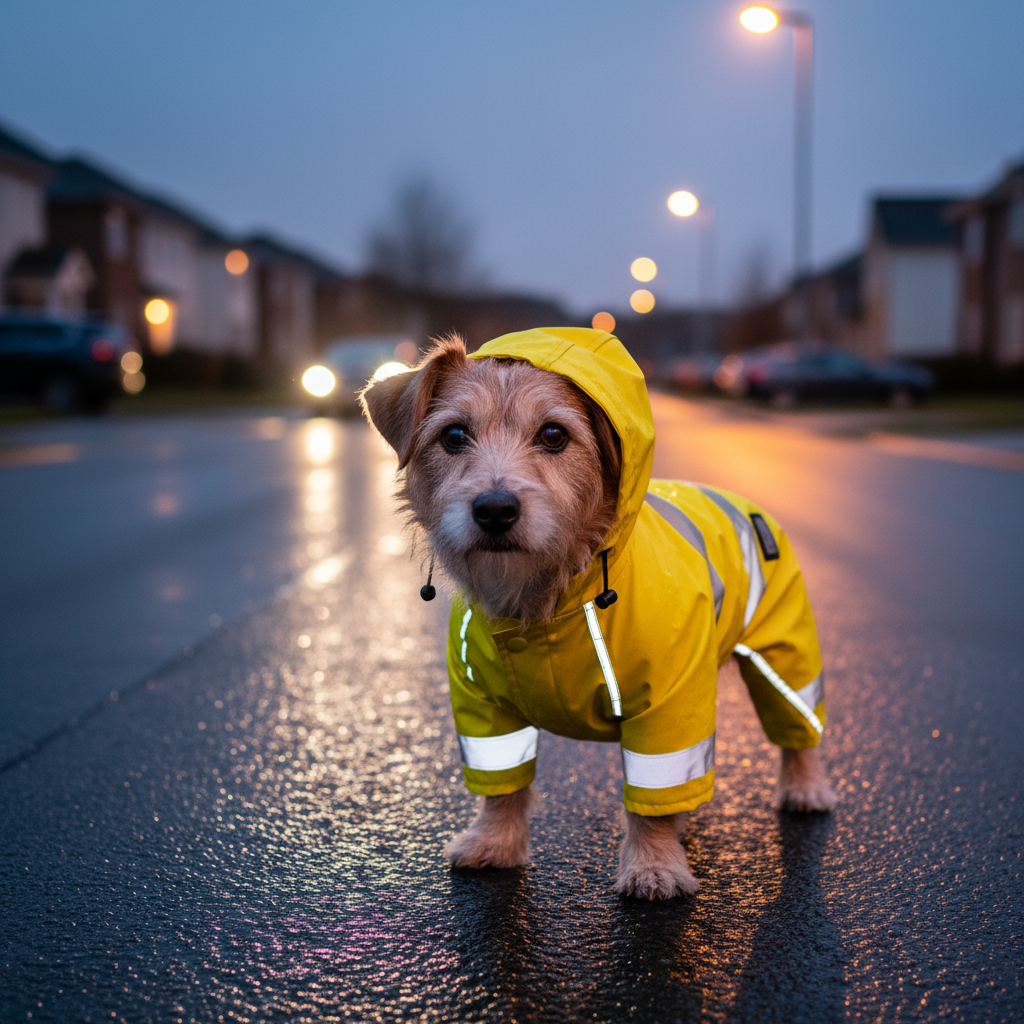
- Reflective vs. “high-vis”: reflective piping/printing bounces light back to headlights; bright colors help in daylight but don’t replace true reflective elements at night.
- Coverage zones: for small dogs close to the ground, belly and chest coverage often matters as much as the back panel.
According to the American Kennel Club (AKC), visibility and comfort are practical priorities when choosing outdoor gear, especially in low-light conditions where reflective details can make a real difference.
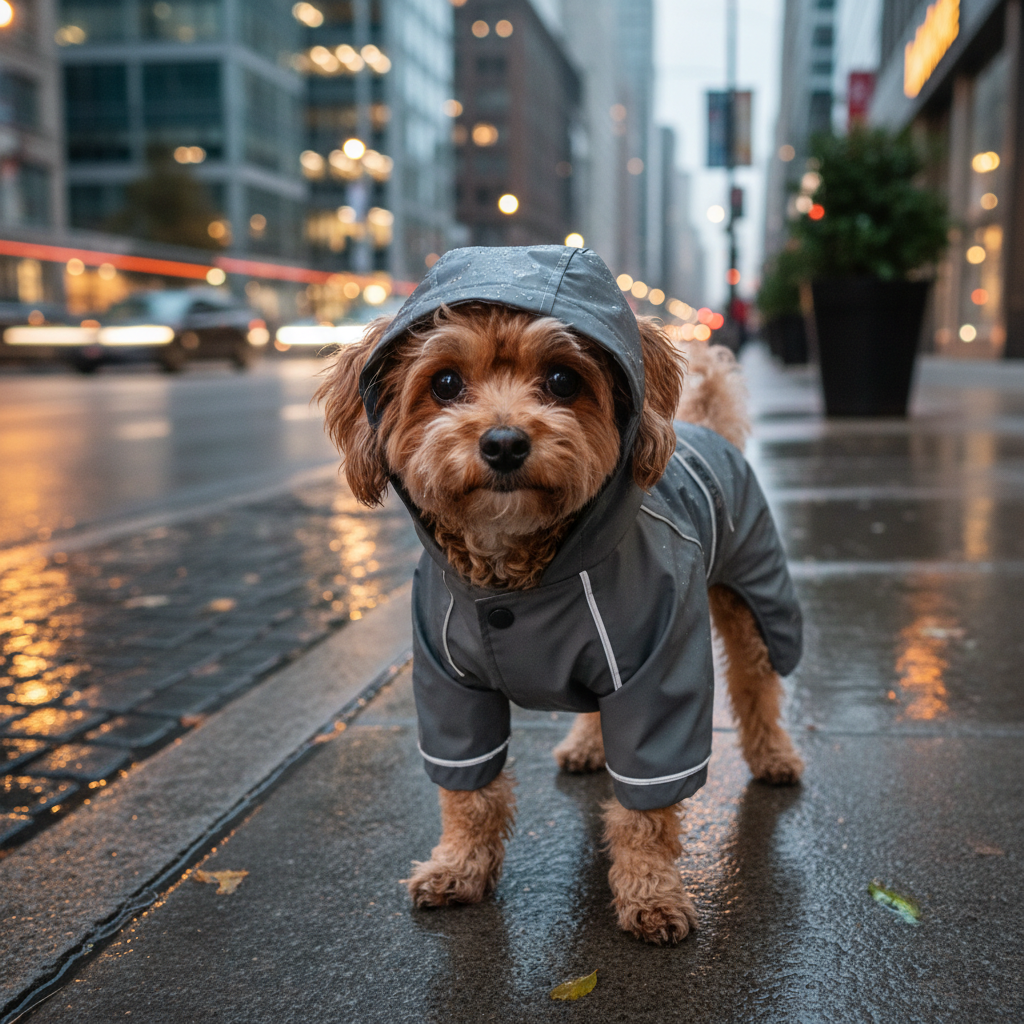
Why small dog raincoats fail: the common fit and design problems
Most “it looked perfect online” returns happen for predictable reasons, and you can often avoid them by knowing what to check.
- Neck opening too wide: water runs down the shoulders, and the coat slides backward.
- Chest panel too narrow: common for broad-chested small breeds; the front gaps, then the belly gets soaked.
- Back length mismatch: too long hits the tail base and buckles, too short leaves the lower back exposed.
- Leg mobility issues: armholes cut too tight can rub behind the front legs, many dogs start “bunny hopping” or refusing to move.
- Straps that drift: belly straps placed too far back can migrate toward the waist and twist.
- Hood drama: hoods often flop over eyes or trap water around ears, unless they’re well-shaped and adjustable.
Also, small dogs cool down faster when wet, but overheating can happen too if the lining is heavy and the rain stops. That’s why breathable shells usually make more sense than thick insulation for most rainy-day walks.
Quick self-check: what kind of raincoat does your small dog actually need?
Before shopping, answer these in 60 seconds. Your “yes” answers point you to the right style.
- Your dog’s belly gets soaked from puddle splash or wet grass: look for belly coverage and a higher chest panel.
- You walk near traffic or at dawn/dusk: prioritize reflective panels plus a lighter coat color.
- Your dog hates things over the head: choose a step-in or belly-closure style rather than pull-over designs.
- Your dog wears a harness: you’ll want a harness opening (zipper or flap) in the right spot, not just a collar hole.
- Frequent steady rain where you live: favor taped seams and a stiffer outer fabric that doesn’t “wet out” fast.
If you’re shopping specifically for a dog raincoat waterproof small, this checklist keeps you from paying for features that don’t solve your actual problem.
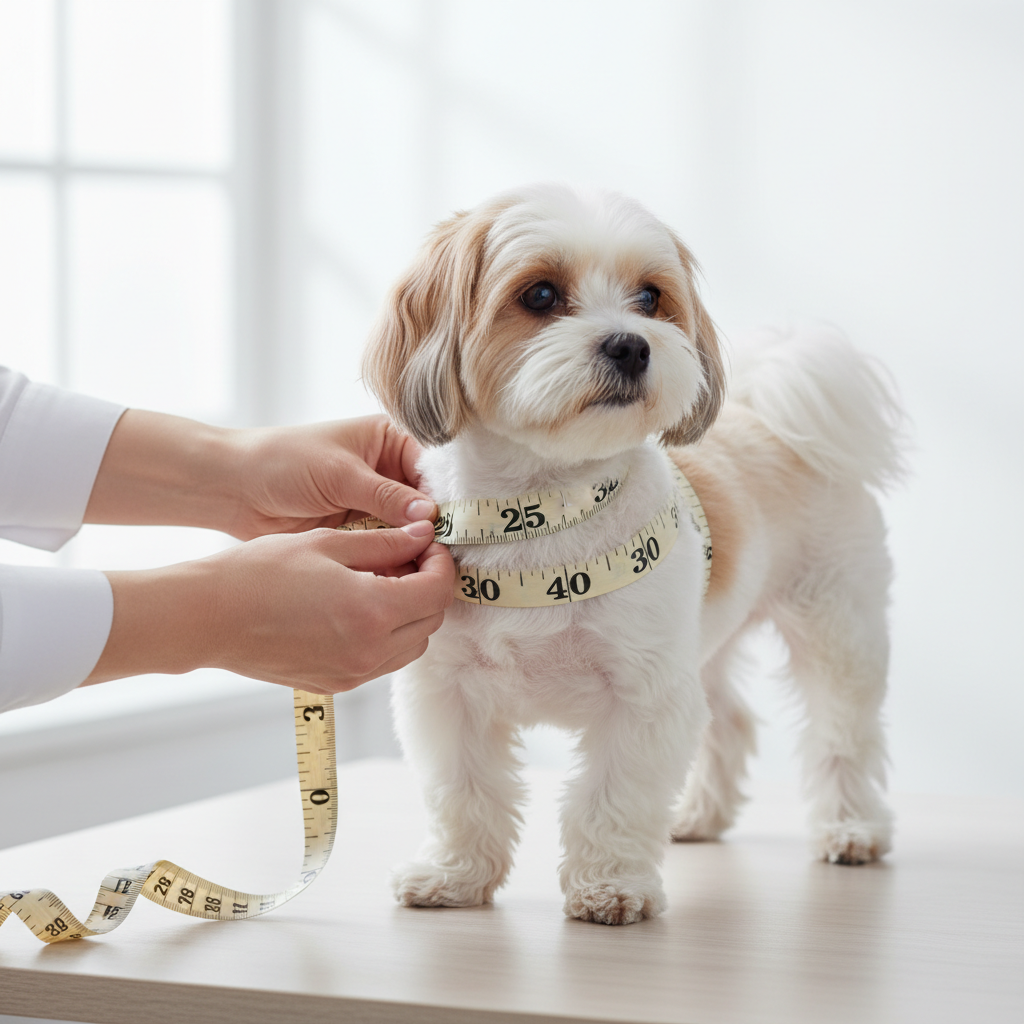
How to measure and choose size (without guessing)
Size charts vary by brand, so don’t rely on “Small/Medium” alone. Use three measurements and then choose based on the coat’s pattern.
The 3 measurements that matter
- Chest girth: the widest part behind the front legs, this is usually the deciding number.
- Back length: from the base of the neck to the tail base, measured along the spine.
- Neck circumference: where a collar sits, especially important if the coat has a structured collar.
Fit rules I’d actually follow
- If chest and back length point to different sizes, most people get better results sizing to chest first and adjusting length via toggles or hems.
- For long-backed breeds (like dachshunds), look for “long” cuts or extended back panels, otherwise you’ll fight coverage forever.
- For fluffy small dogs, allow a little extra room to avoid compressing the coat and trapping damp fur.
When you’re between sizes, check closure type: wide Velcro zones can save a borderline fit; fixed buckles are less forgiving.
Feature comparison table: what to look for by walking scenario
Different rain patterns and neighborhoods call for different priorities. Here’s a practical way to decide without overthinking it.
| Scenario | Best raincoat features | Watch-outs |
|---|---|---|
| Light drizzle, quick potty breaks | Lightweight shell, easy on/off, modest coverage | Water-resistant fabric may still soak through if drizzle turns steady |
| Steady rain on sidewalks | Waterproof fabric, taped seams, belly panel, adjustable neck | Coats that “wet out” feel clammy and can chill small dogs |
| Wet grass, parks, muddy paths | Extended chest/belly coverage, higher hem, easy-to-clean surface | Low belly straps can drag in mud and loosen |
| Dawn/dusk, near traffic | Reflective piping/panels, brighter color, harness access | Small reflective logos alone can be underwhelming in real headlights |
| Windy rain | Snug neck closure, contoured fit, longer back coverage | Loose coats flap and shift, then water sneaks in at shoulders |
Practical steps: getting a small waterproof reflective raincoat to work on real walks
Even a good coat can fail if the setup is off. These steps are simple, but they fix most day-to-day annoyances.
1) Do a two-minute indoor fit test
- Put the coat on and check that two fingers fit at the neck and chest without gapping.
- Have your dog take 10–15 steps, then watch for rubbing behind elbows.
- Confirm the belly strap sits behind the front legs, not mid-belly.
2) Pair it with the right leash setup
- If you use a harness, make sure the harness opening aligns; if it’s off by even an inch, the coat will ride back.
- If there’s no harness port, consider wearing the harness over the coat only if it doesn’t crush reflective areas and doesn’t cause slipping.
3) After-walk routine that prevents “wet dog smell”
- Shake off water outside, then remove the coat promptly indoors.
- Towel the chest and belly first, that’s where small dogs hold moisture.
- Hang dry fully; folded damp raincoats often develop odor fast.
According to the AVMA (American Veterinary Medical Association), maintaining comfort and minimizing exposure to harsh weather supports overall pet well-being; if your dog seems unusually stressed by cold or wet conditions, it may be worth discussing with a veterinarian.
Common mistakes (and what to do instead)
A lot of people blame the dog for “not liking it,” but many times the coat is just uncomfortable or impractical.
- Mistake: choosing by weight only. Two 10-lb dogs can have totally different chest sizes. Use chest girth as your anchor.
- Mistake: buying a hooded coat for ear comfort. Many dogs dislike hoods. A higher collar with an adjustable cinch often works better.
- Mistake: ignoring belly coverage. With small breeds, splash-back is real; a back-only cape looks cute but may not keep them dry.
- Mistake: assuming reflective trim replaces lighting. Reflective helps, but a light-up leash or clip-on light can still be useful in darker areas.
- Mistake: leaving the coat on too long indoors. Trapped moisture can irritate skin for some dogs; if you notice redness or itching, consider asking a groomer or veterinarian.
If your goal is a dog raincoat waterproof small that you’ll actually use, comfort and speed win over “extra features” nine times out of ten.
Conclusion: a better way to buy your next small dog raincoat
Pick the coat the way you pick shoes, start with fit, then choose waterproof construction that matches your typical rain, then add reflective details for the times you’re outside when drivers won’t expect a tiny dog.
Key takeaways: measure chest first, favor taped seams for steady rain, and don’t underestimate belly coverage for low-to-the-ground pups.
If you want one next step, grab a measuring tape and write down chest, back length, and neck, then compare those numbers to the size chart before you fall for the photos.
FAQ
What’s the difference between waterproof and water-resistant for a small dog raincoat?
Waterproof raincoats usually use coated or laminated fabric and better seam construction, so they hold up longer in steady rain. Water-resistant styles can be fine for short outings, but many will soak through over time.
How do I know if reflective details are “enough”?
Look for reflective piping or larger reflective panels that wrap around the body, not just a tiny logo. In real use, reflective works best when it’s visible from multiple angles as your dog moves.
My dog is between sizes. Should I size up or down?
Most people do better sizing to chest girth, then using adjusters to fine-tune neck and waist. If sizing down creates tight armholes, that’s a fast path to rubbing, so lean up when mobility looks restricted.
Do small dogs need belly coverage on a raincoat?
Often, yes. Small dogs sit closer to puddles and wet grass, so the underside gets hit by splash and brush contact; belly panels can reduce drying time after walks.
Can my dog wear a harness under a raincoat?
Sometimes, but it depends on bulk and coat fit. If the harness lifts the coat or creates pressure points, you may get twisting and leaks; a coat with a harness opening is usually simpler.
How should I wash a waterproof reflective dog raincoat?
Follow the care label, because coatings vary. Many waterproof fabrics do better with gentle washing and air drying; harsh heat can reduce performance and damage reflective prints.
My dog hates raincoats. Any way to help?
Start with short indoor sessions and reward calm behavior, then do a quick outdoor test. If the coat is noisy, tight at the shoulders, or rubs behind legs, swapping the style often works better than more “training.”
If you’re trying to choose a dog raincoat waterproof small without buying three sizes and returning two, a simple fit-first checklist and the right feature set for your walks usually gets you there faster, and with fewer soggy surprises.