
how to stop puppy from biting hands is mostly about teaching a clear rule, every single time: hands are boring, toys are for biting.
If you live with a puppy, you already know the “landshark” phase can feel personal, especially when kids, guests, or thin skin are involved. The good news is that most puppy hand-biting is normal development, not aggression, but it still needs a plan so it doesn’t become a habit.
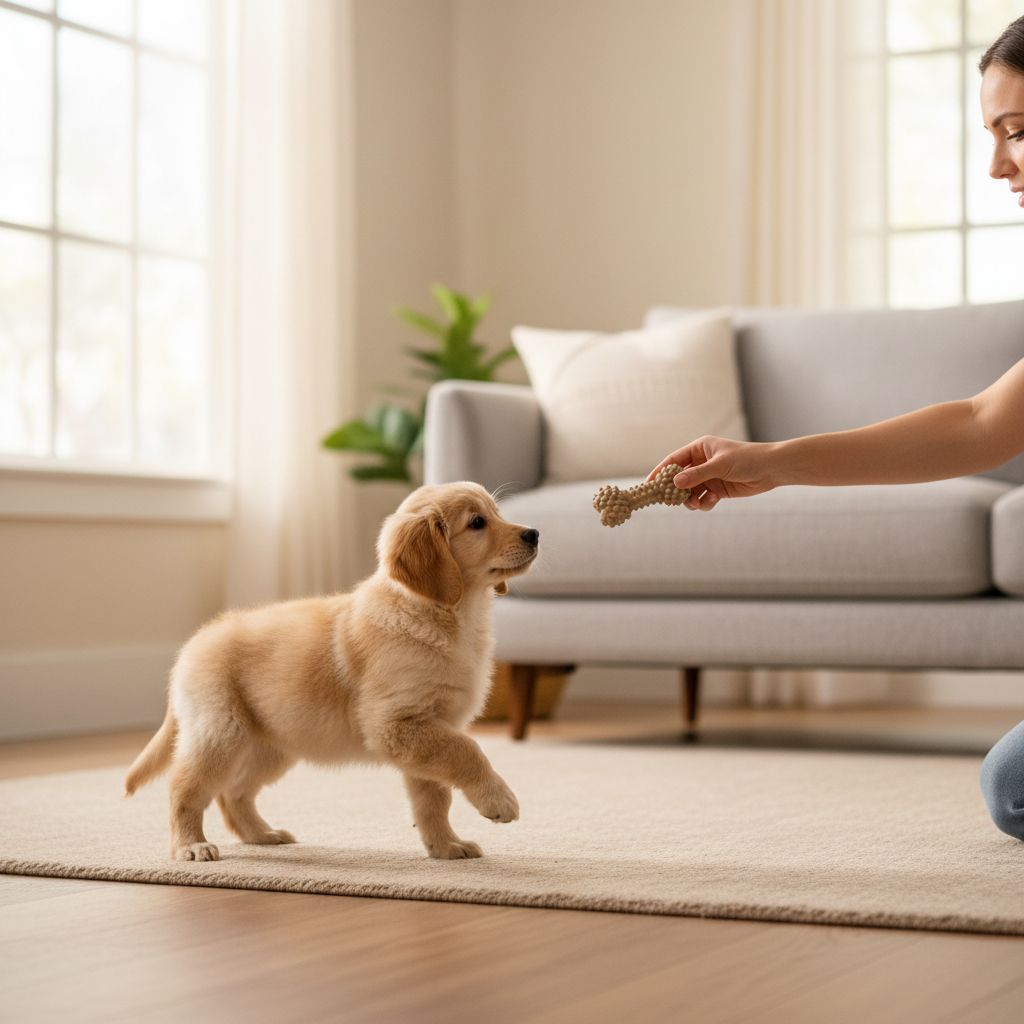
This article walks through what usually drives the biting, a quick self-check to figure out your puppy’s main trigger, and practical steps you can start today. No “dominate your dog” stuff, just clean, repeatable training.
Why puppies bite hands (and why it feels nonstop)
Most puppies bite because biting works for them, it starts play, it gets attention, it relieves mouth discomfort, and it’s how they explore.
- Teething and mouth exploration: Puppies use their mouths like hands. Sore gums can make them seek pressure, especially around 12–24 weeks, though timing varies.
- Overstimulation: When a puppy gets wound up, bite inhibition drops, nipping becomes faster and harder.
- Accidental reinforcement: Pulling your hand away quickly, squealing, or “wrestling back” can look like a game.
- Under-slept, over-tired pups: Many puppies act bitey when they actually need a nap, not more play.
- Breed and individual style: Herding breeds may grab at moving hands and sleeves, retrievers may mouth more, but any puppy can bite.
According to the American Veterinary Society of Animal Behavior (AVSAB), reward-based training and early socialization help prevent behavior problems and support safer learning, which is exactly the mindset you want for nipping.
Quick self-check: what kind of hand biting is this?
Before you pick a fix, identify the pattern. The same tactic doesn’t work equally well for teething versus overstimulation.
- Mostly during play: Likely excitement and poor bite inhibition.
- Mostly when you move fast: Chasing/grabbing behavior, often seen with herding tendencies.
- Mostly in the evening: “Witching hour” overtiredness, needs more structured rest.
- Mostly when you pet or pick up: Could be handling sensitivity, pain, or fear, go slower and consider a vet check if sudden.
- Mostly when food/toys are involved: Could be arousal or early guarding, manage carefully and get help early if it escalates.
Key point: If biting intensity is increasing, or the puppy freezes, growls, guards, or seems panicked, treat it differently than normal play nipping.
The core training plan: stop the fun, switch to a toy, reward calm
To how to stop puppy from biting hands in real life, you need one clear routine your whole household follows. Consistency beats intensity.
1) Set up “hands = boring”
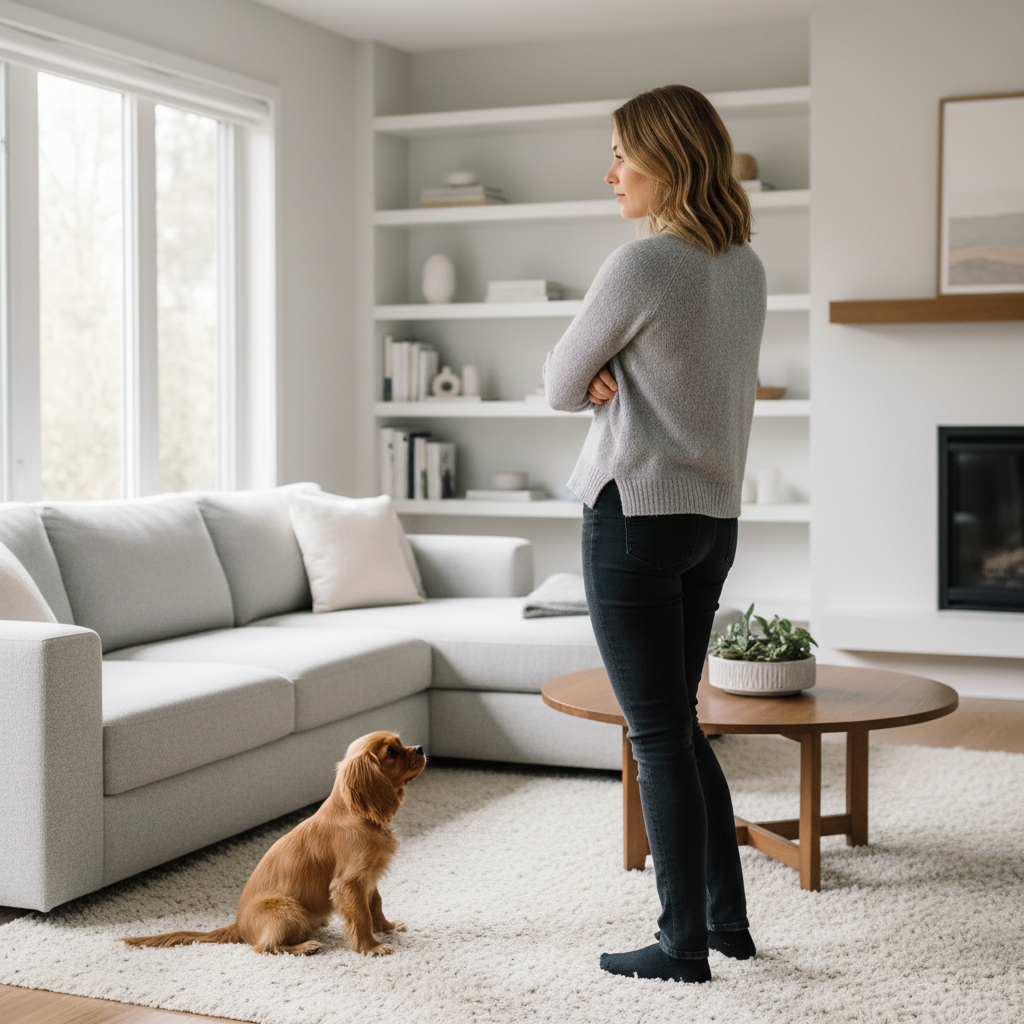
- When teeth touch skin, pause instantly. Don’t yank, don’t push the puppy away, don’t scold.
- Keep your hands still, then calmly stand up or turn away for 3–10 seconds.
- Return and continue only if the puppy is calmer.
This is not punishment, it’s information: biting ends access to you.
2) Redirect to an appropriate chew every time
- Keep a toy within reach in every “bite zone” (couch, kitchen, hallway).
- Place the toy right at the puppy’s mouth level, then praise when they take it.
- Use calm reinforcement like “yes” and a treat for choosing the toy, especially in the first week.
Redirection works best when you do it early, before the puppy gets frantic.
3) Teach a simple cue: “Get your toy”
This turns chaos into a habit. Toss the toy a foot away, say “get your toy,” and reward when they grab it. Practice when the puppy is already calm, then use it during real moments.
A practical cheat sheet: what to do in the moment
When you’re bleeding a little and annoyed, you don’t need theory, you need a script.
| Situation | What you do | What you avoid |
|---|---|---|
| Puppy nips during play | Freeze, end play 5–10 seconds, restart with toy | Wrestling, hand games, fast tug with bare hands |
| Puppy chases hands/feet | Stop moving, cue “get your toy,” reward toy grab | Running away, flapping sleeves, squealing |
| Puppy bites harder as play continues | Shorten sessions, add breaks, do a calm settle | “One more minute” when arousal is rising |
| Evening bite attacks | Enforced nap, calmer chew, low-stimulation routine | More rough play, long fetch indoors |
| Biting when picked up or petted | Handle slower, pair touch with treats, consider vet input | Forcing contact, pinning, “alpha” techniques |
Set your puppy up to succeed: environment fixes that matter
This is the part people skip, then they wonder why training “doesn’t work.” Many puppies bite hands because the day has no structure.
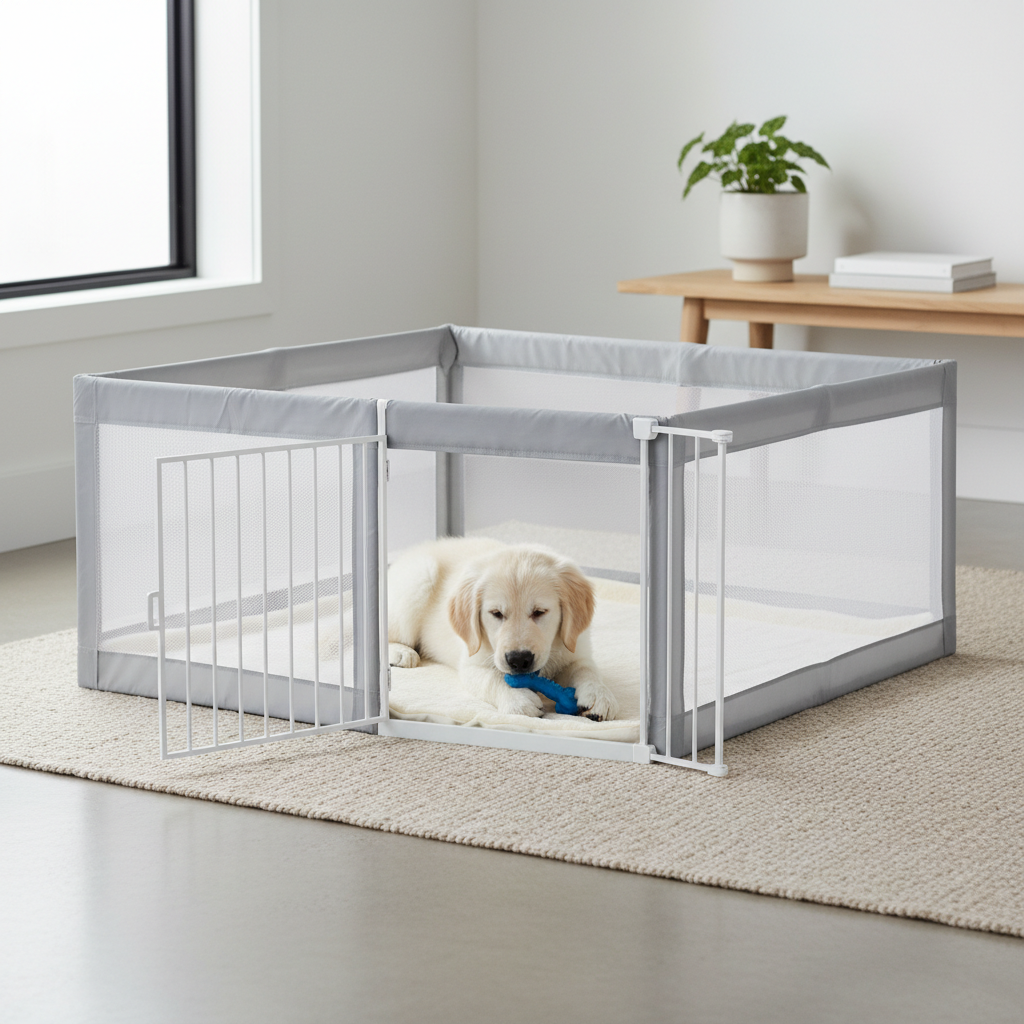
- More sleep than you think: Puppies often need lots of rest; if your pup becomes bitey at predictable times, try a quiet crate or pen nap.
- Chew rotation: Offer 2–4 safe chew options, rotate daily so they stay interesting. If you’re unsure what’s safe for your puppy’s size and chewing style, ask your vet.
- Use barriers: Baby gates and pens let you step away without turning it into a chase game.
- Keep hands out of the “toy zone”: Avoid hand-feeding games that encourage grabbing, at least until bite control improves.
According to the American Kennel Club (AKC), teaching bite inhibition and providing appropriate chew outlets are standard parts of early puppy training, and they tend to work best when the puppy’s daily needs are met.
Build bite inhibition without making it dramatic
Bite inhibition means the puppy learns to keep their mouth soft. You’re not just stopping the behavior, you’re shaping control.
- Reward gentle mouth: If your puppy licks or mouths softly, praise and keep interacting.
- End interaction for “too hard”: Hard pressure means the fun stops briefly, then you give a chance to succeed again.
- Practice calm games: Tug is fine when done right, use rules like “take it” and “drop,” and stop the game if teeth hit skin.
If your puppy gets more frantic when you say “ouch,” skip it. Some pups treat yelping as a squeaky toy sound.
Common mistakes that keep the biting going
A few habits can undo weeks of progress, even if your training “sessions” look good.
- Letting it slide sometimes: Intermittent reinforcement is powerful, it teaches the puppy to keep trying.
- Using hands as toys: Wrestling, tickling, pushing the muzzle away repeatedly, it all teaches hands are part of play.
- Too much freedom too soon: If the puppy can rehearse biting for hours, you’ll be training uphill.
- Harsh corrections: Hitting the nose, scruff shakes, pinning, these can increase fear and can create new problems around handling.
According to the ASPCA, punishment-based methods can risk fear and aggression in some dogs, so it’s generally safer to prioritize reward-based strategies and management.
When to get professional help (and when to call a vet)
Most puppy nipping improves with time plus consistent training, but some situations deserve faster support.
- Contact a certified trainer or behavior professional if: biting is intense and frequent past the early months, your puppy guards items, bites break skin often, or you have kids in the home and feel unsure managing safely.
- Talk to a veterinarian if: biting appears suddenly, your puppy seems painful when touched, you notice limping, ear discomfort, GI upset, or a big change in mood. Pain can change behavior.
In the U.S., many owners look for credentials like CPDT-KA (trainer) or DACVB (veterinary behaviorist). If you’re not sure where to start, your vet often can refer you.
Practical daily routine (10 minutes here, 10 minutes there)
If you want how to stop puppy from biting hands to actually stick, build a day that reduces “random biting opportunities” and increases rehearsals of good choices.
- Morning: potty, short sniff walk, 3-minute “get your toy” practice, breakfast in a puzzle feeder
- Midday: short training (sit, touch, drop), then chew in pen, then nap
- Evening: low-stimulation play, calm tug rules, then an enforced nap before the witching hour hits
- Anytime teeth touch skin: pause, end interaction briefly, redirect to toy, reward calm
Key takeaways: keep toys within reach, stop play the instant teeth touch skin, reward the puppy for choosing appropriate chews, and protect sleep so your puppy can learn instead of spiral.
Conclusion: what usually works fastest
Most owners see improvement when they stop “negotiating” with the biting and run the same simple pattern every time: boring hands, fun toys, and short time-outs from attention. Add more rest and better chew options, and the change often becomes noticeable within a couple of weeks, though every puppy timeline differs.
If you pick just two actions today, make it these: keep a toy in reach in every room, and end play immediately when teeth touch skin, then re-engage only when your puppy mouths the toy.
FAQ
- How long does it take to stop a puppy from biting hands?
Many puppies improve in weeks if everyone responds consistently, but teething phases and excitement spikes can cause setbacks. Look for a gradual trend toward softer mouths and fewer incidents. - Should I hold my puppy’s mouth closed when they bite?
Usually no. It can increase frustration or fear and doesn’t teach what to do instead. A brief pause, then redirecting to a chew, tends to be clearer and safer. - Does yelping “ouch” actually help?
Sometimes, but plenty of puppies get more excited. If your puppy escalates when you yelp, switch to silent freezing and ending play for a few seconds. - What toys work best for puppies who bite hands a lot?
Many owners do well with a mix: a tug toy with distance from your fingers, a rubber chew, and a stuffable food toy. Match hardness to your puppy’s chewing intensity and ask a vet if you’re unsure. - My puppy bites when I pet them, is that normal?
It can be overstimulation or a puppy trying to initiate play, but it can also signal discomfort. Go slower, reward calm touch, and consider a vet check if it starts suddenly or seems pain-related. - How do I stop my puppy from biting kids’ hands?
Management matters most: keep toys everywhere, supervise closely, and teach kids to “be a tree” (hands tucked, stand still) when nipped. If safety feels tricky, get a trainer involved early. - Is puppy biting a sign of aggression?
Most puppy nipping is normal play and teething, not aggression. Red flags are stiff posture, guarding, repeated hard bites without the “bouncy” play vibe, or fear signals, a professional can help you sort that out.
If you’re dealing with constant nipping and you’d rather not guess, a short session with a qualified reward-based trainer can help you spot your puppy’s trigger, tune your timing, and build a simple house plan everyone can follow.